| Parameter | DC Isolator Box IP65 Enclosure Three Strings with Fuse | Traditional Solution |
|---|---|---|
| Rated Voltage | Customizable | Standard |
| Protection Level | High | Medium |
| Installation | Easy | Complex |
This guide covers the key aspects of DC Isolator Box IP65 Enclosure Three Strings with Fuse, including its features, selection criteria, applications, and industry best practices.
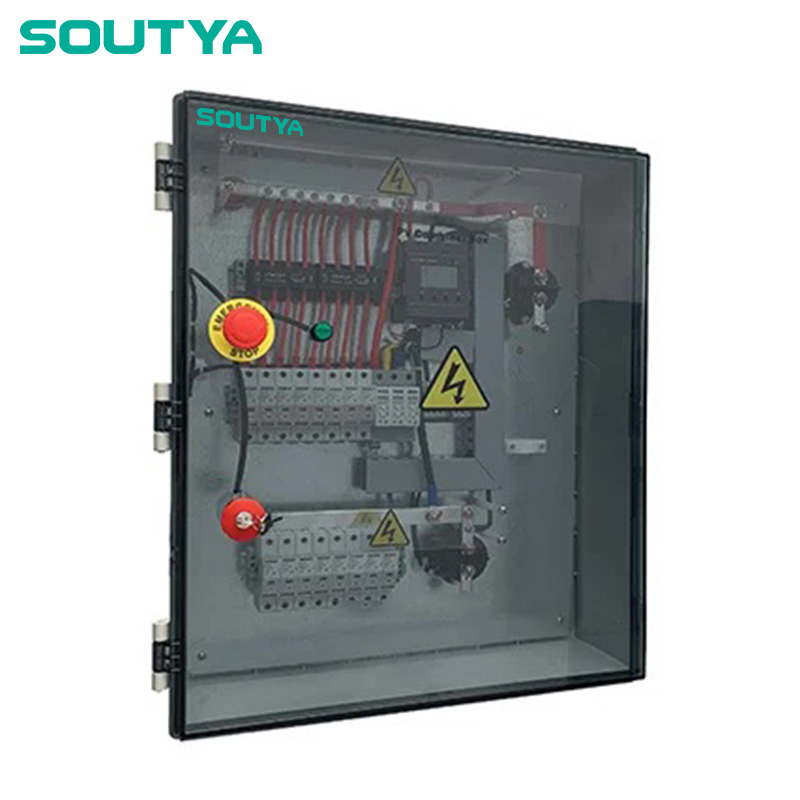
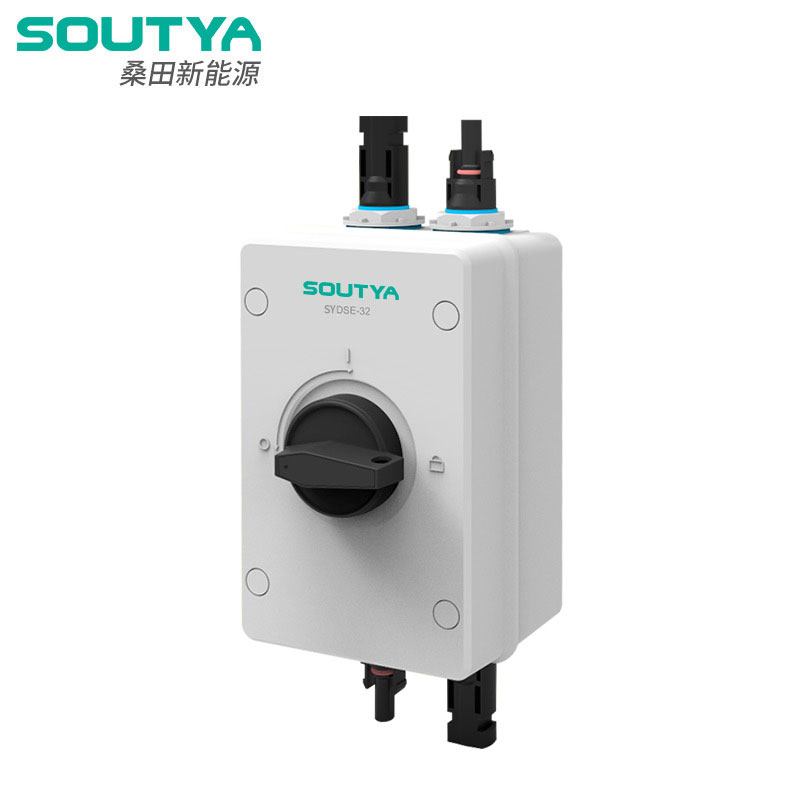
A DC isolator box is a housing that contains a DC-rated isolator switch and overcurrent protection devices. The model with an IP65 enclosure, three strings, and built-in fuses is a combiner box tailored for small to medium PV installations. It combines three incoming string circuits into one output, each string protected by a fuse. The isolator switch allows manual disconnection of the DC side for maintenance or emergency shutdown. The IP65 rating means the enclosure is dust-tight and protected against low-pressure water jets, making it suitable for outdoor mounting.
Photovoltaic systems generate DC power that must be combined from multiple strings before reaching the inverter. Without a combiner box, installers would need separate fuses and disconnects for each string, leading to messy wiring and higher labor costs. A purpose-built combiner box centralizes protection and switching in one enclosure. The three-string configuration is common for residential and small commercial arrays. The IP65 enclosure protects against rain, dust, and UV exposure, extending system life. According to IEC 62548:2016, PV arrays must have overcurrent protection and isolation means; this product meets those requirements for three-string systems.
Key standard reference: IEC 62548:2016 – Photovoltaic (PV) arrays – Design requirements. This standard specifies the need for overcurrent protection and isolation in PV arrays.
Each incoming string from the solar panels connects to a dedicated fuse. The fuse is sized according to the maximum series fuse rating of the PV module and the string short-circuit current. In the event of a reverse current or fault, the fuse blows and disconnects that string. This prevents damage to modules and reduces fire risk. The fuse holder is integrated into the isolator box, and the fuses are of the photovoltaic-specific type (gPV class) that can handle DC arcing. The isolator switch is placed downstream of the fuses to isolate the combined output. Studies on low-voltage DC switch contacts, such as the paper "Aging Characteristics of Contact Electrodes of Low Voltage DC Switches" (Energies, 2021), highlight the importance of robust contact materials—relevant to the reliability of the isolator switch inside the box.
IP65 enclosures are designed for outdoor use. They protect against dust ingress (6) and water jets from any direction (5). Typical installations include rooftop solar arrays, ground-mounted systems, and carport canopies. The enclosure also provides UV resistance and corrosion protection. For coastal or industrial areas, additional gasket sealing and stainless steel hardware may be specified. The three-string format is compact enough for limited mounting space. Engineers should confirm that the box's operating temperature range matches the local climate. Standard operating ranges are -25°C to +55°C.
Before selecting a DC isolator box IP65 enclosure three strings with fuse, verify the following parameters:
For detailed specifications, refer to the product page on Soutyaele.
Q: Can this box be used for a single-string system?
A: Yes, but only one string will be used. The other two inputs remain unused. It is more economical to choose a single-string combiner box if future expansion is not planned.
Q: What is the difference between an isolator switch and a circuit breaker in this box?
A: The isolator switch is a manual disconnect for maintenance, while the fuses provide overcurrent protection. Some combiner boxes use DC circuit breakers instead of fuses for resettable protection. This model uses fuses for simplicity and lower cost.
Q: Is the IP65 enclosure fully waterproof?
A: IP65 protects against low-pressure water jets but not full submersion. For continuous immersion, an IP68 enclosure would be required. IP65 is standard for outdoor PV combiner boxes.
Q: How do I replace a blown fuse?
A: First, isolate the box by switching off the DC isolator. Then open the enclosure ( with a tool-removable cover). Locate the blown fuse, replace with the same rating and type (e.g., 10A 1000VDC gPV fuse). Ensure no live parts are exposed.

For a reliable and compliant solution, evaluate the DC isolator box IP65 enclosure three strings with fuse from Soutyaele. It meets IEC standards and is built for outdoor durability. View product details and request a quotation for your next project.

Jack
Soutya