Midwest Flexible Packaging is a mid-sized manufacturer based in Ohio, employing 320 people. The company produces multilayer films and pouches for the food and medical industries. Its facility operates 12 high-speed extrusion lines, 8 printing presses, and dozens of auxiliary motors and drives. The plant runs 24/7, with only two scheduled maintenance windows per year.
The company had been under pressure to improve on-time delivery performance. Customers were demanding tighter lead times, and any unexpected line stoppage impacted revenue. In the year before the project, unscheduled downtime averaged 84 hours, 2% of annual production capacity.
The root cause of most unplanned stops was electrical surges. The plant sits at the end of a rural distribution feeder, and voltage spikes from lightning and utility switching were common. Inside the facility, frequent starts of large motors on compressors and chillers also generated switching transients that traveled through the power network.
These surges did not always trip breakers immediately. Instead, they gradually degraded sensitive components. Over a 12-month period, the plant replaced seven PLC power supplies, four variable frequency drives, and more than a dozen HMI touch panels. Each failure meant a production halt lasting 2 to 6 hours while technicians diagnosed the fault and installed a replacement. Total direct repair costs reached $38,000, with an additional $120,000 in lost production margin.
The engineering team first tried installing cheap surge-protection outlets at individual workstations. That approach protected only equipment plugged into those outlets. Hardwired machines, such as extrusion drives and print registration sensors, remained exposed. An attempt to use whole-building lightning protection systems did not address the internal switching transients, which did not come from outside the building.
The plant's electrical engineering manager evaluated three options: a motor-generator isolation system, a building-wide uninterruptible power supply, and a coordinated surge protective device solution. The first two were priced at $80,000 and $150,000 respectively, with long lead times and high ongoing maintenance costs.
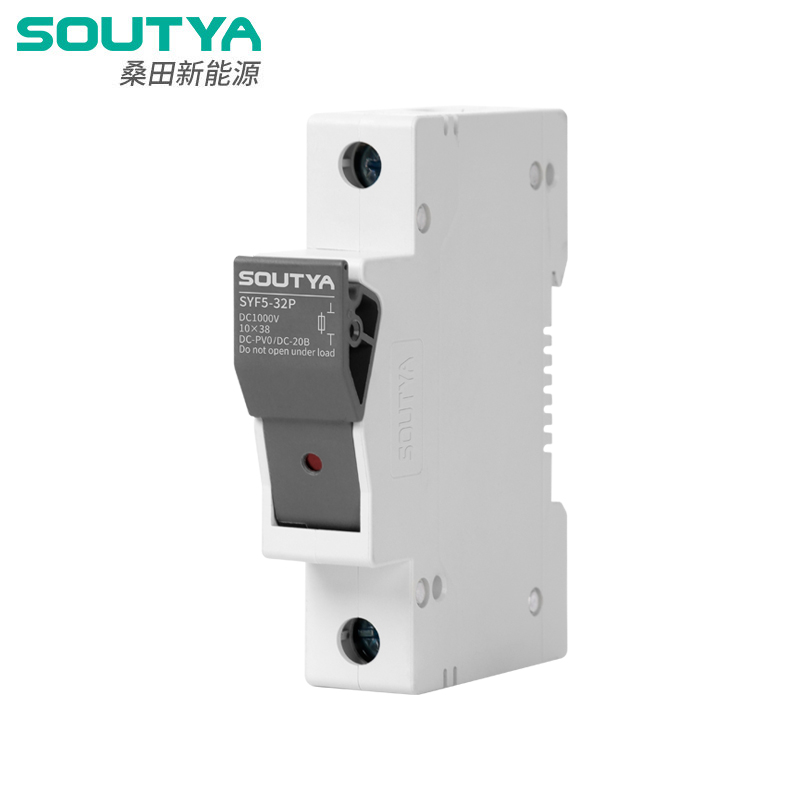
The Soutya AC 230V surge protective device, in contrast, offered Type 2 protection as defined by IEC 61643-11, and it complied with UL 1449. The unit's voltage protection rating was low enough to safeguard the PLC and drive inputs, and it featured a thermal disconnect that prevented irreparable damage after a severe surge. The total cost for six units, covering the main switchboard and five sub-panels, was $2,400 including breakers and mounting hardware. The engineering team also appreciated the visual status indicator, which made field inspection simple.
The project took two weeks from design to commissioning. A licensed electrical contractor, working with the plant's maintenance team, completed the installation in three days.
One challenge arose during the install: the main switchboard had limited interior space. The contractor resolved this by using a surface-mount enclosure adjacent to the panel, keeping conductor length under 10 inches while still meeting the manufacturer's recommendations.
Over the following 12 months, the plant tracked a 41% reduction in unscheduled downtime. Equipment-related surge failures dropped from 23 incidents to 9. The total cost of repairs, including parts and contractor labor, fell from $38,000 to $16,000.
Production output increased by 3.2% because lines ran longer without interruption. The packaging plant achieved an on-time delivery rate of 98.5%, up from 94.1% the previous year. The plant manager also reported that the six Soutya devices paid for themselves within 3 months, based on avoided repair and downtime costs alone.
The surge protection devices were not maintenance-free. In January, one unit near a large air compressor showed a blown thermal fuse after a series of internal voltage swells. The replacement cost was $180, and downtime for that swap was only 20 minutes — a minor event compared to the hours lost before.
“We were skeptical that a $450 surge protector could solve a problem that our old UPS equipment couldn't. After a year of data, the numbers speak for themselves. The Soutya devices have been the most reliable part of our electrical system,” said the engineering manager, who oversaw the project.
Three takeaways can help other plants with similar issues:
If the project were repeated, the engineering team would install monitoring devices that log surge events to a central system. That would give even clearer data on surge frequency and severity, helping to justify additional protection down the road.
IEC 61643-11:2011. Low-voltage surge protective devices — Part 11: SPDs connected to low-voltage power systems. https://webstore.iec.ch/publication/61643-11
UL 1449. Standard for Surge Protective Devices. https://www.shopulstandards.com/ProductDetail.aspx?productId=UL1449


Jack
Soutya