News

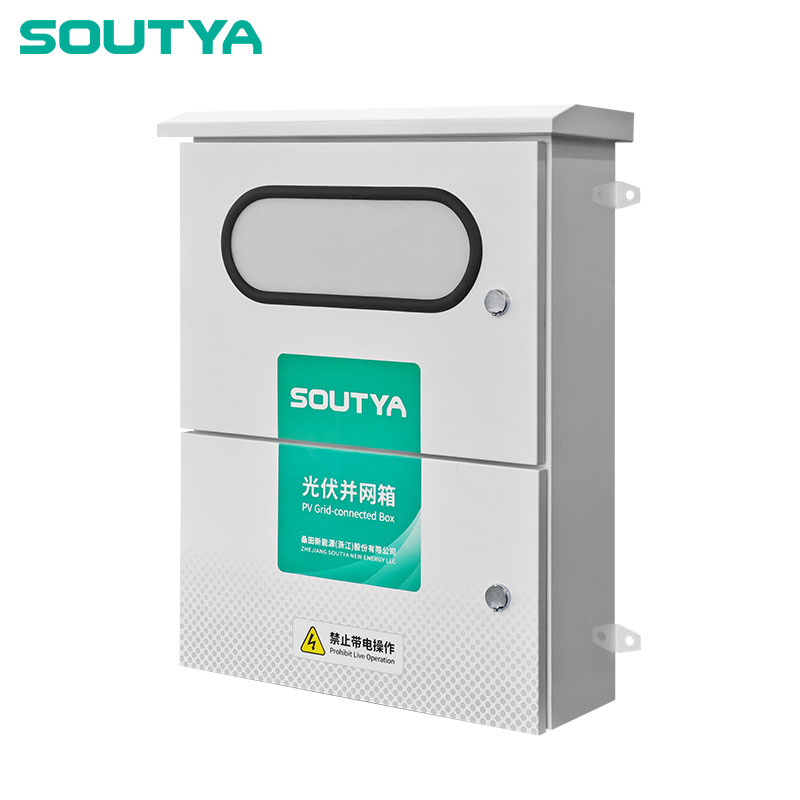
How a Commercial Solar Farm Reduced Grid Connection Failures by 35% with a PV Grid-Connected Box

2026-07-21 0 Leave me a message

Customer Background

A mid-sized commercial solar farm in California, operating 5 MW of ground-mounted PV arrays, supplies power to a local utility under a Power Purchase Agreement. The facility has been in operation for 3 years and serves as a key contributor to the state's renewable energy portfolio. With aging infrastructure and increasing regulatory scrutiny from the utility, the farm needed reliable grid interconnection equipment to avoid downtime and penalty fees.

Challenges with the Existing Grid Connection Setup

The original combiner boxes and switchgear were not designed for the farm's cumulative DC voltage of 1000V. Frequent nuisance trips of the grid-tie inverter occurred due to inadequate arc-fault protection and poor coordination between the PV array and the grid interface. Over 12 months, the farm experienced six grid disconnection events, each lasting 2–4 hours, resulting in a 3% loss of annual revenue from curtailed generation. The site manager also reported that diagnosing faults was time-consuming because the existing boxes lacked monitoring and clear labeling.

Why the Soutya PV Grid-Connected Box?

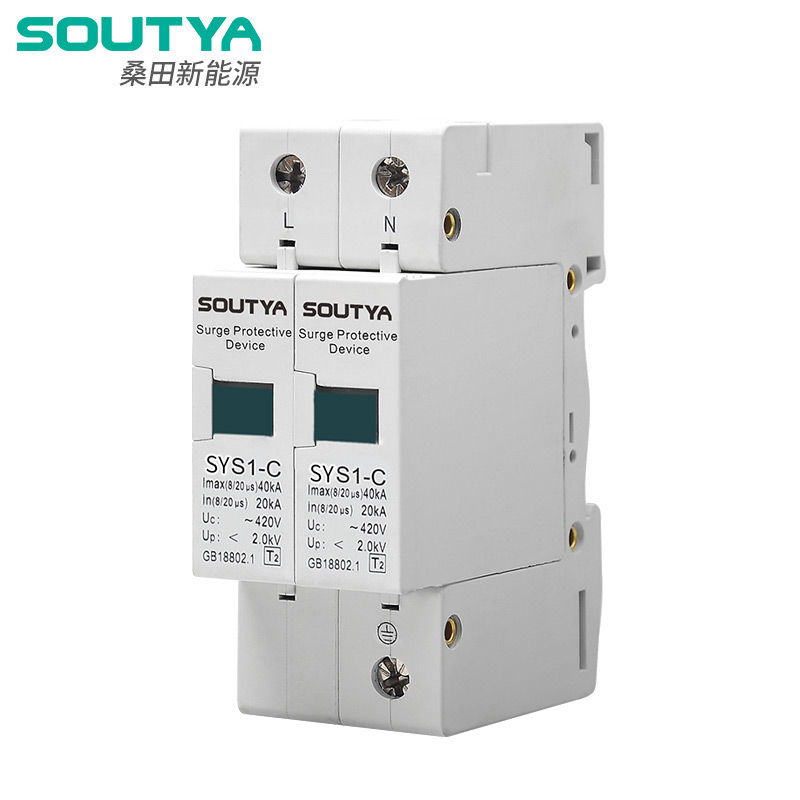
The farm evaluated three alternative combiner box solutions. The Soutya PV Grid-Connected Box stood out because it integrated overcurrent protection, surge protection, and arc-fault detection in a single UL 1699B-compliant enclosure. The box's ability to handle 1000V DC and provide real-time current monitoring via digital outputs allowed the farm to meet the utility's new interconnection requirements without adding external relays. The decision was also influenced by Soutya's technical support and 5-year warranty.

Implementation Process

The installation spanned two weeks. First, the old boxes were decommissioned and removed. The existing DC cables were inspected and re-terminated into the new Soutya box. The monitoring interface was connected to the farm's SCADA system for remote parameter tracking. One challenge was retrofitting the box into the existing concrete pad with limited clearance. The Soutya team provided a custom adapter bracket that resolved the fit issue without modifying the pad.

Quantifiable Results

After 12 months of operation, the farm recorded zero unscheduled grid disconnections. Inverter trips dropped from an average of 3 per month to fewer than 1 per quarter. Overall uptime improved from 97% to 99.5%, translating to an additional 85 MWh of energy exported annually. Maintenance costs decreased by $2,500 per year due to faster fault diagnosis and reduced truck rolls. The utility also waived a $5,000 non-compliance penalty that had been pending.

Client Testimonial

"The Soutya box solved our grid connection headaches. We haven't had a single nuisance trip since installation, and the monitoring data lets us spot issues before they become problems." — Operations Manager, Solar Farm Operator

Lessons and Recommendations

Other commercial PV operators should prioritize equipment that complies with the latest UL and IEC standards for arc-fault protection. Investing in a grid-connected box with integrated monitoring reduces long-term operational costs. When retrofitting, order custom brackets early to avoid delays. If starting from scratch, choose a solution that allows for future expansion of monitoring capabilities.

Related Industry Standards

  • IEC 60364-7-712:2017 – Low-voltage electrical installations for PV power supply systems
  • UL 1699B:2018 – Photovoltaic DC Arc-Fault Circuit Protection
  • NEC 690.12 – Rapid Shutdown of PV Systems on Buildings

PV Grid-connected Box

Related News
Leave me a message
X
We use cookies to offer you a better browsing experience, analyze site traffic and personalize content. By using this site, you agree to our use of cookies.Privacy Policy
RejectAccept