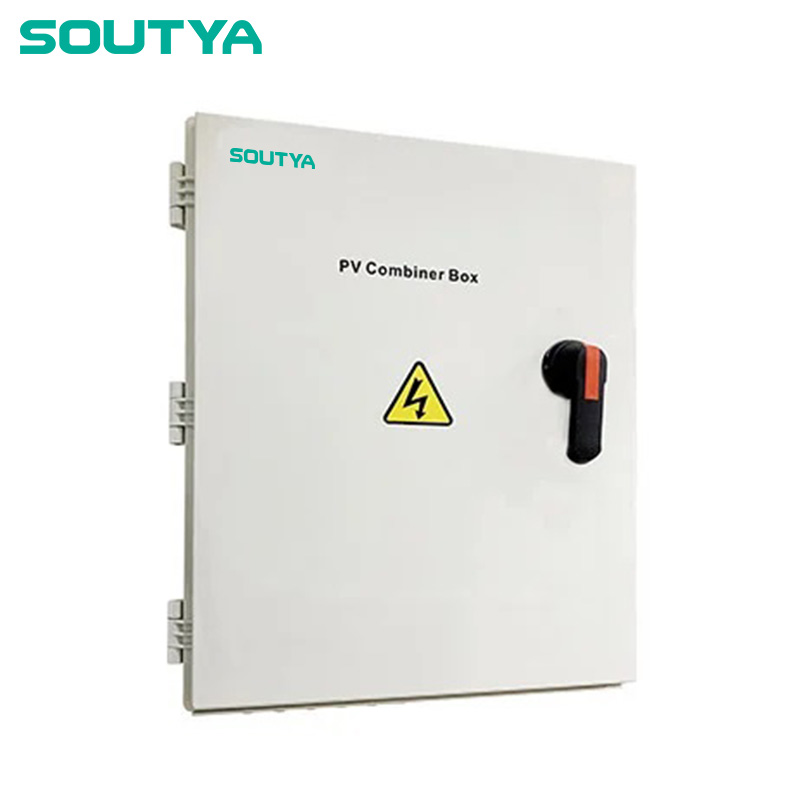
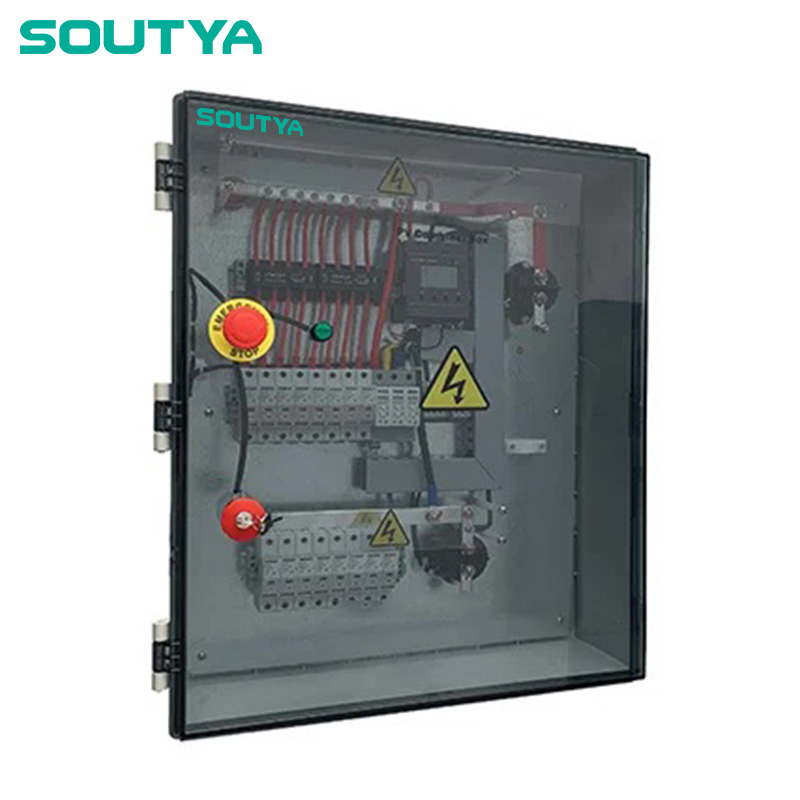
A solar EPC and O&M contractor running 60 MW of commercial rooftop and small ground-mount arrays across Arizona and Nevada replaced fuse-based DC string protection with Soutya DC miniature circuit breakers in 210 combiner enclosures. Fault-related downtime fell 62%, and the retrofit paid for itself in under seven months.
The client is a solar engineering, procurement and construction firm with an in-house operations and maintenance division. Headcount sits at 120. The fleet covers 60 MW across 340 commercial rooftop systems and six ground-mount arrays in Arizona, Nevada and southern Utah. Asset owners include retail chains, cold storage operators and two municipal utilities.
Fleet size grew 40% in 18 months while O&M staffing stayed flat. Service agreements carry a 48-hour response window for production-affecting faults, with penalties attached to missed windows.
Each combiner box protected 12 to 16 strings with 15 A and 20 A DC fuses. That arrangement produced three recurring problems.
Hail in the Phoenix metro area during one spring produced 90 fuse failures in a week. Crews worked through the weekend, and two asset owners filed service credits against the response window.
The engineering team compared four paths. String-level monitoring with the existing fuses carried a capital cost above $900 per combiner. Indicating fuse holders solved diagnosis but kept the fuse inventory and the downtime. Molded case DC breakers exceeded the depth of the existing enclosures, which meant new boxes and new concrete pads at the ground-mount sites.
The Soutya DC miniature circuit breaker matched the enclosure and the workflow on four points:
Ratings were checked against IEC 60947-2 and the combiner listing, including DC voltage rating, breaking capacity and polarity marking.
The project ran 14 weeks across two states.
The difficult moment. Two combiners in the pilot tripped between 13:00 and 15:00 on clear days. String current measured 8.6 A against a 10 A breaker inside an enclosure sitting at 68°C internal ambient. Thermal derating inside the box pushed the effective capacity below the string output. The fix was upsizing those positions to 16 A breakers and adding a 20 mm ventilation gap inside the enclosure door, after which the sites ran eight weeks without a nuisance trip.
The crew safety profile changed as well. Fuse replacement under load disappeared from the standard procedure, and the DC-rated work instruction for a string fault is now a lockout, a visual check and a reset.
“A string fault used to mean two technicians, a fuse kit and most of an afternoon,” said the director of O&M. “Now one technician opens the enclosure, reads the tripped breaker, repairs the string and resets it. Afternoon callouts dropped by half within the first month.”
The head of engineering added: “The audit was the part that mattered. Sizing breakers to enclosure ambient instead of nameplate string current is what kept the nuisance trips away.”
Specifications and ampere ratings for the Soutya DC miniature circuit breaker are available on the DC miniature circuit breaker product page.
-

Jack
Soutya