Article Summary
DC power is becoming a central part of modern energy systems, from photovoltaic arrays and battery storage cabinets to EV charging equipment and industrial DC distribution panels. Yet many buyers still struggle with one practical question: how do they choose DC circuit breakers that can interrupt fault current safely, match the real system voltage, reduce installation risk, and remain reliable under daily electrical stress? This article explains the role of DC circuit breakers in clear purchasing language, compares common product types, and offers a practical selection checklist for engineers, distributors, contractors, and project buyers.
Table of Contents
Article Outline
DC power looks simple from the outside. A photovoltaic string produces current, a battery cabinet stores energy, an EV charger transfers power, and a distribution panel sends electricity where it is needed. The real challenge begins when something goes wrong. Unlike AC current, which naturally crosses zero many times per second, DC current does not provide the same easy interruption point. When a fault occurs, the arc can be more persistent, hotter, and harder to extinguish.
That is why DC circuit breakers are not just ordinary switching devices with a different label. They are built to disconnect direct current safely under overload or short-circuit conditions. In practical terms, they help prevent cable overheating, equipment damage, fire risk, and unnecessary downtime. For a solar installer, this can protect combiner boxes and inverter-side circuits. For an energy storage integrator, it can protect battery strings and DC cabinets. For an EV charging project, it can support safer power distribution where high current is part of daily operation.
Buyers often focus on rated current first because it is easy to understand. However, rated current is only one part of the decision. System voltage, breaking capacity, arc-extinguishing design, number of poles, wiring direction, installation environment, and certification requirements all matter. A breaker that looks acceptable on paper may still be unsuitable if it cannot interrupt the actual fault energy of the system.
Practical point: A reliable DC protection plan starts by matching the breaker to the real working conditions of the project, not by choosing the cheapest item with a similar ampere rating.
Most purchasing mistakes do not happen because the buyer ignores safety. They happen because DC systems have several hidden details that are easy to underestimate. A project may appear standard, but the electrical behavior changes when strings are connected in series, when battery cabinets operate at high voltage, or when charging equipment needs fast and stable protection.
One common pain point is voltage mismatch. Some buyers use AC breakers in DC systems or choose a DC breaker with a voltage rating that does not match the full open-circuit voltage of the installation. This can become dangerous because the breaker may not extinguish the arc properly during disconnection.
Another pain point is uncertain polarity. In some DC products, wiring direction matters. If installers reverse the positive and negative terminals on a polarized breaker, the device may fail to interrupt safely. Non-polarized or bidirectional designs can reduce installation errors, especially in projects where multiple teams work on site.
Breaking capacity is also frequently overlooked. A breaker must handle more than the normal operating current. It must be able to interrupt the maximum prospective short-circuit current in that part of the system. In battery energy storage, fault current can rise quickly, so weak protection design may lead to serious consequences.
Buyers also worry about supply consistency. When a project needs repeated batches, replacement units, or standardized protection across several sites, random sourcing can create a mix of specifications and installation habits. This is where working with an experienced manufacturer such as Zhejiang Soutya New Energy LLC can help buyers keep product selection, technical communication, and future procurement more organized.
When current exceeds the allowed range, DC circuit breakers disconnect the circuit to limit damage. The operating principle may include thermal protection for overloads and magnetic protection for short circuits, depending on the product design. The key difference is what happens inside the breaker during interruption. Once the contacts open, an arc forms. In a DC circuit, that arc must be guided, stretched, cooled, and extinguished quickly.
Good DC breaker design pays close attention to contact structure, arc chute layout, contact gap, insulation material, and internal heat resistance. These details may not be visible to the buyer at first glance, but they influence safety under real fault conditions. A high-quality breaker does not only trip; it trips in a controlled way.
In solar power systems, the breaker may be installed between PV strings, combiner boxes, inverters, and DC distribution units. In energy storage, it may sit on the DC side of battery racks, power conversion systems, or cabinet-level protection circuits. In EV charging, it may protect DC-side branches where stable interruption and dependable operation are essential.
For buyers, the goal is not to memorize every internal structure. The goal is to ask the right questions before ordering: What is the maximum DC voltage? What is the expected current? What is the short-circuit level? Is bidirectional protection needed? Will the breaker be used in a combiner box, cabinet, charger, or distribution panel? Are there environmental issues such as heat, dust, humidity, or outdoor enclosure exposure?
Not every project needs the same type of breaker. Small rooftop solar systems, commercial PV plants, battery energy storage cabinets, and industrial DC panels can have very different protection requirements. The table below gives a practical comparison for common purchasing decisions.
| Product Type | Typical Use | Main Buyer Concern | Selection Advice |
|---|---|---|---|
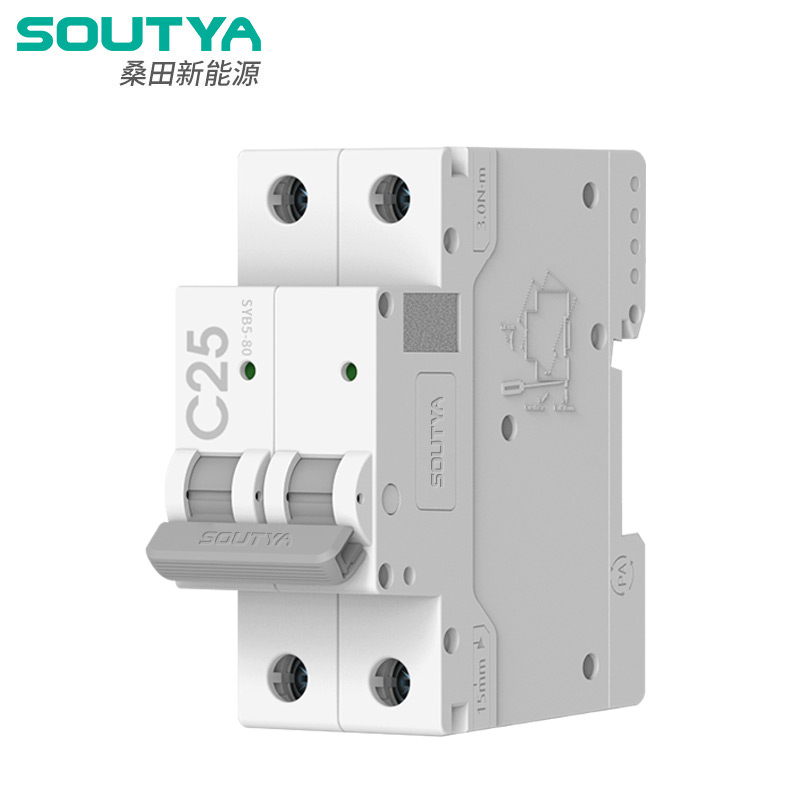
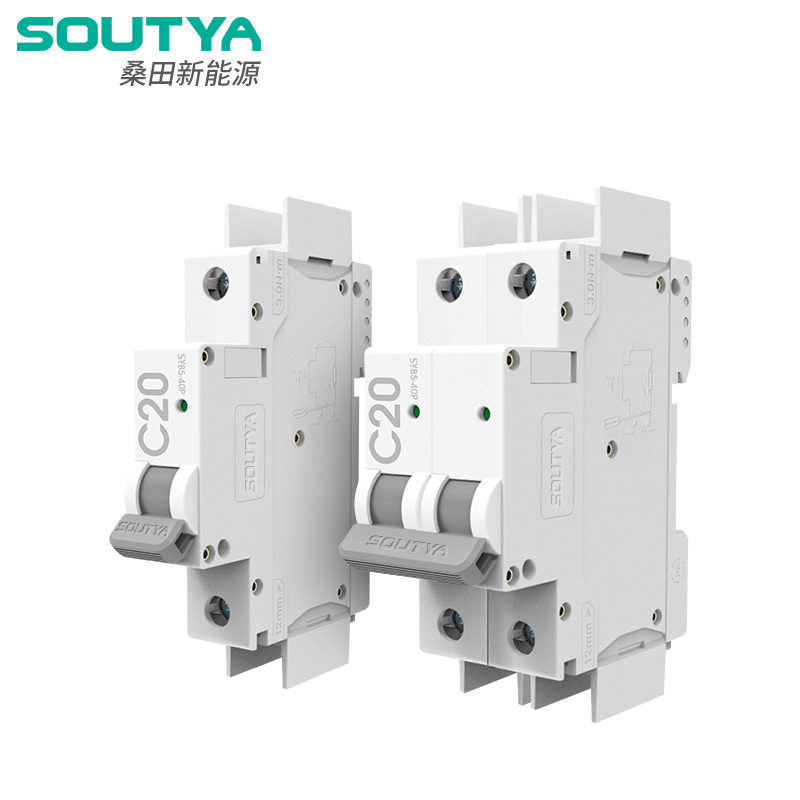
| DC Miniature Circuit Breaker | Small PV systems, DC control circuits, distribution boxes, compact electrical panels | Space-saving installation, clear ratings, stable overload and short-circuit protection | Check DC voltage rating, pole number, current rating, and whether polarity affects wiring. |
| High Voltage DC Miniature Circuit Breaker | Higher-voltage PV strings, combiner boxes, commercial solar installations | Safe interruption at elevated DC voltage | Confirm maximum system voltage and choose a breaker designed for the required high-voltage DC level. |
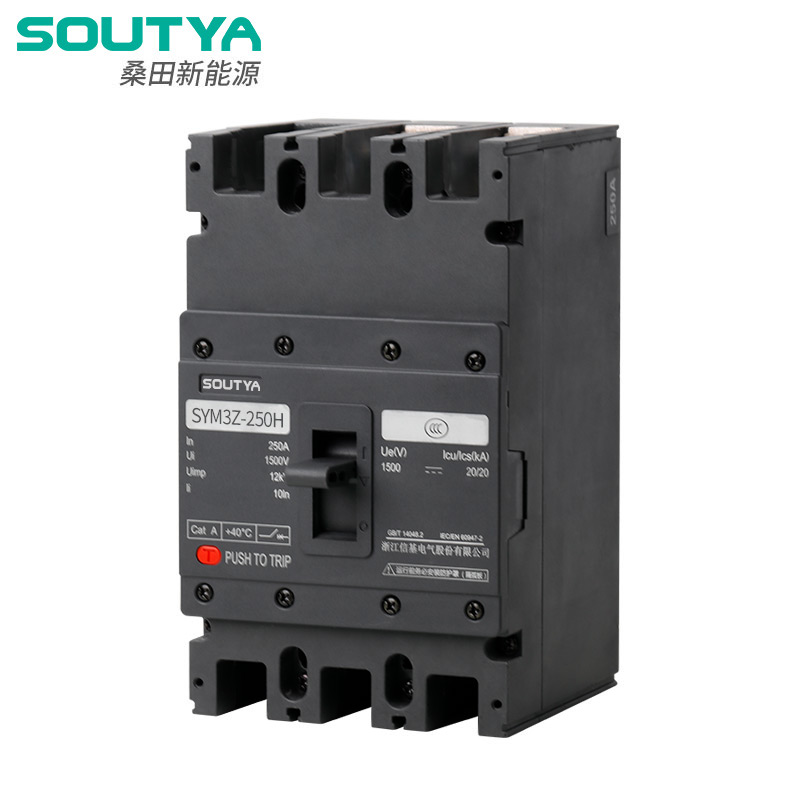
| DC Molded Case Circuit Breaker | Large PV plants, energy storage DC cabinets, industrial DC distribution, high-current branches | Higher current capacity, stronger breaking performance, cabinet-level protection | Verify breaking capacity, frame size, installation method, cable connection, and thermal conditions. |
| Non-polarized DC Circuit Breaker | Projects where wiring direction may vary or bidirectional current may appear | Reducing installation mistakes and supporting safer field wiring | Use when reverse polarity risk, battery charge-discharge flow, or maintenance flexibility is important. |
A buyer should avoid selecting only by product name. Two breakers may both be called DC circuit breakers, but one may be designed for compact low-current circuits while another may be intended for high-voltage PV or large energy storage equipment. The safer approach is to build a specification sheet before comparing prices.
A clear selection process saves time, reduces rework, and helps prevent installation disputes. Before placing an order, buyers should prepare the basic electrical parameters and application conditions. This allows the supplier to recommend a more accurate model instead of guessing from incomplete project information.
For distributors and project contractors, standardization is another important issue. If every project uses a different breaker without a clear selection logic, inventory becomes harder to manage. Replacement also becomes slower. A well-organized product range helps distributors respond faster when customers need samples, repeat orders, or after-sales support.
Buyer tip: When asking for a quotation, provide the application, DC voltage, current, required breaking capacity, quantity, installation location, and whether the project involves PV, energy storage, EV charging, or general DC distribution.
In electrical protection, the supplier is part of the safety chain. A low-cost product with unclear specifications can create more expense later through project delays, replacement costs, and trust damage with end users. Buyers need a supplier that understands how DC protection is used in practical systems, not only how to ship a standard item.
Zhejiang Soutya New Energy LLC provides DC electrical components for applications such as renewable energy systems, energy storage equipment, EV charging stations, DC combiner boxes, and distribution panels. For buyers looking for DC circuit breakers, this matters because product selection often connects with the wider system. A breaker may need to work alongside isolator switches, surge protection devices, combiner boxes, or other DC-side components.
A capable supplier can help buyers compare product types, clarify rated values, understand installation limitations, and avoid mismatched models. This is especially useful for overseas distributors, EPC contractors, solar installers, and energy storage integrators who need repeatable purchasing rather than one-time trial orders.
Good supplier communication should also be direct. If a buyer provides unclear project data, the supplier should ask about voltage, current, fault level, application, enclosure, and quantity. If a product is not suitable, the supplier should explain why. In the long run, practical technical advice is more valuable than a fast quotation with missing details.
Even well-selected DC circuit breakers need proper installation and inspection. Long-term reliability depends on both product quality and site management. Loose terminals, overheated cables, poor cabinet ventilation, and moisture intrusion can all reduce system safety.
During installation, technicians should follow the wiring diagram, torque requirements, spacing rules, and enclosure recommendations. After energizing the system, they should check for abnormal heat, unstable tripping, visible discoloration, unusual smell, or signs of arcing. For high-value solar and storage assets, scheduled inspection is not a formality; it is a cost-control habit.
In many projects, the breaker is noticed only when a fault occurs. That is too late. Treating protection components as critical assets helps reduce emergency repairs and makes system operation more predictable.
Can AC circuit breakers be used in DC systems?
In most cases, buyers should not replace a DC-rated breaker with an ordinary AC breaker. DC current is harder to interrupt because it does not naturally cross zero like AC current. Always choose a breaker with a proper DC voltage and current rating for the application.
How do I know which DC circuit breakers are suitable for solar PV systems?
Start with the maximum DC voltage of the PV string or array, then confirm current rating, breaking capacity, pole configuration, installation location, and whether the breaker will be used in a combiner box, inverter-side circuit, or distribution panel.
What is the difference between a DC miniature circuit breaker and a DC molded case circuit breaker?
A DC miniature circuit breaker is often used for compact circuits and lower current applications. A DC molded case circuit breaker is usually selected for higher current, larger cabinets, commercial PV plants, energy storage systems, and industrial DC distribution.
Why is breaking capacity important?
Breaking capacity indicates the maximum fault current the breaker can safely interrupt. If the available short-circuit current is higher than the breaker's capability, the device may fail during a serious fault.
Are non-polarized DC circuit breakers useful?
Yes. Non-polarized designs can reduce wiring direction risk and may be helpful in systems where current flow direction can vary, such as certain energy storage applications or projects where installation flexibility is important.
What information should I send before requesting a quotation?
Send the application, system voltage, rated current, required breaking capacity, pole number, installation environment, quantity, and any project standard or certification requirement. Clear information helps the supplier recommend the correct model faster.
If your project involves solar PV, battery energy storage, EV charging, DC combiner boxes, or industrial DC distribution, choosing the right protection device should not be left to guesswork. Zhejiang Soutya New Energy LLC can support buyers with practical product selection, clear specifications, and reliable DC electrical component supply.
To discuss voltage ratings, breaker type, project quantity, or customized purchasing needs, contact us today and share your application details. A clearer protection plan starts with one serious conversation.

Jack
Soutya