News

Why Are DC Electrical Components Essential for Safer and More Reliable Power Systems?

2026-03-18 0 Leave me a message

Article Summary

As more businesses invest in solar installations, battery storage, EV charging infrastructure, and other direct current applications, the demand for dependable DC Electrical Components continues to grow. Yet many buyers still struggle with the same questions: Which components are actually necessary, what risks come from poor selection, and how can they build a system that stays safe under real operating conditions?

This article breaks down the practical role of DC Electrical Components in modern power systems, explains the most common purchasing mistakes, and shows what decision-makers should look for when comparing products. It also highlights how a capable manufacturing partner such as Zhejiang Soutya New Energy LLC can help customers choose components that support protection, stability, maintenance efficiency, and long-term value.

Outline

  • The hidden complexity of direct current power protection
  • The operational and safety risks caused by mismatched parts
  • Core categories of DC Electrical Components and their job in the system
  • How to compare durability, performance, compatibility, and support
  • Questions that help buyers avoid expensive procurement mistakes
  • Why supplier capability affects consistency, lead time, and after-sales confidence

What makes DC systems more demanding than many buyers expect?

DC Electrical Components

Many customers assume that component selection in a DC system is only a matter of voltage and current. In practice, the situation is far more demanding. Direct current behaves differently from alternating current, especially when interruption, isolation, and fault protection are involved. Once an arc is created in a DC circuit, it is often harder to extinguish, which means the protection strategy must be more deliberate and the product design must be more robust.

This is exactly why DC Electrical Components are not interchangeable with general-purpose parts chosen only by appearance or price. In solar power systems, energy storage installations, EV charging setups, and industrial control environments, every component has to contribute to a larger protection chain. One weak point can reduce the safety of the entire system. Buyers who focus only on upfront cost often discover later that nuisance tripping, thermal stress, maintenance interruptions, and replacement frequency create much higher long-term expense.

Another challenge is system growth. Many installations begin at one scale and expand later. If the original DC Electrical Components are selected without considering future voltage ranges, modular replacement needs, or enclosure compatibility, upgrades become slow and expensive. This is a common pain point for installers, distributors, and project managers who need a product line that is not only safe today but also workable tomorrow.

Which problems can poor component selection create?

When buyers choose components without studying application fit, certification details, or manufacturing consistency, the consequences are usually very practical and very costly. The first risk is protection failure. If a breaker, fuse holder, isolator, or surge device is not matched to the actual conditions of the installation, the system may fail to interrupt faults effectively or may degrade too early under heat, dust, humidity, or load variation.

The second problem is downtime. Even when failure does not become dramatic, poor-quality or mismatched parts often lead to service interruptions. In commercial or industrial environments, downtime means delayed output, technician callouts, customer complaints, and sometimes safety inspections. For installers and procurement teams, that quickly turns a low-cost purchase into a reputational issue.

The third issue is maintenance complexity. If the product range lacks consistency, replacement becomes difficult. If labeling is unclear, the service team loses time. If technical parameters are not communicated transparently, system integrators end up double-checking every detail. Good DC Electrical Components reduce uncertainty. Poor ones multiply it.

Common Buyer Pain Points

  • Unclear product specifications that make comparison difficult
  • Unexpected incompatibility with combiner boxes, inverters, or battery systems
  • Frequent replacement due to weak material quality or poor thermal performance
  • Long lead times caused by unstable production capacity
  • Limited technical support when unusual project requirements arise

Which DC Electrical Components usually matter most in real projects?

Different projects require different configurations, but several categories repeatedly appear in modern DC applications. Understanding their role helps buyers make more confident decisions instead of buying reactively.

Typical Component Categories and Their Functions

Component Type Main Function Typical Application Value
DC Circuit Breaker Interrupts overcurrent and short-circuit conditions Helps protect cables, equipment, and connected loads from electrical damage
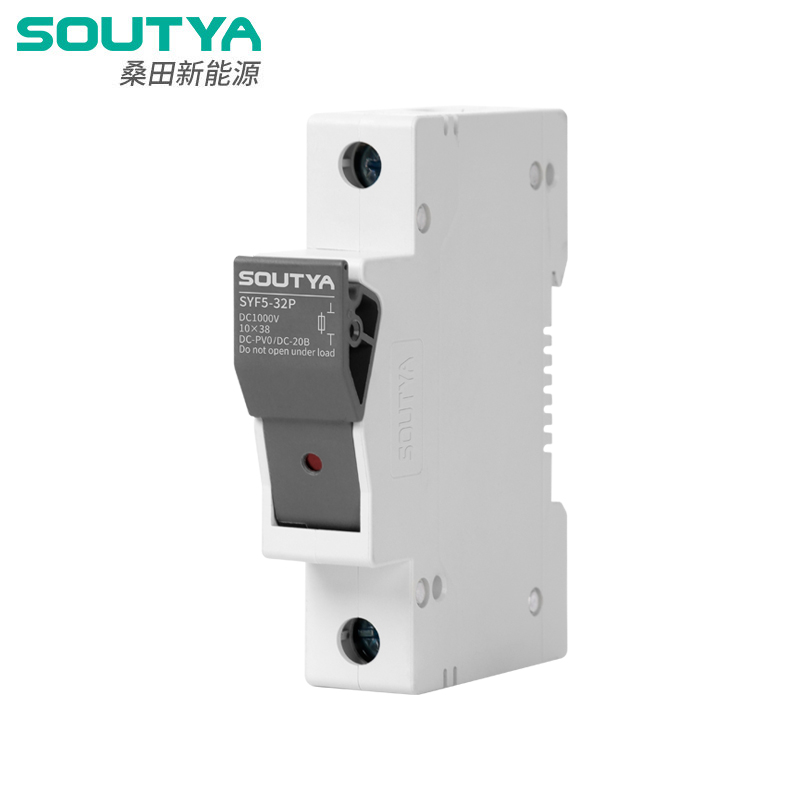
Fuse Holder Supports fuse protection and convenient replacement Useful where fast fault isolation and straightforward servicing are required
Isolator Switch Provides safe disconnection for maintenance and emergency shutoff Improves service safety and system operational control
DC Surge Protective Device Reduces damage from transient overvoltage events Important for protecting sensitive equipment in outdoor or exposed environments

In practical terms, buyers rarely need just a single item. They need a coordinated group of DC Electrical Components that work together as a complete protection structure. That is why product range matters. A supplier that can provide several compatible categories often helps reduce sourcing friction, simplify technical communication, and shorten project timelines.

This is also where manufacturer experience becomes relevant. Zhejiang Soutya New Energy LLC operates in a field where customers are not only buying parts, but also buying confidence in continuity, repeatability, and system suitability. For many purchasing teams, that confidence matters just as much as the price list.

How should buyers evaluate component quality before ordering?

DC Electrical Components

A reliable buying decision starts with asking the right technical and commercial questions. Buyers should first look at rated voltage, current, breaking performance, and environmental suitability. But that is only the beginning. Material selection, manufacturing stability, dimensional consistency, and testing discipline all affect whether a product performs well in the field.

It is also wise to examine how the supplier communicates. Are product parameters easy to verify? Are drawings and technical details clear? Can the supplier explain where the product works best and where it may not be suitable? Strong manufacturers tend to be specific. Weak ones stay vague.

Another useful indicator is production integration. When a manufacturer has greater control over tooling, assembly, and inspection, customers often receive more consistent quality and better traceability. This matters for repeat orders, private label cooperation, and project-based purchasing where any inconsistency creates installation headaches.

What to Check Before You Place an Order

  • Rated parameters align with actual system conditions
  • Product design supports safe use in the intended installation environment
  • Dimensions and mounting options fit the wider system design
  • Testing and inspection processes are clearly defined
  • Supply capability can support both current demand and repeat purchasing
  • Technical communication is responsive and detailed

What should commercial buyers ask a supplier before purchasing?

Buyers who want fewer surprises should ask more than price and delivery time. A strong procurement process explores how the supplier handles customization, quality checks, packaging, documentation, and post-sale support. This is especially important for distributors and engineering customers who need stable cooperation instead of one-time transactions.

For example, when sourcing DC Electrical Components, a buyer should ask whether the manufacturer can support different market requirements, whether product lines are maintained consistently, and whether there is flexibility for branding or project-specific packaging. Questions like these reveal whether the supplier is prepared for professional cooperation or only for simple volume sales.

Useful Questions for Procurement Teams

Question Why It Matters
Can you provide a coordinated range of related DC products? It reduces sourcing fragmentation and improves compatibility across the project.
How do you control consistency across repeat batches? It helps buyers avoid installation differences and service complaints later.
What kind of inspection is done before shipment? It offers visibility into reliability and supplier discipline.
Can you support OEM or project-based customization? It is valuable for distributors, brand owners, and specialized engineering projects.
How do you respond when technical issues arise after delivery? It shows whether the relationship will remain practical after the order is placed.

How can the right manufacturing partner improve project results?

The right partner does more than ship products. A capable manufacturer helps customers reduce procurement risk, shorten communication cycles, and improve confidence in the final installation. For buyers under time pressure, that support can be just as important as technical specifications.

When a company can offer a focused range of DC Electrical Components, maintain production control, and communicate clearly, customers gain a smoother path from quotation to installation. This is especially valuable in industries where delays affect construction schedules, delivery commitments, and customer trust.

Zhejiang Soutya New Energy LLC appears in this conversation not simply as a company name to mention, but as an example of the kind of partner many buyers are actively looking for: a supplier connected to DC protection products, able to support applications such as PV systems, energy storage, and related electrical infrastructure with a practical product offering.

In other words, choosing the right source for DC Electrical Components is not just about filling a purchase order. It is about improving system safety, reducing avoidable service issues, and building a supply relationship that still works when project requirements become more demanding.

FAQ

Q1. Why are DC Electrical Components different from standard electrical parts?

Direct current systems place different demands on interruption, isolation, and fault handling. That means DC Electrical Components should be selected specifically for DC operating conditions rather than treated as generic replacements.

Q2. Which applications commonly require DC Electrical Components?

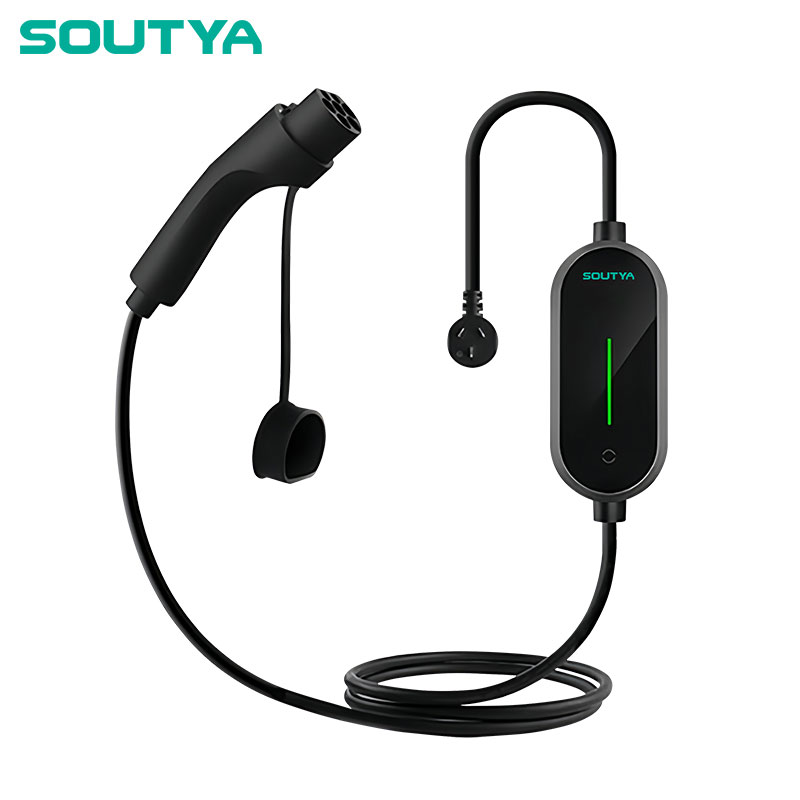
They are widely used in solar installations, battery storage systems, EV charging infrastructure, industrial control setups, and other power systems where direct current protection and switching are required.

Q3. What are the biggest risks of choosing the wrong component?

Common risks include protection failure, unnecessary downtime, shortened service life, maintenance inconvenience, and added replacement costs across the life of the system.

Q4. Is price the most important factor when buying DC Electrical Components?

Price matters, but it should never be the only factor. Long-term value depends on reliability, compatibility, consistency, technical support, and the supplier’s ability to deliver repeatable quality.

Q5. What should buyers look for in a manufacturing partner?

Buyers should look for clear product data, stable production capability, strong inspection practices, responsive communication, and a product portfolio that supports practical project needs.

Conclusion

Choosing DC Electrical Components should never be treated as a routine box-checking exercise. These products directly influence system protection, service stability, maintenance efficiency, and long-term operating confidence. For buyers facing cost pressure, delivery pressure, and technical pressure all at once, the smartest decision is usually the one that balances performance, consistency, and supplier reliability from the very beginning.

If your team is reviewing options for safer and more dependable DC system protection, working with an experienced supplier such as Zhejiang Soutya New Energy LLC can help simplify the decision process and improve overall project results.

Ready to Move Your Project Forward?

If you are looking for dependable DC Electrical Components for solar, storage, EV charging, or other direct current applications, now is the right time to compare products with long-term system performance in mind.

Contact us today to discuss your requirements, request product details, and find the right solution for your next project.

Related News
Leave me a message
X
We use cookies to offer you a better browsing experience, analyze site traffic and personalize content. By using this site, you agree to our use of cookies.Privacy Policy
RejectAccept