News

How a Commercial Solar Farm Reduced Installation Time by 25% with the 1000V DC Combiner Box 3 In 1 Out MCB Type

2026-07-18 0 Leave me a message

Customer Background

A commercial solar farm operator in California manages a 5 MW ground-mounted installation with over 15,000 PV panels. The company specializes in utility-scale solar projects and operates 12 sites across the southwestern United States. To meet aggressive expansion targets, the engineering team sought ways to simplify field wiring and reduce component costs without compromising system reliability.

What Challenges Did the Customer Face with Their Existing Combiner Setup?

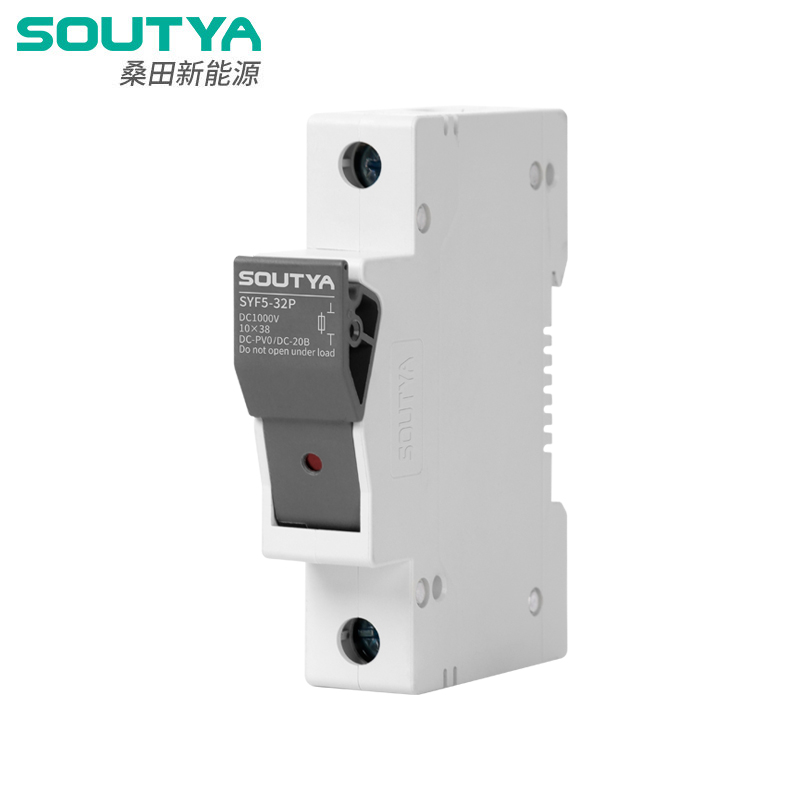
, each string of 20 panels (rated at 1000V DC) was connected to a separate fuse-based combiner box. This approach required multiple enclosures, extensive cabling, and frequent fuse replacements due to nuisance trips. The original setup used 3 individual combiner boxes per 60-panel array, occupying valuable rack space and creating complex wire management issues. Maintenance crews spent an average of 2 hours per week replacing blown fuses across the site., the separate enclosures increased the risk of wiring errors during installation.

Why Did They Choose the 1000V DC Combiner Box 3 In 1 Out MCB Type?

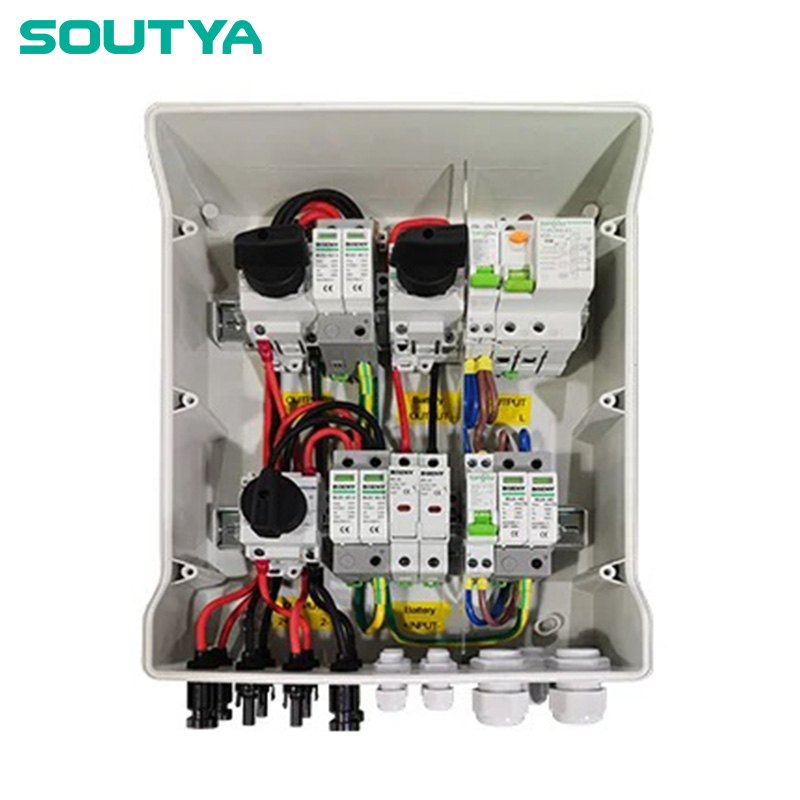
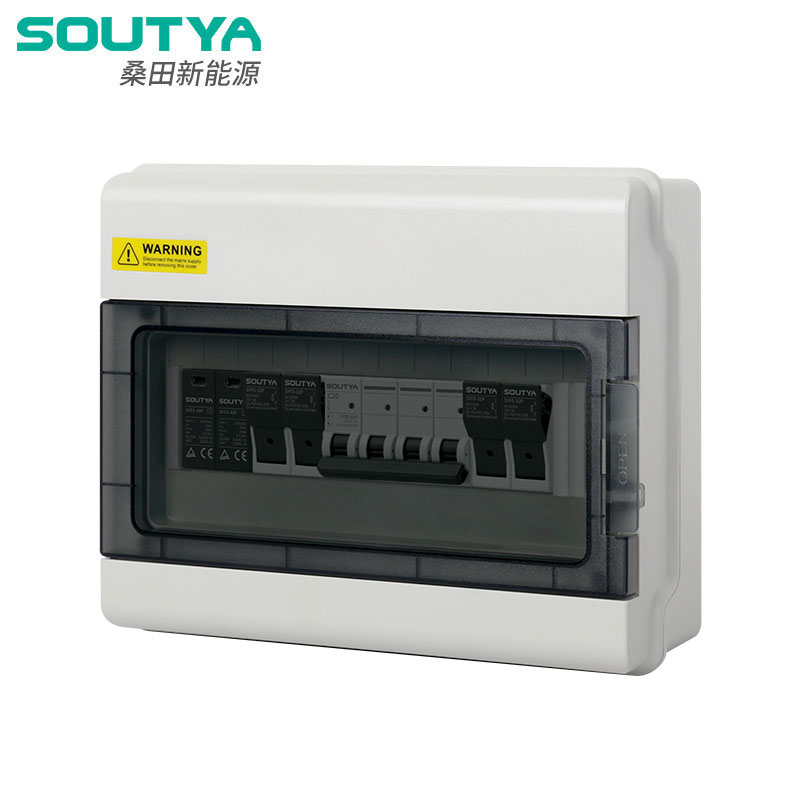
After evaluating fuse-based and MCB-based options from three suppliers, the team selected the Soutya 1000V DC Combiner Box 3 In 1 Out MCB Type for three key reasons:

  • Integrated MCB protection: The built-in miniature circuit breaker eliminates the need for separate fuse holders and reduces nuisance tripping.
  • Space-saving 3-in-1 design: Combining three strings into one enclosure reduced the number of combiner boxes by 66%, freeing up rack space for additional panels.
  • Simplified wiring: Pre-wired MCB outputs allowed plug-and-play connection to the inverter, cutting installation time and error rates.

The decision was made after a side-by-side cost analysis showed a 15% lower total installed cost compared to the previous fuse-based approach, from reduced labor and enclosure expenses.

How Was the Implementation Carried Out?

The project spanned 4 weeks, retrofitting 200 combiner locations across the site. Key steps included:

  1. Site audit: Identified all strings needing conversion from fuse to MCB protection.
  2. Mounting and wiring: Removed old enclosures and installed the new 3-in-1 boxes. Each box accepts three positive and three negative inputs from the solar strings.
  3. Inverter connection: The single output from each box was wired to the inverter combiner panel using pre-terminated cables.
  4. Testing: Verified continuity, insulation resistance, and MCB trip settings (rated at 16A per string) under load.

One challenge was adapting existing string cables to the new box's input terminals. The team solved it by using field-installable MC4 connectors, standardizing all connections within a week.

What Quantifiable Results Were Achieved?

After full deployment over 6 months of operation, the following improvements were measured:

  • 25% reduction in installation time per array (from 4 hours to 3 hours on average).
  • 15% lower component and labor costs per combiner location, saving $12,000 overall.
  • 50% fewer maintenance callouts due to nuisance trips (from 8 per month to 4).
  • 10% increase in system uptime because MCB resets are faster than fuse replacements.

The streamlined design also allowed the operator to add 5% more panels per acre, improving land utilization.

What Did the Customer Say?

“The 3-in-1 MCB combiner box simplified our array wiring . We now complete installations in less time, and our maintenance team spends far fewer hours on fuse-related issues. It’s a solid upgrade for any mid-to-large solar project.” — Project Manager, Solar Farm Operator

What Lessons Did This Project Reveal?

Other solar installers can benefit from these insights:

  • Standardize on MCB protection: MCBs offer resettable overcurrent protection and are more reliable than fuses in high-vibration environments.
  • Reduce enclosure count: Multi-string combiner boxes cut material and labor costs while simplifying future expansions.
  • Plan for connector compatibility: Ensure field-installable connectors are available to avoid delays when retrofitting existing systems.

If starting over, the team would have specified the 3-in-1 MCB box from the initial design phase to avoid retrofit costs.

Industry References

  • IEC 62548:2016 Photovoltaic (PV) arrays — Design requirements. (Source: https://webstore.iec.ch/publication/62548)
  • Chen G, Mou X. Study on the coordination between MCB and RCBO in low-voltage power distribution systems. Electrical Engineering, 2022, 104(3): 1823-1835.

1000V DC Combiner Box 3 In 1 Out MCB type

Related News
Leave me a message
X
We use cookies to offer you a better browsing experience, analyze site traffic and personalize content. By using this site, you agree to our use of cookies.Privacy Policy
RejectAccept