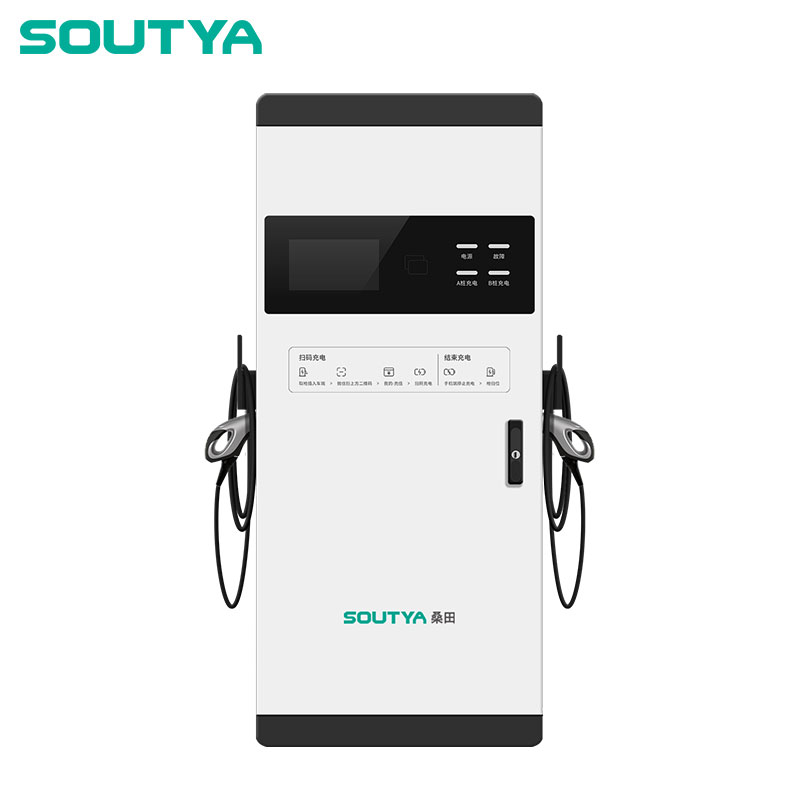
A regional electric fleet operator replaced a failing AC charging setup with 16 Soutya 60KW and 80KW DC charging piles. Charge time per vehicle dropped from 9.2 hours to 55 minutes, charger uptime climbed to 99.1%, and charging-related overtime fell by $99,000 per year.
The client runs a commercial delivery and shuttle operation from three depots in the US Midwest. The fleet covers 110 vehicles: 96 electric cargo vans with 60 to 75 kWh battery packs and 14 electric shuttle buses with 210 kWh packs. Roughly 240 drivers work two shifts, and the main depot serves a 180-mile delivery radius with scheduled departures at 05:00 and 14:00.
Two new retail distribution contracts added night routes in early 2023, which pushed daily mileage per van from 92 to 131 miles. A state fleet electrification target requires 60% of the operation to run electric by 2027, and the depot sits at 38%. Meeting that target without adding vehicles or drivers depends on charging throughput.
The depot had 18 Level 2 AC chargers rated at 7.2 kW, spread across 40 marked bays. A 65 kWh top-up took 9.2 hours, so vans plugged in at 18:30 and stayed parked until 04:00. Only 18 of 40 bays had a charger, which created a nightly queue and forced drivers to shuffle vehicles between bays. Mid-day top-ups for the buses were impossible because the AC units could not deliver enough energy inside a 90-minute window.
Reliability made the situation worse. The 18 units came from two vendors and ran on three separate management apps. Drivers reset faults by hand, which took 40 to 90 minutes per incident, and the maintenance log showed 31 charge-related service calls in the six months before the upgrade. Missed route starts became routine, and the depot spent $9,400 per month on driver overtime and third-party carrier subcontracting to cover gaps.
Two years and roughly $214,000 in charging hardware and civil work produced a depot that still could not support the 2027 target.
The operator evaluated 50 kW, 60 kW, 80 kW, and 120 kW options. A 120 kW specification required a transformer upgrade quoted at $96,000 plus a 14-week utility lead time, which the schedule could not absorb. The 60 kW and 80 kW models matched the site's available headroom.
Four technical points decided the purchase:
Enclosure rating, cable management, an operating range of -30°C to +55°C, and CCS1/CCS2 connector options with CHAdeMO availability covered the mixed fleet and the Midwest winter conditions.
The project ran 11 weeks from purchase order to full operation.
The main obstacle: the transformer could not support four 80 kW cabinets at full output at the same time. Instead of reducing charger count, the integrator set a 300 kW site ceiling in the charger controller. During the 18:30 peak, each unit runs at roughly 62 kW on average and shifts power between connectors as vehicles finish. The vans still reach 80% state of charge in under an hour, and the transformer never exceeded 71% of its rating during the test
The operational effect reached past the charging bays. Dispatch added a third daily route per van without buying vehicles. Mid-day bus top-ups became standard, which removed a diesel backup coach that had cost $41,000 per year to operate. The depot now reports charging performance in the same weekly review as route completion.
“The depot used to run on a schedule built charger availability,” said the fleet director. “Now the schedule runs the chargers. Two winters in, the only charger issue that took a vehicle out of service was a damaged connector cable after a yard collision.”
The maintenance lead added: “Four service calls in six months instead of thirty-one changed how the team plans its week. Nobody resets chargers by hand at 02:00 anymore.”
Fleet operators evaluating 60KW or 80KW DC charging piles can review the configuration used in this project at Soutya 60KW 80KW DC Charging Pile.

Jack
Soutya