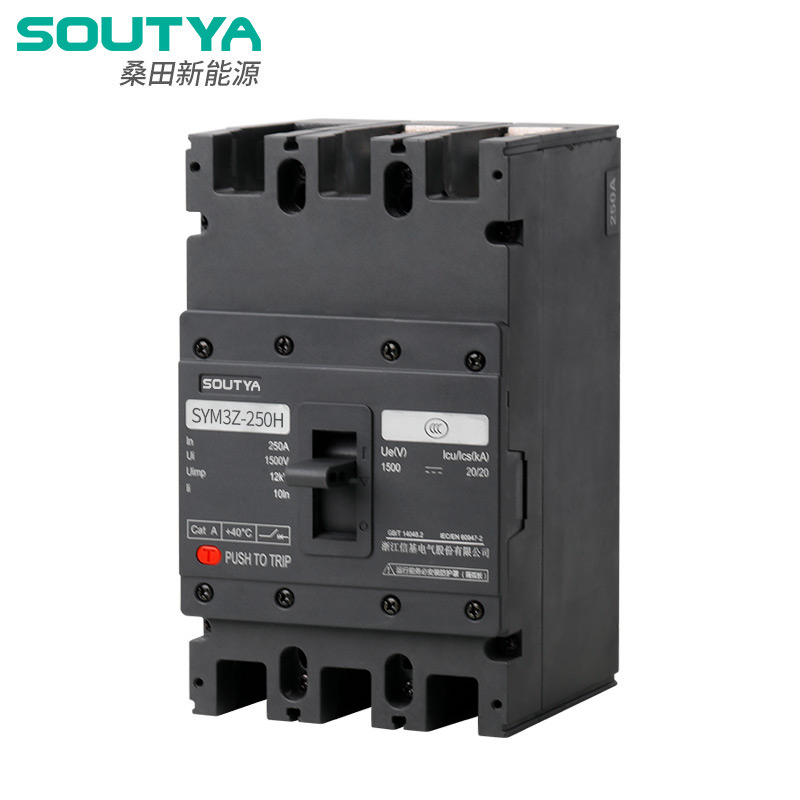
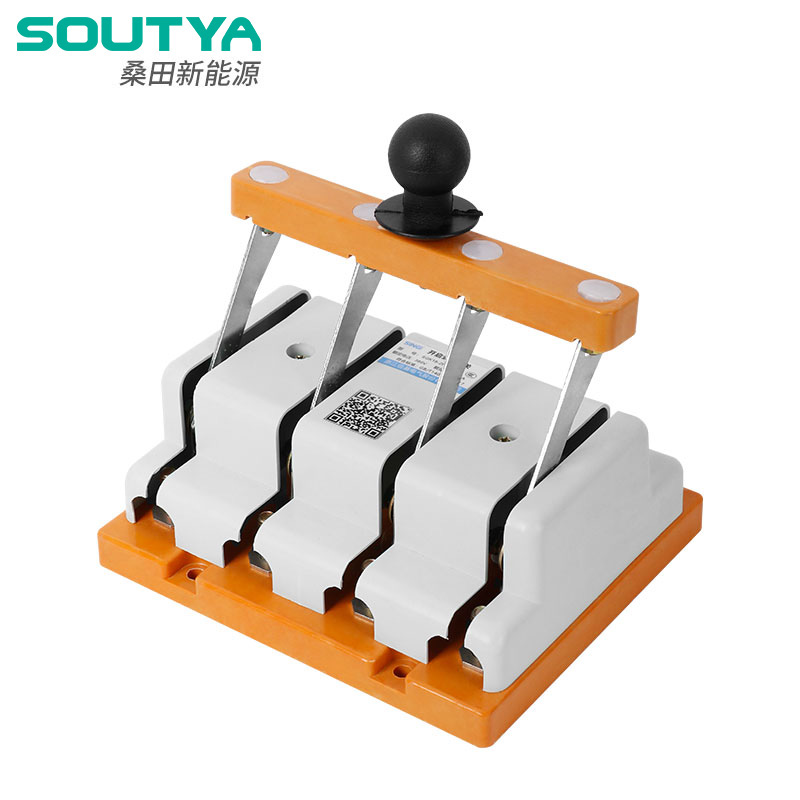
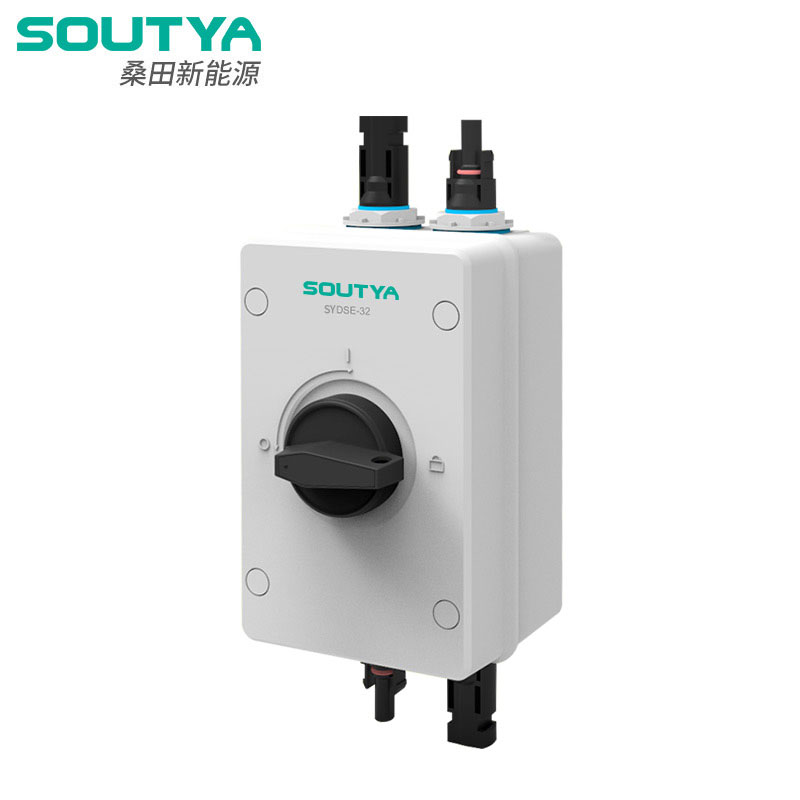
As solar photovoltaic (PV) systems grow in scale and voltage, ensuring firefighter safety during emergencies becomes a top priority. A 1000V firefighter safety switch provides a reliable means to disconnect high-voltage DC circuits, protecting first responders and preventing electrical hazards. This article explains the role, benefits, and selection criteria for these critical devices, with a focus on compliance and practical deployment.

A 1000V firefighter safety switch is a manually operated disconnecting device designed to isolate solar panels from the inverter and grid during an emergency. It meets the requirements of the National Electrical Code (NEC) Section 690.12, which mandates rapid shutdown of PV systems to reduce shock risk. In high-voltage commercial installations (up to 1000V DC), this switch provides a visible break and lockable handle, ensuring that firefighters can quickly and safely de-energize the array before entering the area.
Any solar PV system operating at 1000V DC—common in large commercial, utility-scale, and ground-mount projects—must include a listed rapid shutdown solution. The firefighter safety switch is typically installed between the PV combiner box and the inverter, or at the array edge. It is also required where modules are mounted on or near buildings, as local codes often demand an accessible disconnect point for emergency responders.
Beyond meeting code, a 1000V firefighter safety switch reduces arc-flash and shock hazards by providing a positive disconnection. Its robust construction withstands harsh outdoor environments, with IP65 or higher ingress protection. The switch often includes an auxiliary contact for remote monitoring, allowing system operators to confirm disconnection status. Compliance with UL 1741 and IEC 60947-3 ensures the switch performs reliably under fault conditions.
When selecting a 1000V firefighter safety switch, consider the following features:
Q: Does a 1000V firefighter safety switch replace a rapid shutdown device?
A: It can serve as part of a rapid shutdown system if it meets module-level or array-level shutdown requirements. Often, it complements module-level power electronics to comply with NEC 690.12.
Q: Can this switch be used in residential systems?
A: It is designed for 1000V systems, which are typical in commercial and utility projects. Residential systems usually operate at lower voltages (600V or less) and require different disconnects.
Q: How often should the switch be tested?
A: Periodic testing (annually or per local code) is recommended to ensure mechanical operation and contact integrity.
Q: What is the difference between a safety switch and a circuit breaker?
A: A safety switch is a manual disconnecting means, while a circuit breaker provides overcurrent protection. Both may be used in series for complete protection.
Q: Are these switches suitable for outdoor installation?
A: Yes, when rated with an appropriate IP or NEMA enclosure. Models with UV-resistant materials and corrosion-proof hardware are ideal for coastal or industrial environments.
A 1000V firefighter safety switch is an essential component for any high-voltage solar installation. It protects lives, ensures code compliance, and provides peace of mind for system owners and emergency responders. By understanding the technical requirements and selecting a certified product, buyers can enhance safety and reliability in their PV projects. For more information on available models, consult a qualified supplier.
Industry Standards Referenced:

Jack
Soutya