News

Isolator Switches Exposed: How 0.1mm Alignment Errors Trigger Catastrophic Arc Flashes

2025-11-13 0 Leave me a message

Description: 

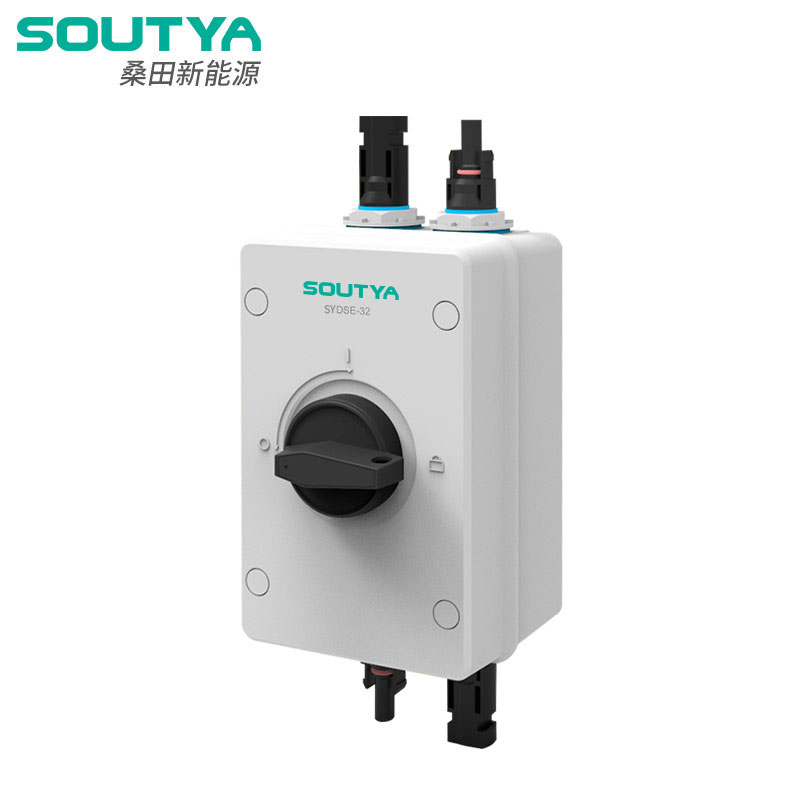
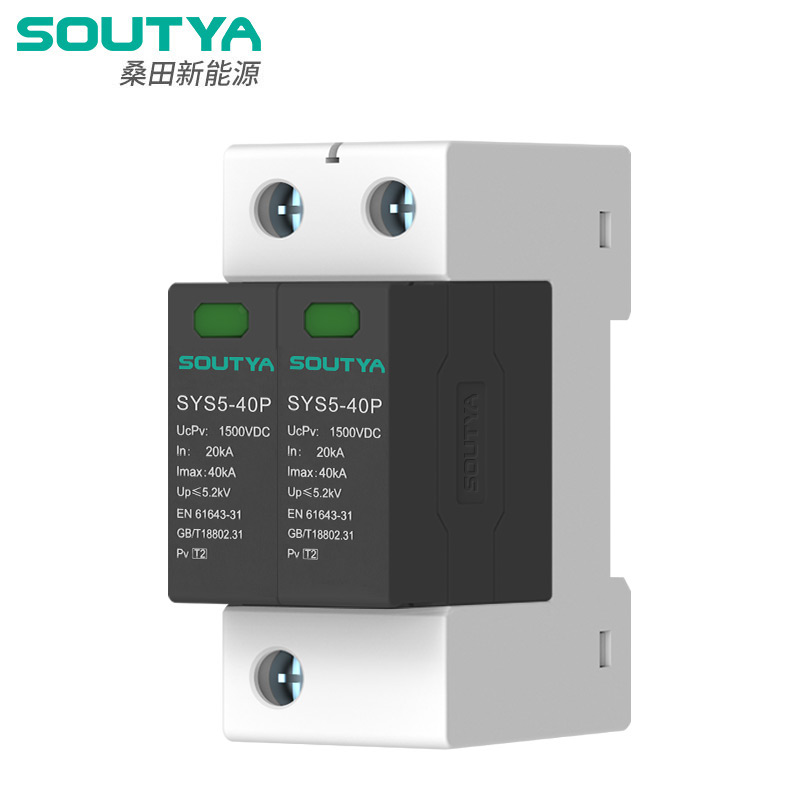
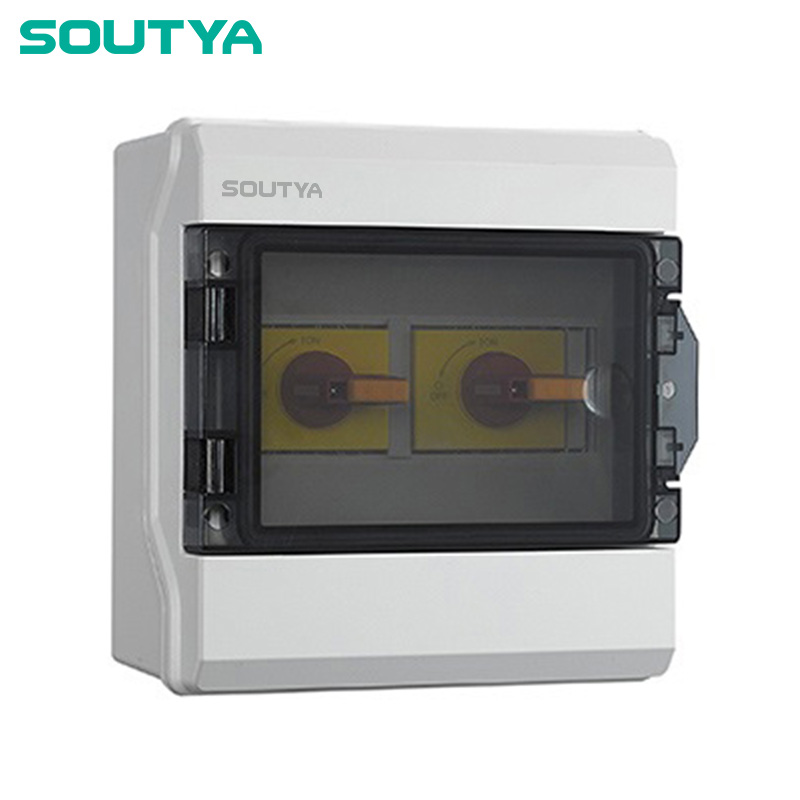
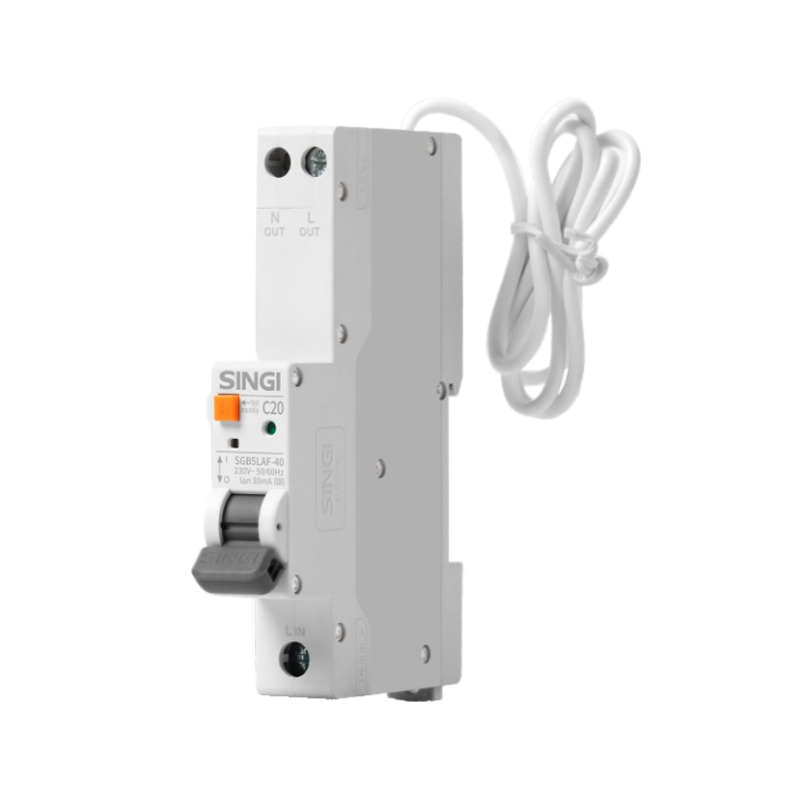
Isolator switches are important electrical devices designed to safely disconnect DC circuits from the power supply. In maintenance or emergency situations, DC isolator switches ensure the safety of electrical systems and personnel. These switches are widely used in solar photovoltaic systems, wind power generation devices, and other DC-powered applications.


What are the advantages of isolator switches?

1) Exquisite appearance and high efficiency: Designed for both industrial and civilian applications, enabling efficient energy management.

2) Wide operating temperature range: Maximum withstand temperature: 85°C; Minimum withstand temperature: -40°C; Adaptable to extreme climates.

3) Easy installation: Quick and hassle-free installation design significantly reduces construction time.

4) Certified quality: Meets CE certification standards, ensuring safety and quality.

5) Flexible switching mechanism: Smooth and convenient operation enhances the user experience.

6) Flame retardant protection: Effectively prevents fire hazards and ensures electrical safety levels.

7) Overvoltage protection: Resists voltage surge impacts, ensuring long-term system durability.

8) Direct from manufacturer: As a trusted manufacturer, USFULL provides high-quality DC disconnect switches at highly competitive prices.

The Critical Physics of Contact Separation

Calculating Minimum Safe Operating Distances


Rated Voltage Legal Minimum Gap (mm) Field-Adjusted Gap (mm) Flashover Voltage
1kV 20 25 ±0.3 18kV
36kV 150 165 ±0.5 95kV
72kV 300 330 ±1.0 220kV
145kV 580 635 ±1.5 420kV
Per IEC 62271-102 Section 6.2.1 tolerance requirements

Material Selection Matrix for Hostile Environments


Contact & Insulation Performance Comparison


Material Combo Arc Resistance Coastal Survival Industrial Pollution Desert Endurance
Copper + Porcelain Insulator ★★☆☆☆ ❌ (Salt deposits) ❌ (Sulfuric etching) ⚠ (Thermal cycling)
Silver-Nickel + Fiberglass ★★★☆☆ ★★★☆☆ ★★★☆☆
Tungsten-Silver + Silicone Composites ★★★★☆ ★★★★☆ ★★★★☆ ★★★★☆
Chrome-Copper + Epoxy FRP ★★★★★ ★★★☆☆ ★★★★★ ★★★★☆
Rating scale: ★ = Poor; ★★★★★ = Exceptional

Isolator Switch FAQs: Industry Compliance Essentials

Q: Why do isolator switches require visible isolation gaps?

A: Legal disconnect verification prevents "hidden charge" deaths:

Regulatory Mandate: OSHA 1910.333(b)(2)(iii) demands "visual break confirmation"

Gap Physics: Minimum 8mm/kV prevents inductive voltage jumps

Testing Protocol: Laser gap sensors verify distance ±0.15mm deviation

Maintenance crews require physical line-of-sight verification before locking out.

Q: How does altitude affect isolator switch ratings?

A: Thin air reduces dielectric strength 15%/1000m


Q: What maintenance prevents isolator switch welding?

A: Apply the N+2 Contact Protocol quarterly:

Measure contact resistance: <100μΩ at 100A DC

Verify spring pressure: 350N @ 25mm overtravel

Check alignment tolerance: Max 0.5° blade deviation

Calibrate interlock systems: 0.25s phase synchronization

Omission increases weld risk by 17× per IEEE Standard 980 report

isolator switchesisolator switches


The Physics Behind Fail-Safe Isolation

"Electricity flows where engineering negligence creates paths." — Dr. Elena Roth, CIGRE Committee

When substation harmonics cause phantom voltages, dust layers become conductors at 38kV/cm, and thermal cycling shrinks safety gaps by 0.05mm/year, precision-engineered isolator switches build measurable millimeter-scale barriers between workers and death. Because true safety requires physics-based certainty, not procedural optimism.


Related News
Leave me a message
X
We use cookies to offer you a better browsing experience, analyze site traffic and personalize content. By using this site, you agree to our use of cookies. Privacy Policy
Reject Accept