A copper-gold mining operation in Western Australia runs underground conveyor systems, dewatering pumps, and ventilation fans on a 1140V AC network. The site produces 3.2 million tons of ore per year and employs a 12-person electrical maintenance team. The plant operates continuously, with only two scheduled shutdown windows per year.
The original breakers on the 1140V circuits were not rated for that voltage. They were 690V molded case circuit breakers modified with extra insulation, but they still tripped thermally, arced, and failed under load. Unplanned outages occurred eight times per month on average. Each outage cost $16,000 in lost production and repair labor, plus the risk of arc flash injuries. Replacement parts had to be sourced from overseas, with lead times of six to eight weeks. The maintenance team spent 30% of its time chasing breaker faults instead of doing preventive work.
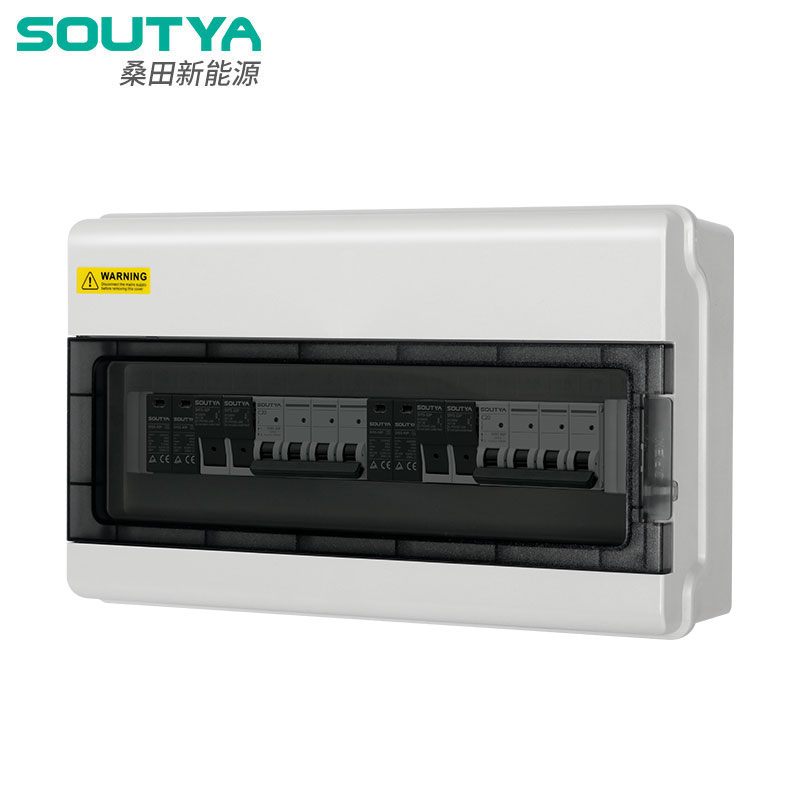
The site evaluated vacuum contactors, retrofit kits, and standard low-voltage breakers with external relays. Vacuum contactors solved the voltage issue but required new panels and control wiring, driving the project cost above $180,000. Retrofit kits had uncertain reliability. The Soutya 1140V AC molded case circuit breaker offered a true 1140V rating with a breaking capacity of 25kA, adjustable thermal-magnetic trip units, and a compact frame that fit the existing switchgear. The price per unit was $310, which was 35% less than a comparable contactor installation. The site also valued the unit's ability to handle high inrush currents from large motors without nuisance tripping.
The replacement project took 12 weeks from the first site audit to final commissioning. The team installed 34 Soutya MCCBs across the conveyor, pump, and fan circuits. Key steps included:
One challenge was coordinating the new breakers with existing protection relays. The fix was to enable the MCCB's short-time delay function, which allowed the downstream relays to clear faults first without tripping the main breaker.
After three months of operation, the results were clear:
The breaker failure rate per year went from six incidents to one. The site also recorded no arc flash incidents during the review
The electrical superintendent at the mine said: "We were replacing breakers every few weeks before. Now they run for months without a hiccup. The adjustable trip units let us match protection to each motor, and the breakers handle the 1140V without any heat issues."
Other plants running 1140V systems can replicate this approach:
The team also noted that if they re-did the project, they would document the trip settings of every original breaker before replacement to speed up the commissioning process.
UL 489 Ed. 14-2025 - Molded-Case Circuit Breakers, Molded-Case Switches and Circuit-Breaker Enclosures. ANSI/UL 489-2025. Webstore.ansi.org.
UL 489 - Molded-Case Circuit Breakers, Molded-Case Switches and Circuit-Breaker Enclosures. UL Standards. 2021. ShopULStandards.com.


Jack
Soutya