News

Why Choose a DC Isolator Box IP65 Enclosure Two Strings for Solar

2026-07-29 0 Leave me a message

Article Summary

The DC Isolator Box IP65 Enclosure Two Strings from Soutya provides safe isolation and protection for solar photovoltaic (PV) systems. This article explains its function, why IP65 matters, how two-string configuration fits common installations, and key selection factors for engineers and procurement professionals.

Table of Contents

  • What does a DC Isolator Box IP65 Enclosure Two Strings do in a solar installation?
  • Why is IP65 enclosure critical for outdoor solar combiner boxes?
  • How does a two-string configuration match typical PV system requirements?
  • Which factors should engineers consider when selecting a DC isolator box?

Outline

  • Role of DC isolator box in PV systems
  • IP65 enclosure: protection against dust and water
  • Two-string configuration: capacity and scalability
  • Selection criteria: voltage rating, current rating, compliance, build quality
  • Comparison: DC isolator box vs. Standard combiner box

What does a DC Isolator Box IP65 Enclosure Two Strings do in a solar installation?

A DC Isolator Box serves as a safety disconnect between the solar array and the inverter. It allows maintenance personnel to safely isolate DC circuits before working on the system. The two-string version handles two independent PV strings, each with its own input and output. An IP65-rated enclosure means it is dust-tight and protected against low-pressure water jets, suitable for outdoor mounting.

In grid-tied and off-grid systems, the isolator box also houses overcurrent protection devices (e.g., fuses or DC circuit breakers) and surge protection devices (SPDs) if integrated. Soutya's DC Isolator Box IP65 Enclosure Two Strings is designed for 600V / 1000V DC systems with rated currents up to 32A per string, meeting the demands of residential and commercial installations.

Why is IP65 enclosure critical for outdoor solar combiner boxes?

Solar combiner boxes are installed on rooftops, building facades, or ground-mounted racks. They face rain, dust, snow, and UV exposure. An IP65 rating ensures the enclosure prevents ingress of dust (first digit 6) and low-pressure water jets from any direction (second digit 5). This is important for DC isolator boxes because any moisture or debris inside can cause tracking, short circuits, or corrosion of contacts, leading to arc faults or system downtime.

Many countries require outdoor electrical enclosures for PV systems to meet at least IP54 or IP65. IEC 62548:2016 specifies design requirements for photovoltaic arrays, including environmental protection for junction boxes and isolators. Using an IP65 enclosure reduces warranty claims and maintenance visits, which is a significant consideration for system owners and O&M contractors.

How does a two-string configuration match typical PV system requirements?

A two-string DC isolator box is a common and practical configuration for residential and small commercial solar systems. Most string inverters have two or more MPPT inputs, and connecting two strings to each MPPT allows balancing of mismatched orientations (e.g., east-west roofs). The two-string box keeps each string isolated, making troubleshooting and maintenance easier.

Typical power ratings of 4kW to 8kW systems fit well with two strings of 10-15 panels each. The Soutya DC Isolator Box IP65 Enclosure Two Strings supports up to 1000V DC, which is standard for high-voltage residential systems in many markets. The compact size and pre-wired terminals reduce installation time and error. For larger systems, multiple two-string boxes can be used, providing modularity.

Comparison: DC Isolator Box vs. Standard Combiner Box
ParameterDC Isolator Box (Two Strings)Standard Combiner Box (Multi-String)
Number of strings24-16
Primary functionIsolation + protectionCombining + protection
Enclosure ratingIP65IP54 to IP65
Typical applicationResidential, small commercialCommercial, utility
Cost per stringLowerLower when scaled
Note: When selecting a DC isolator box, always verify the voltage rating matches the system's maximum PV voltage (including temperature correction). Also confirm that the enclosure material (e.g., polycarbonate or metal) is UV-stable for outdoor use.

Which factors should engineers consider when selecting a DC isolator box?

  • Voltage rating: 600V is common for residential; 1000V or 1500V for commercial. Choose based on array Voc x temperature correction.
  • Current rating: Sum of string Isc x 1.25 ( NEC or IEC derating). Two strings at 15A each need at least 32A rating.
  • Enclosure material: Polycarbonate is lighter and UV-resistant; metal offers higher impact resistance but needs proper grounding.
  • Ingress protection: IP65 for outdoor; if near coast or chemical plants, consider IP66 or NEMA 4X.
  • Internal components: Fuse holders, DC SPDs, and busbars should be rated for DC and have proper arc extinction.
  • Certifications: UL 1699B (for AFCI integration, if applicable), IEC 60947-3, VDE, TÜV. Soutya products comply with relevant international standards.

Research on aging characteristics of contact electrodes of low voltage DC switches (DOI: 10.3390/en14206838) shows that material selection and arc quenching methods affect lifespan. Soutya's DC isolator uses high-quality contacts and arc chambers to meet long-term reliability requirements.

FAQ

Q1: Can I use a standard AC isolator for DC applications?

No. AC switches are not designed to extinguish DC arcs, which do not have a natural zero crossing. Using an AC switch on DC can cause sustained arcing, fire risk, and component damage. Always use a dedicated DC isolator box.

Q2: Does the IP65 enclosure require additional rain shields?

no. IP65 is sufficient for direct outdoor exposure. However, if the box is mounted with cable entries facing upward, use watertight glands to maintain the rating.

Q3: How should the DC isolator box be inspected?

Visual inspection yearly is recommended. Check for corrosion, loose terminations, and signs of overheating. For systems in harsh environments (coastal, high dust), inspect every six months.

Q4: Can I connect more than two strings to this box?

No. This box is designed for exactly two strings. For more strings, use a multi-string combiner box or install multiple two-string units.

Q5: What is the wiring configuration inside the box?

The box includes positive and negative terminals for each string, with fuses on the positive side. Internal busbars combine the outputs to a single pair of cables to the inverter. Always follow the wiring diagram provided by the manufacturer.

Get the Right DC Isolator Box for Your Project

The Soutya DC Isolator Box IP65 Enclosure Two Strings offers reliable isolation, IP65 protection, and easy installation for two-string PV systems. Contact Soutya for OEM/ODM inquiries or to request a quote.

Learn More
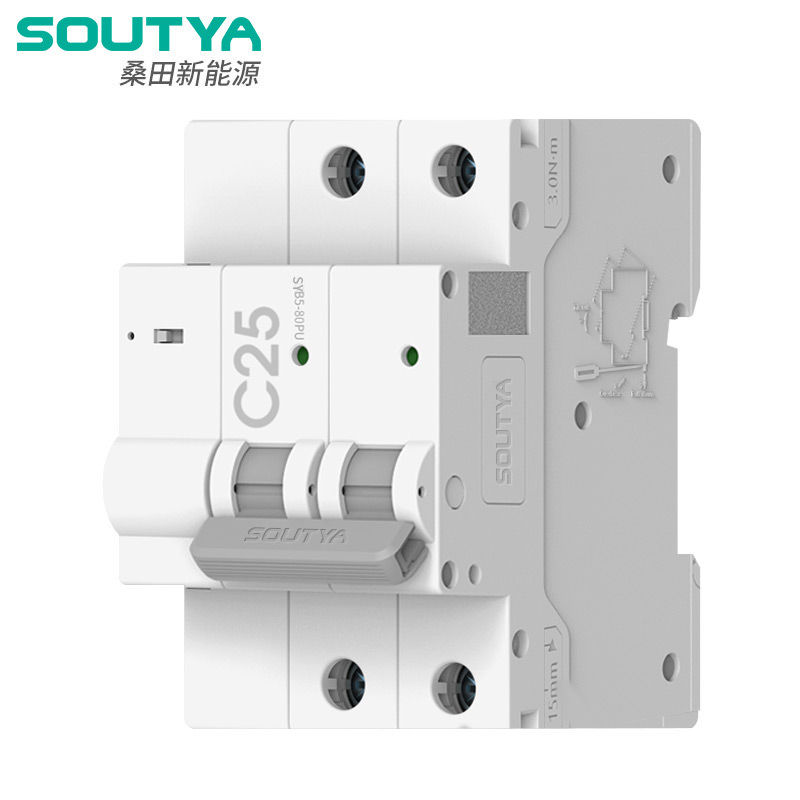
Soutya DC Isolator Box IP65 Enclosure Two Strings

References

[1] IEC 62548:2016. Photovoltaic (PV) arrays — Design requirements. International Electrotechnical Commission, 2016.

[2] Aging Characteristics of Contact Electrodes of Low Voltage DC Switches. Energies, 2021, 14(20): 6838. DOI: 10.3390/en14206838.

Related News
Leave me a message
X
We use cookies to offer you a better browsing experience, analyze site traffic and personalize content. By using this site, you agree to our use of cookies.Privacy Policy
RejectAccept