In practical solar design, many project delays and field failures come from details that seem small on paper but turn serious on site. Cable clutter, inconsistent protection, difficult troubleshooting, and unclear string management can all reduce confidence in a PV installation. That is exactly why DC Combiner Boxes matter. At Zhejiang Soutya New Energy LLC, we see them not as simple enclosures, but as an important control point that helps installers, EPCs, and system owners build a cleaner, safer, and more serviceable DC side.
This article explains what DC Combiner Boxes do, why they are essential in modern PV systems, and how they help solve common buyer concerns such as protection coordination, maintenance difficulty, installation quality, and long-term reliability. It also outlines how to choose the right configuration based on voltage level, project type, environmental conditions, and monitoring expectations. If you want a solar system that is easier to manage and safer to operate, understanding the role of DC Combiner Boxes is a practical place to start.
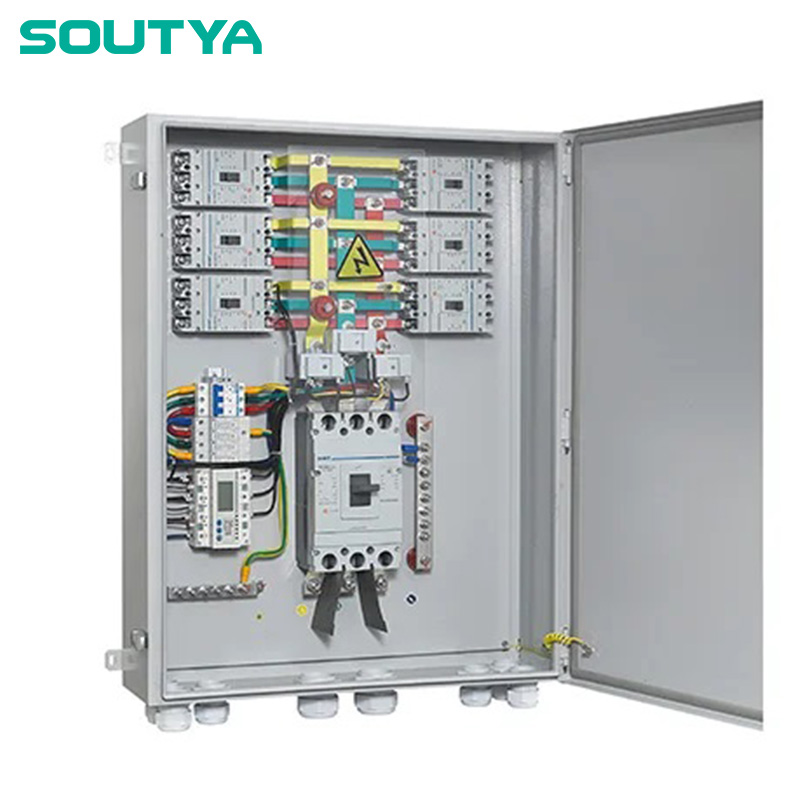
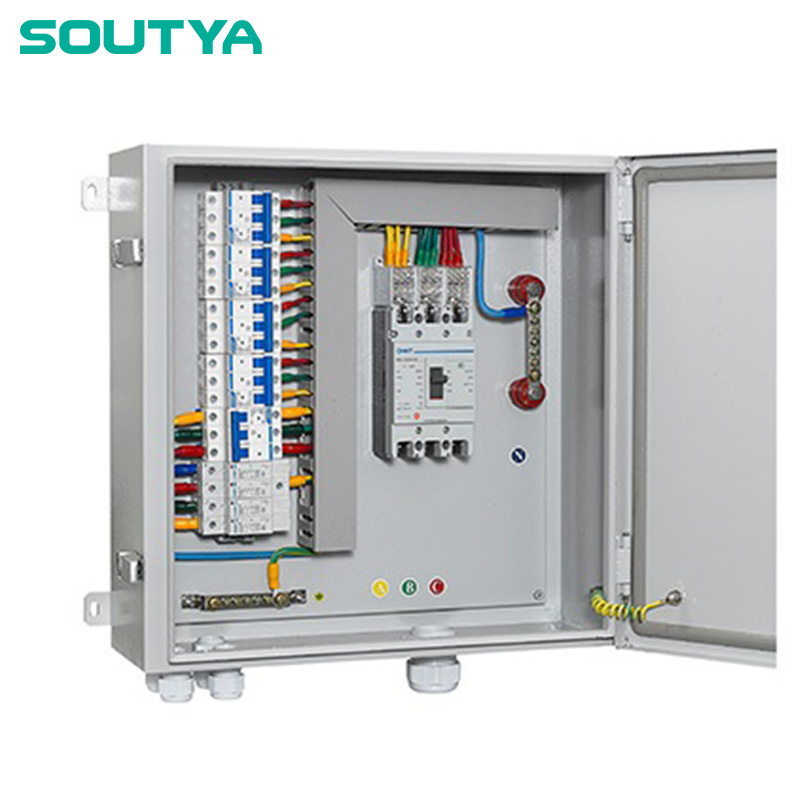
A solar array usually contains multiple strings, and those strings need to be collected in an orderly way before power is sent onward to the inverter or the next stage of the DC system. DC Combiner Boxes gather these parallel inputs, integrate electrical protection, and create a cleaner path for power transmission and maintenance.
In plain language, a combiner box helps turn scattered string wiring into a manageable electrical node. Instead of leaving each string to be handled separately in a less controlled way, the box brings structure to the DC side. That structure matters because solar projects are expected to operate outdoors, often for many years, under heat, dust, moisture, UV exposure, and electrical stress.
When buyers underestimate this product, they often assume it is only a metal enclosure with terminals inside. In reality, it can affect protection coordination, shutdown efficiency, inspection speed, wiring neatness, and even the confidence technicians feel when servicing the system later.
Most buyers are not worried about one single part. They are worried about what happens when many details go wrong together. On the DC side, those details usually involve protection mismatch, poor cable management, inadequate isolation, unreliable sealing, and slow fault identification.
The most common concerns we hear in the market look like this:
These are reasonable questions. A buyer is not simply purchasing hardware; they are trying to avoid downtime, rework, callbacks, and reputational damage. In competitive solar markets, those hidden costs can hurt more than the initial equipment price.
| Buyer Pain Point | What It Causes on Site | How a Better Combiner Box Helps |
|---|---|---|
| Messy string collection | Longer installation time and higher wiring error risk | Provides organized input routing and labeled connection points |
| Weak DC protection | Greater exposure to overcurrent, surge, or fault propagation | Integrates fuse, isolator, SPD, and optional arc-fault protection |
| Poor enclosure quality | Water ingress, corrosion, premature field failure | Supports stronger environmental protection and stable outdoor use |
| Difficult maintenance | Slow diagnosis and longer downtime | Makes string-level inspection and service more efficient |
| Unclear project matching | Overdesign or underdesign, both of which cost money | Allows configuration by voltage, project scale, and application type |
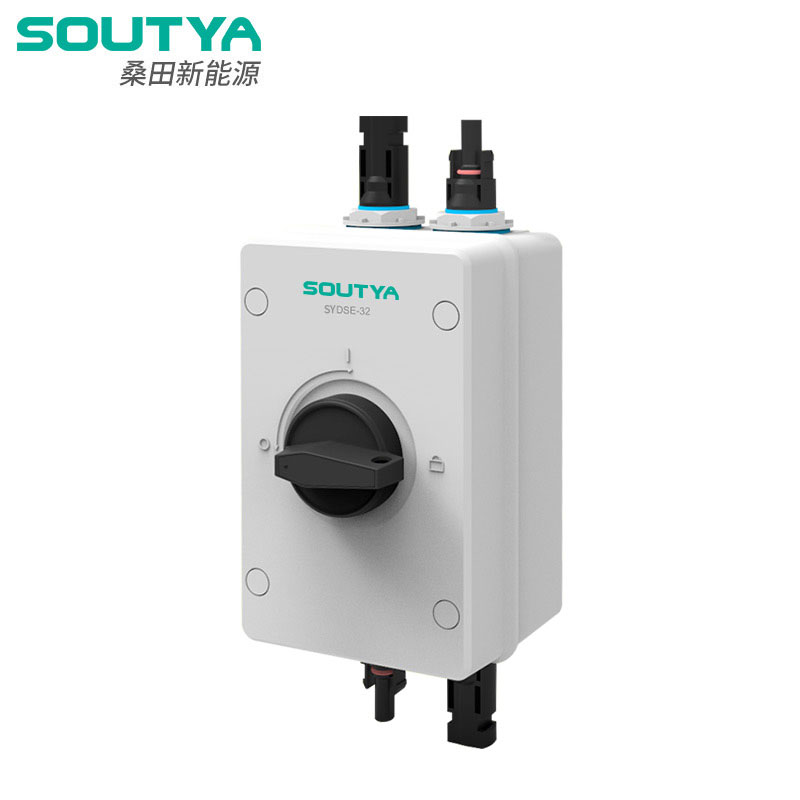
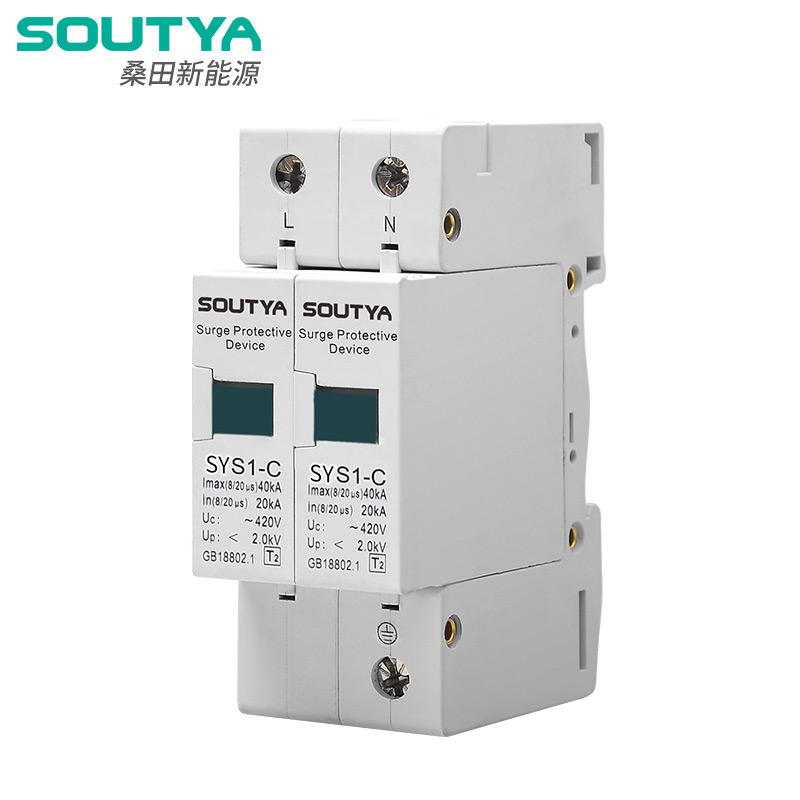
Buyers should look inside the box before they judge the box. A reliable product is defined by component logic, not by a polished cover alone. Different projects require different internal arrangements, but most high-value solutions revolve around a few essential elements.
Not every project needs the same feature depth. A residential rooftop installation may prioritize compactness and installation simplicity, while a larger commercial or utility-scale site may care more about monitoring, higher voltage adaptation, and more structured maintenance access.
That is why specification matching matters more than generic marketing language. A buyer should not be pushed toward the most complicated box by default. The right choice is the one that matches the project’s electrical architecture, service expectations, and local environment.
Safety is where DC Combiner Boxes prove their value fastest. DC faults are often more difficult to ignore than AC issues because arcs can persist and shutdown behavior must be managed carefully. A well-designed combiner box creates a controlled point for isolation and protection before problems spread downstream.
In real projects, the safety value usually appears in five ways:
Safety in solar systems is rarely about one dramatic event. More often, it is about preventing a chain of small oversights from accumulating into a costly incident. A strong combiner box interrupts that chain.
Buyers sometimes focus so much on protection that they forget operations. But system owners live with a project long after installation. That means maintainability is not a luxury. It is part of performance.
Good DC Combiner Boxes contribute to smoother operation because they create a known and organized service point. When technicians need to inspect string behavior, isolate a section, or replace a failed device, the work becomes more straightforward.
The benefits show up in daily project reality:
That last point matters more than many buyers realize. A product that looks acceptable on delivery can still become a burden if it creates confusion during commissioning. A better combiner box is one that keeps making sense after the contractor has left the site.
| Project Goal | Why the Combiner Box Matters | Expected Practical Benefit |
|---|---|---|
| Stable system uptime | Protection and organized collection reduce fault escalation | Less unexpected interruption |
| Fast commissioning | Clear layout and labeling simplify inspection | Quicker handover to operation |
| Low maintenance friction | Defined isolation and service access points | More efficient field work |
| Long-term asset confidence | Enclosure quality and component matching support durability | More predictable lifecycle performance |
Not every solar project should use the same specification. That is one of the biggest mistakes in purchasing. A box that fits a compact rooftop system may be a poor choice for a large open-site installation, while an oversized utility-style solution can be unnecessarily expensive for a smaller job.
Buyers usually benefit from separating projects into broad categories:
Voltage selection also matters. In solar projects, system architecture may call for different DC voltage classes, so buyers should confirm the box is designed for the real operating framework rather than selected by habit. The right decision depends on the whole project logic, not just the component catalog.
This is where supplier guidance becomes valuable. A good manufacturer does not only say yes to a request. They ask the questions that help the buyer avoid ordering the wrong thing.
If you want fewer surprises on site, evaluate the product with a checklist. This is especially useful when comparing several suppliers whose brochures all seem to promise the same thing.
A careful buyer does not select DC Combiner Boxes by price alone. The true question is whether the product reduces project risk. If a slightly lower price results in unclear internal arrangement, poor support, or weaker enclosure integrity, the cost advantage disappears quickly.
The supplier matters because even a reasonable product concept can be weakened by inconsistent assembly, vague documentation, or weak communication. Buyers often remember field stress more vividly than factory promises. That is why the partner behind the box deserves as much attention as the box itself.
In our experience, the most trustworthy suppliers do a few things well:
Zhejiang Soutya New Energy LLC serves buyers who need more than a catalog line. When a project requires practical matching across protection, enclosure performance, voltage level, and installation reality, that engineering mindset matters. It helps buyers move from “Can this box be supplied?” to “Will this box actually work well in our project?”
That shift is important. The first question is easy. The second question is the one that saves money.
Its main purpose is to collect multiple PV strings into one organized output path while integrating protective and isolation functions that make the DC side safer and easier to manage.
Not every layout needs the same configuration, but many multi-string systems benefit from DC Combiner Boxes because they simplify collection, protection, and maintenance. The need depends on system architecture and project scale.
Compare voltage suitability, internal component logic, enclosure durability, customization capability, documentation quality, and how clearly the supplier communicates technical details before production.
Because a product is judged not only when it is installed, but also when it must be inspected or repaired. A box that is easy to understand and service can reduce downtime and technician frustration.
Yes. Organized cable routing, better protection integration, and clearer service points all contribute to a cleaner and more reliable installation standard, which affects both performance and client confidence.
Solar buyers are under pressure to deliver systems that are safe, efficient, and dependable over time. That pressure does not disappear after procurement. It stays through installation, commissioning, maintenance, and every service event that follows. That is why DC Combiner Boxes deserve serious attention.
The right box helps organize the DC side, strengthen protection, reduce confusion, and support faster troubleshooting. It can also improve how confidently a team installs and maintains the project years later. For buyers who care about long-term value rather than short-term appearances, that makes the product far more important than it may seem at first glance.
If you are evaluating DC Combiner Boxes for a residential, commercial, or utility-scale solar project, Zhejiang Soutya New Energy LLC is ready to support your next step with practical product matching and responsive technical communication. If you want a solution that aligns with real project conditions instead of generic promises, contact us and let’s discuss the right configuration for your application.

Jack
Soutya