News

1500V DC Firefighter Safety Switch: Essential Application Scenarios for Solar and Storage

2026-06-04 0 Leave me a message

As solar photovoltaic (PV) and battery energy storage systems (BESS) scale up to higher voltages, the 1500V DC architecture has become a standard for commercial and utility-scale installations. While higher voltage improves efficiency, it also introduces greater electrical hazards for emergency responders. A 1500V DC firefighter safety switch provides a manual, local means to de-energize DC circuits, enabling safe access during firefighting or maintenance. This article explores the key application scenarios for these devices and what buyers should consider when selecting them.

What is a 1500V DC firefighter safety switch and why is it needed?

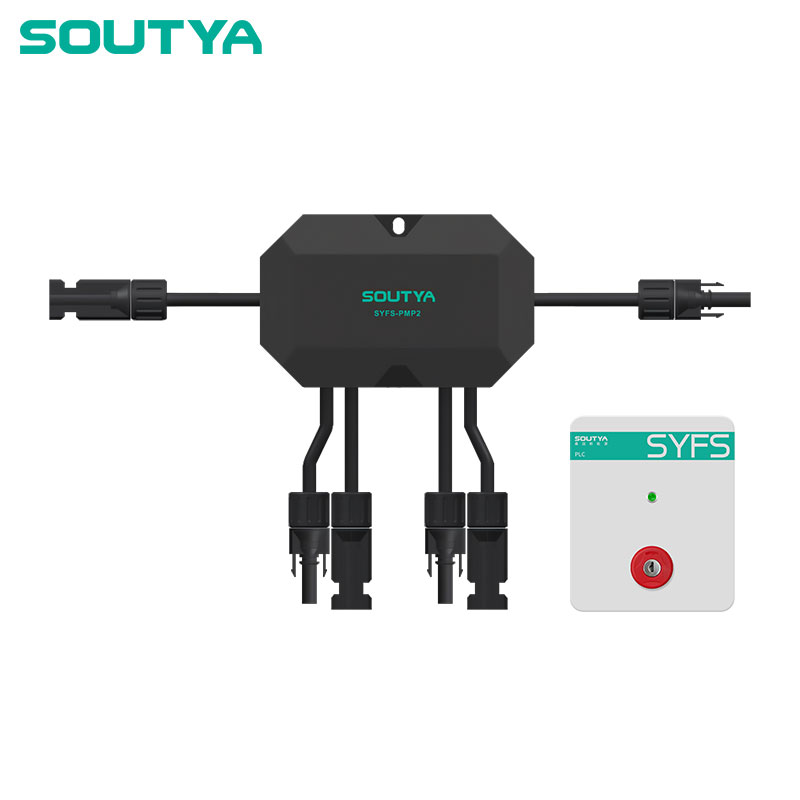
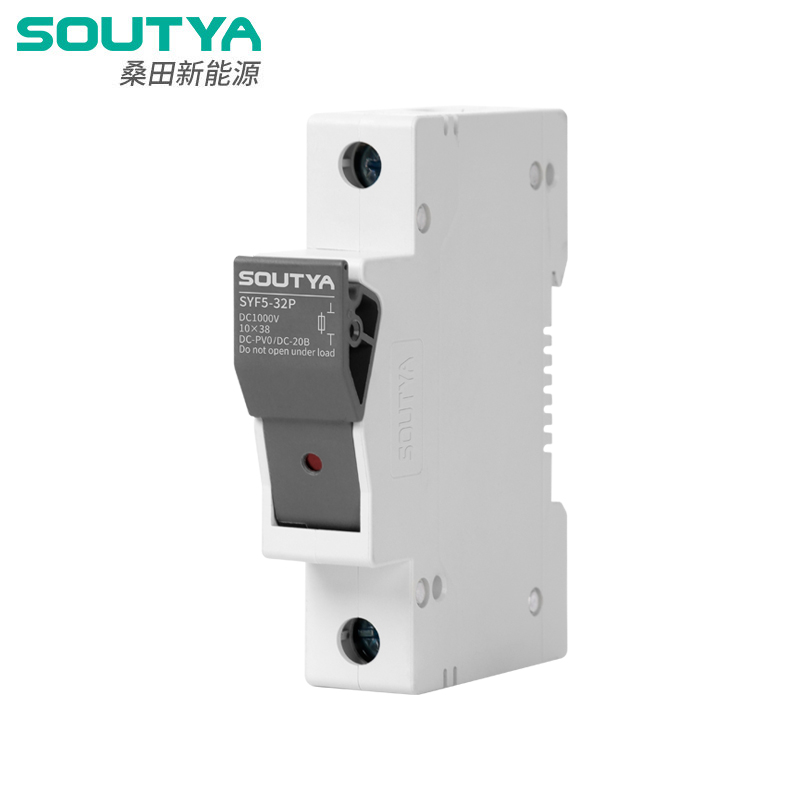
A 1500V DC firefighter safety switch is a manually operated disconnecting device rated for 1500 volts direct current, specifically designed for quick shutoff of PV arrays or battery banks. Unlike standard DC disconnects, these switches often include features such as visible break indication, lockout/tagout (LOTO) capability, and compliance with rapid shutdown requirements defined in codes like the National Electrical Code (NEC) Article 690.12. The primary need arises because firefighting personnel face risks from energized DC conductors that may remain live even after inverter or battery management system shutdown. A dedicated safety switch placed at strategic locations allows first responders to verify de-energization before entering the hazard zone.

Where are 1500V DC firefighter safety switches typically installed?

Common application scenarios include:

  • On the DC side of string inverters – at the inverter input or in combiner boxes to isolate the PV array.
  • At battery energy storage units – between the battery rack and the inverter for safe maintenance.
  • At rooftop PV array access points – near the entry to the roof or along the DC cable route to cut off power before fire crews climb.
  • At containerized storage systems – on the exterior of the container for remote emergency shutdown.
  • In large-scale solar farms – at zone boundaries to isolate portions of the array.

Proper placement ensures that the switch is accessible, visible, and within 30 feet (9 m) of the PV array perimeter as recommended by NEC 690.12.

How do these switches meet safety standards for rapid shutdown?

The 1500V DC firefighter safety switch must comply with several international and regional standards. Key references include IEC 60947-3 for low-voltage switchgear and UL 1741 for inverters, converters, and disconnects. In the United States, NFPA 70 (NEC) Article 690.12 requires rapid shutdown systems to reduce the voltage inside the array boundary to 80V or less within 30 seconds. While the safety switch itself does not replace the entire rapid shutdown system, it provides a manual backup that can be used by firefighters when electronic systems fail. Additionally, switches should carry a clear marking such as “PHOTOVOLTAIC DC DISCONNECT” and be rated for the full system voltage.

What key features should buyers evaluate when selecting a firefighter safety switch?

When procuring a 1500V DC firefighter safety switch, consider:

  • Voltage rating – Must be at least 1500V DC with proper clearance and creepage distances.
  • Current rating – Based on the string or total current; typically 15A to 63A per pole.
  • Breaking capacity – Adequate for the maximum short-circuit current of the PV array or battery.
  • Number of poles – Usually one or two poles; two-pole switches provide faster isolation of both positive and negative conductors.
  • Environmental protection – IP65 or higher for outdoor installation.
  • Visible break indicator – Allows visual confirmation that contacts are open.
  • Lockout/tagout (LOTO) provision – For maintenance safety.
  • Certification marks – UL listed, IEC, CE, or other local approvals.

Buyers should request specific short-circuit current ratings from their system designer to ensure the switch can safely interrupt fault current.

How can the switch integrate with existing PV and battery systems?

Integration requires coordinating with the system’s DC voltage, current, and fault characteristics. In new installations, the switch is typically placed in the DC cable path between the PV combiner box or battery rack and the inverter. For retrofits, it can be added inline using appropriate junction boxes. Manufacturers like Soutyae offer modular designs that can be mounted on DIN rails or enclosures. It is important to verify that the switch is rated for the same voltage class as the system (1000V vs 1500V). Additionally, communication with the inverter or charge controller may be needed if the safety switch includes a remote trip feature, but manual operation remains the primary function for firefighter use.

FAQ

Q: Can a 1500V DC firefighter safety switch replace the existing PV disconnect?
A: Not necessarily. The safety switch is additional to the main disconnect. It serves as a local, manual point for first responders. The main disconnect may still be required per code for service personnel.

Q: Are these switches required by all local codes?
A: Many jurisdictions now mandate rapid shutdown. A firefighter safety switch satisfies part of that requirement, but check local amendments to NFPA 70 and any state-specific regulations.

Q: What maintenance do these switches need?
A: Periodic visual inspection and operation under no-load conditions to ensure contacts are clean. In dusty or corrosive environments, more frequent checks are recommended.

Q: Can the switch be used indoors and outdoors?
A: Models with appropriate IP ratings (e.g., IP65) can be used outdoors. Indoor installations may require lower IP but still need protection from accidental contact.

Conclusion

The 1500V DC firefighter safety switch is a critical component for modern solar and storage systems, providing a reliable manual shutdown point that meets rapid shutdown codes and protects emergency responders. By understanding the key application scenarios and technical features, procurement teams can select the right switch for each project. Always refer to the latest edition of NFPA 70 (NEC) and IEC 60947-3 for design and installation guidelines.

Related News
Leave me a message
X
We use cookies to offer you a better browsing experience, analyze site traffic and personalize content. By using this site, you agree to our use of cookies. Privacy Policy
Reject Accept