News

How to Choose a Reliable External DC Isolator Switch for PV Systems

2026-08-20 0 Leave me a message

An external DC isolator switch is a mandatory safety component in photovoltaic (PV) installations. It disconnects DC circuits under load, enabling safe maintenance and rapid shutdown. This guide explains the functional role, selection criteria, and compliance requirements for external DC isolator switches, with a focus on Soutya's external DC isolator switch as a practical solution for engineers and project buyers.

Table of Contents

  • What Is an External DC Isolator Switch?
  • Why Do PV Systems Need a DC Isolator Switch?
  • How to Choose the Right External DC Isolator Switch?
  • Which Standards Govern DC Isolator Switch Performance?
  • What Features Should You Verify in a Soutya DC Isolator Switch?
  • Asked Questions

Key Points

  • DC isolator switches break load current without forming an arc that persists.
  • External mounting protects sensitive components from direct heat and voltage stress.
  • Selection depends on rated voltage, current, IP rating, and number of poles.
  • Compliance with IEC 60947-1 and GB/T 14048.1 ensures reliable operation.
  • Soutya offers an external DC isolator switch designed for demanding PV installations.

What Is an External DC Isolator Switch?

An external DC isolator switch is a manually operated switching device installed in the DC circuit of a photovoltaic system. Unlike AC breakers, it is engineered to interrupt direct current, where the absence of a natural zero-crossing creates a sustained electric arc. The switch's internal arc-extinguishing system quenches that arc within an enclosed chamber, protecting both the operator and the downstream equipment.

The term “external” refers to the mounting location: on the outside of an inverter, combiner box, or battery cabinet. This placement allows quick access for maintenance crews without opening an energized enclosure. It also keeps the heat generated during switching away from sensitive electronics.

Note: An external DC isolator switch is not a circuit breaker. It provides manual load switching and isolation, not automatic fault protection.

Why Do PV Systems Need a DC Isolator Switch?

PV arrays generate DC voltage whenever sunlight hits the panels. Even after the inverter is turned off, the DC wiring remains live. That creates a serious hazard for maintenance personnel, first responders, and equipment. A DC isolator switch creates a visible and verifiable break between the array and the inverter, making the system safe to service.

Many national electrical codes now mandate DC isolation on both the positive and negative poles. For example, the IEC 60947-1 standard for low-voltage switchgear defines the operational and performance requirements for such isolating equipment. Without a compliant isolator switch, a PV installation may fail inspection and void insurance coverage.

Beyond compliance, a high-quality external DC isolator switch reduces the risk of electrical fires caused by loose connections, moisture intrusion, or arcing faults. It also allows rapid shutdown in emergencies, a key feature for commercial rooftops and utility-scale plants.

How to Choose the Right External DC Isolator Switch?

Selecting an external DC isolator switch requires matching the device to the PV array's electrical characteristics and environmental conditions. Key parameters include:

  • Rated DC voltage: Must exceed the maximum open-circuit voltage of the array, 600V, 1000V, or 1500V.
  • Rated current: Should be equal to or greater than the short-circuit current of the PV string times a safety factor.
  • Number of poles: Double-pole switching isolates both positive and negative conductors.
  • IP protection: External units require IP65 or IP66 to resist rain, dust, and UV exposure.
  • Arc-fault handling: The switch must have a certified breaking capacity for DC loads.

Below is a comparison of typical external DC isolator switch configurations used in PV systems.

Rated VoltageRated CurrentPolesTypical ApplicationIP Rating
600V DC16A–32A2P / 4PResidential string invertersIP65
1000V DC16A–63A2P / 4PCommercial and industrial PVIP66
1500V DC20A–40A4PUtility-scale power plantsIP66

The external DC isolator switch from Soutya covers the 1000V segment with an IP66-rated enclosure, making it suitable for both residential and commercial installations.

Which Standards Govern DC Isolator Switch Performance?

Manufacturers must design external DC isolator switches to comply with international and national standards. The most relevant are:

  • IEC 60947-1 – Low-voltage switchgear and controlgear: general rules. This standard outlines the service conditions, construction requirements, and testing methods for isolating switches.
  • GB/T 14048.1-2019 – The Chinese equivalent of IEC 60947-1, establishing performance and safety criteria for low-voltage switchgear.
  • IEC 61439-1 – For low-voltage switchgear assemblies, which incorporate external DC isolator switches as individual components.

Certification to these standards verifies that the switch can handle continuous current, withstand short-circuits, and safely extinguish DC arcs. Engineers should request the manufacturer's test certificates before approving any external DC isolator switch for a project.

What Features Should You Verify in a Soutya DC Isolator Switch?

Soutya's external DC isolator switch is built for reliability in harsh PV environments. The following features are worth verifying when evaluating this product for a project:

  • Double-break contact design – Each pole has two breaking points, which reduces arc energy and extends contact life.
  • High-grade dielectric housing – Provides insulation resistance and protects against UV degradation.
  • Clear ON/OFF indication – Enables visual inspection from a distance, improving operator safety.
  • Box-in-box or external mounting options – Allows flexible installation on conduit or enclosure walls.
  • Rated for both positive and negative pole switching – Ensures full DC circuit isolation during maintenance.

These features align with the performance expectations described in the IEC 60947-1 standard and the GB/T 14048.1 standard, which emphasize dielectric strength, temperature rise limits, and mechanical endurance.

Asked Questions

What is the difference between a DC isolator and a DC circuit breaker?

A DC isolator switch is a manual device that provides a visible disconnection point for safe servicing. Its only function is to isolate the circuit. A DC circuit breaker, on the other hand, automatically interrupts current during overloads or short circuits. They serve different purposes and are not interchangeable.

Can an AC rated switch be used for DC PV circuits?

No. AC switches rely on the natural zero crossing of alternating current to extinguish the arc. DC current has no zero crossing, so an AC-rated switch will sustain a severe arc, leading to contact welding or fire. Always use a switch explicitly certified for DC use.

How many poles should an external DC isolator switch have?

For most PV systems, a double-pole (2P) switch is required to isolate both the positive and negative conductors. Four-pole (4P) versions are used in systems with dual strings or when battery banks need isolated positive, negative, and earth connections. The selection depends on the inverter topology and local wiring regulations.

What does IP66 rating mean for an external DC isolator?

IP66 means the switch is dust-tight and protected against powerful water jets. This rating is essential for outdoor installations where the switch is exposed to rain, dust, or hose-down cleaning. Soutya's external DC isolator switch meets this requirement.

Specify the Right External DC Isolator Switch for Your Project

Choosing a reliable external DC isolator switch is a safety decision, not a component purchase. For PV systems up to 1000V DC, the Soutya external DC isolator switch provides robust arc extinction, IP66 protection, and compliance with international standards. Contact Soutya for detailed specifications and a quotation tailored to your installation.

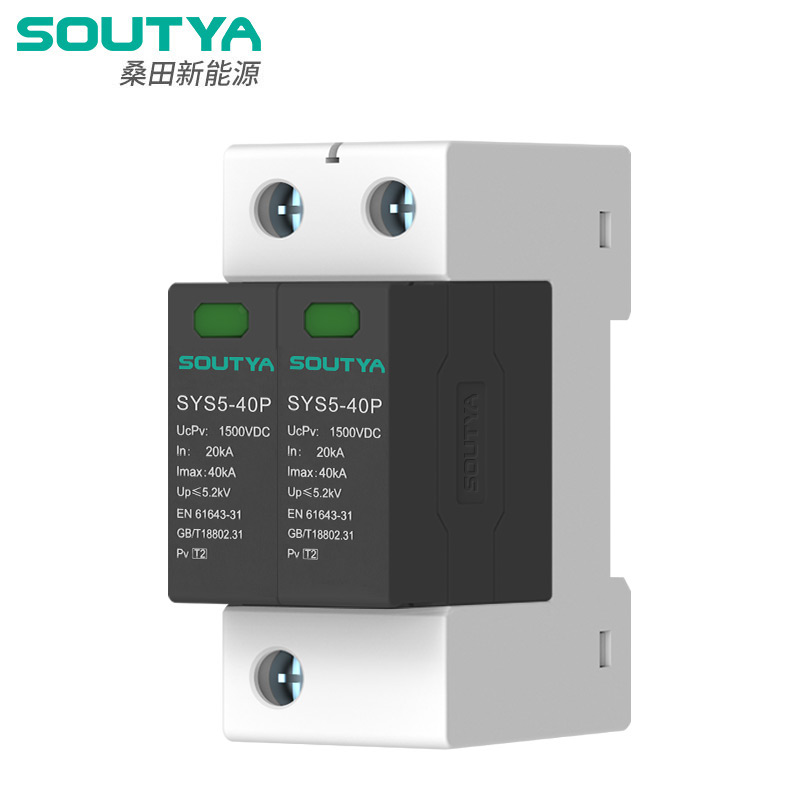
Soutya external DC isolator switch for PV systems

References

[1] IEC 60947-1. Low-voltage switchgear and controlgear - Part 1: General rules [S]. 2020.

[2] GB/T 14048.1-2019. Low-voltage switchgear and controlgear - Part 1: General rules [S]. 2019.

[3] Aging Characteristics of Contact Electrodes of Low Voltage DC Switches. Energies, 2021, 14(20): 6838.

Related News
Leave me a message
X
We use cookies to offer you a better browsing experience, analyze site traffic and personalize content. By using this site, you agree to our use of cookies.Privacy Policy
RejectAccept