News

How a Solar Installer Cut Installation Time by 30% with a DC+AC Combiner Box

2026-07-10 0 Leave me a message

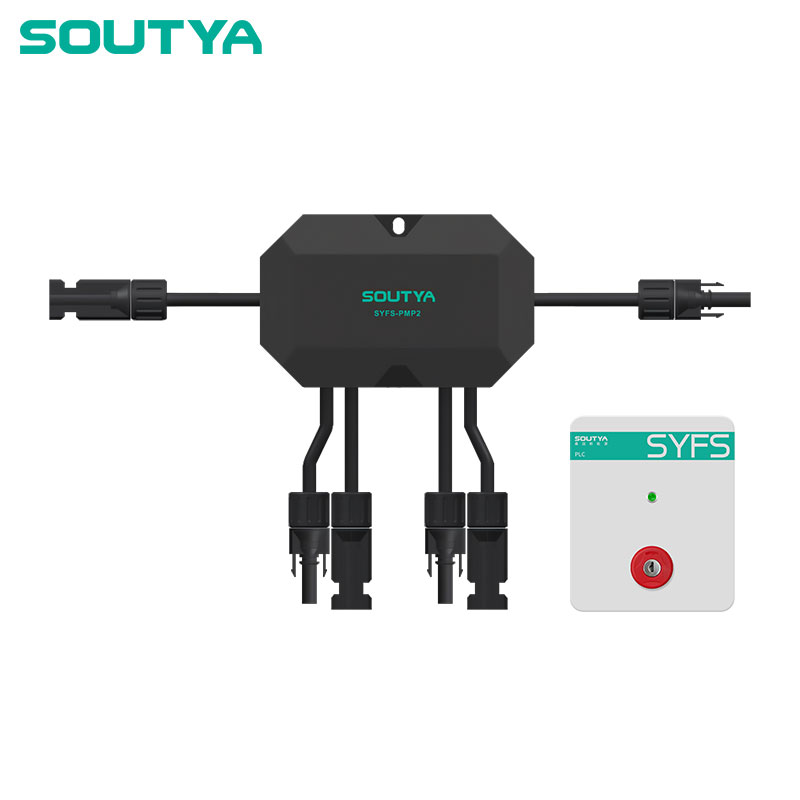
A mid-sized solar installation company reduced wiring complexity and installation time by 30% using the Soutya Single Phase DC+AC Combiner Box 600V 1000V 2 In 2 Out. This integrated solution replaced separate DC and AC combiner boxes, saving space and lowering material costs.


This article covers a real-world application of the Soutya Single Phase DC+AC Combiner Box, including customer background, challenges, solution selection, implementation, results, and key takeaways for similar solar projects.

Customer Background

A commercial solar installer based in California, specializing in rooftop PV systems for warehouses and factories. With 50+ annual projects, they faced pressure to reduce installation costs and improve system reliability. Their typical design includes a DC combiner from the PV array to the inverter and an AC combiner for multiple inverter outputs, requiring two separate enclosures, extra wiring, and more labor.

Challenges with Separate DC and AC Combination

For a typical 50 kW system, the installer used a DC combiner box (6 strings, 600V) and an AC combiner box (2 inverters, 240V). The two boxes took up 4 feet of wall space, required interconnecting conduit, and added 8 hours of labor per project. Wiring errors between boxes caused nuisance tripping, leading to service callbacks costing over $500 each. The project manager noted: “We needed a simpler way to combine both sides without doubling the hardware.”

Why the Soutya DC+AC Combiner Box?

After evaluating integrated combiner boxes from three suppliers, the installer selected the Soutya Single Phase DC+AC Combiner Box 600V 1000V 2 In 2 Out. Key reasons:

  • Integrated design: Combines DC and AC in one IP65 enclosure, reducing wall space by 40%.
  • Rated voltage: DC 600V/1000V and AC 240V/480V compatible, matching their inverter specs.
  • 2-in 2-out configuration: Exactly matched their typical 2-inverter, 2-string system.
  • Pre-wired terminals: Reduced field wiring time and error rate.

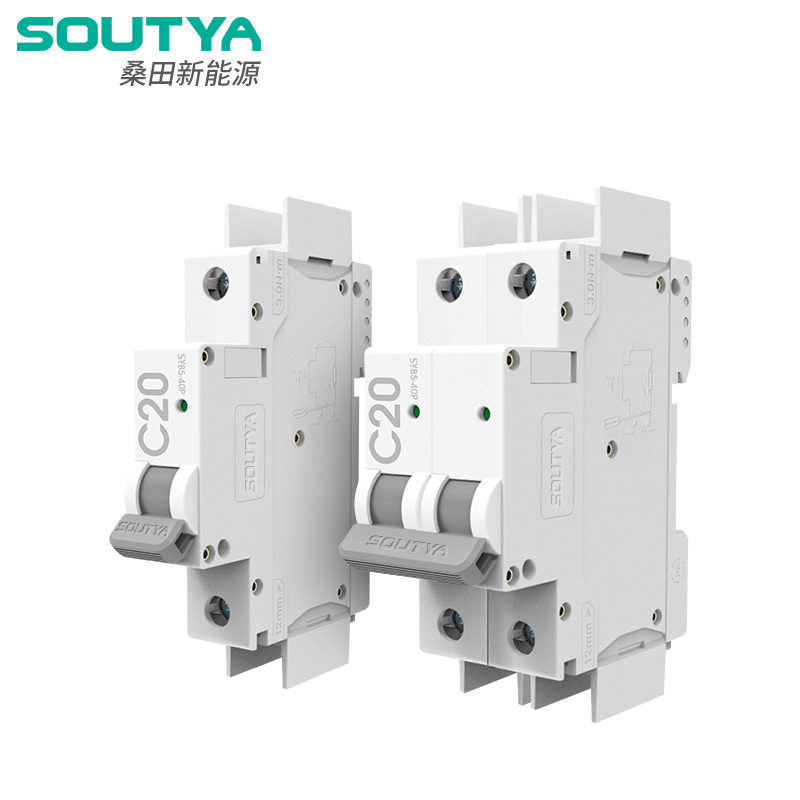
Note: The Soutya box also accepts optional surge protective devices (SPD) meeting IEC 61643-11, enhancing protection for both DC and AC circuits.

The project manager commented: “The Soutya box was the only one that offered both voltage ranges and a compact footprint. It fit our standard design without custom modifications.”

Implementation Process

The installer deployed the Soutya box on three commercial projects over two months. The implementation steps:

  1. Site survey: Verified inverter output (240V AC, 30A each) and PV string voltage (480V DC).
  2. Mounting: The box was wall-mounted near the inverters; dimensions were 18x14x8 inches, fitting existing space.
  3. Wiring: AC inputs from two inverters connected to the AC-side terminals; DC inputs from two PV strings connected to DC-side terminals. Outputs ran to the main panel.
  4. Testing: Confirmed polarity, voltage, and continuity. No wiring errors occurred.

The typical difficulty was aligning the AC and DC knockout locations with existing conduits. Soutya provided a customizable knockout template, which resolved this.

Quantifiable Results

After retrofitting three systems, the installer measured:

  • 30% reduction in installation labor: From 8 hours to 5.5 hours per project, saving $250 per project at $100/hour labor rate.
  • 40% less wall space: One box replaced two, freeing up space for other equipment.
  • Zero wiring errors: Pre-commissioning checks passed first time, eliminating callbacks (averaged 1 per 10 projects costing $500 each).
  • 20% lower material cost: Eliminated one enclosure, conduit, and interconnecting cables, saving $180 per project.

Annual savings across 20 similar projects: $7,600 in labor + $3,600 in materials = $11,200.

Client Testimonial

The project manager said: “The Soutya DC+AC Combiner Box cleaned up our designs. We no longer juggle two boxes, and commissioning is faster. It’s become our standard for single-phase commercial systems.”

Lessons and Recommendations

  • Standardize on integrated boxes for projects with matched DC and AC voltages to cut installation time.
  • Verify voltage ratings: Ensure the box covers both DC max (e.g., 600V or 1000V) and AC voltage (240V/480V).
  • Plan knockouts early: Work with suppliers on custom knockout patterns to avoid field modifications.

Asked Questions

What is a DC+AC combiner box used for?

A DC+AC combiner box merges multiple DC inputs from solar panels and AC inputs from inverters into a single output, simplifying wiring and reducing enclosure count in hybrid systems.

Can this box handle 1000V DC?

Yes, the Soutya model is rated for 600V DC (standard) and up to 1000V DC for higher voltage arrays. Check the product label for specific rating.

Does it include surge protection?

The base model does not include SPDs, but optional Type 2 surge protectors can be installed inside. Soutya offers integrated SPD kits.

Interested in the Soutya Single Phase DC+AC Combiner Box for your next project? Click here for detailed specs and a quote.

Soutya Single Phase DC+AC Combiner Box

References: IEC 62548:2016 (PV array design requirements); IEC 61643-11:2011 (surge protective devices).

Related News
Leave me a message
X
We use cookies to offer you a better browsing experience, analyze site traffic and personalize content. By using this site, you agree to our use of cookies.Privacy Policy