News

Why Choose a 1000V DC Combiner Box 2 In 2 Out MCB Type for Your Solar System

2026-06-29 0 Leave me a message

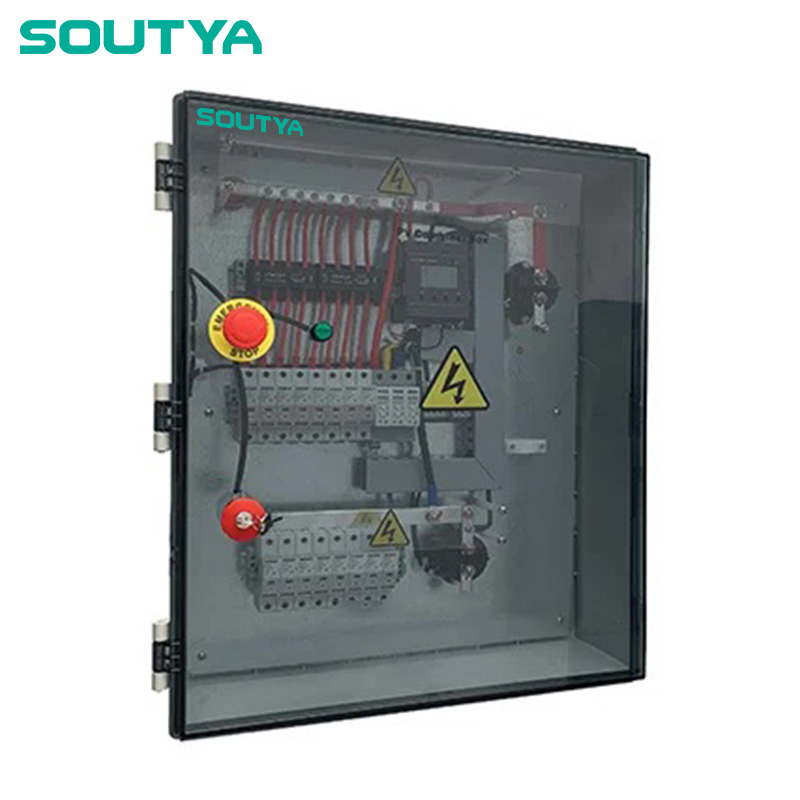
A reliable DC combiner box is essential for safe and efficient solar power systems. The 1000V DC Combiner Box 2 In 2 Out MCB type from Soutya offers precise overcurrent protection with MCBs, designed for commercial and industrial PV arrays. This article explains why this configuration matters and how it addresses common installation challenges.

Table of Contents

  • What is a 1000V DC Combiner Box and Why Does It Matter?
  • How Does the 2 In 2 Out MCB Configuration Work?
  • Which Problems Does a Quality DC Combiner Box Solve?
  • How to Choose the Right DC Combiner Box for Your Project?
  • Asked Questions

Outline

  1. Understanding the 1000V DC combiner box role in solar systems
  2. Technical breakdown of 2 inputs and 2 outputs with MCB protection
  3. Common issues with poor-quality combiner boxes (overheating, arc faults, maintenance)
  4. Selection criteria: voltage rating, protection type, enclosure, certifications
  5. FAQ addressing real buyer concerns

What is a 1000V DC Combiner Box and Why Does It Matter?

A 1000V DC combiner box consolidates multiple PV string outputs into a single bus, reducing wiring complexity and cost. The 2 in 2 out MCB type accepts two string inputs and provides two protected outputs, each with a miniature circuit breaker (MCB) for overcurrent protection. This design is common in small to medium commercial installations where space and simplicity are priorities.

Operating at 1000V DC requires components that handle higher arc voltage compared to lower voltage systems. The MCB must be DC-rated to ensure reliable interruption. Soutya's 2 in 2 out combiner box meets this requirement, offering a compact solution for rooftop and ground-mount arrays.

Note: Always verify that the DC combiner box is certified for the maximum system voltage and current per local codes (e.g., IEC 62548 for PV array design). Using an underrated box can lead to catastrophic failures.

How Does the 2 In 2 Out MCB Configuration Work?

The 2 in 2 out topology means two PV strings enter the box, are combined through a busbar, and then split into two output circuits, each protected by a dedicated MCB. This arrangement allows for independent disconnection and fault isolation. If one string develops a short circuit, the MCB trips only that branch, while the other string continues to supply power (provided the inverter is designed for partial input).

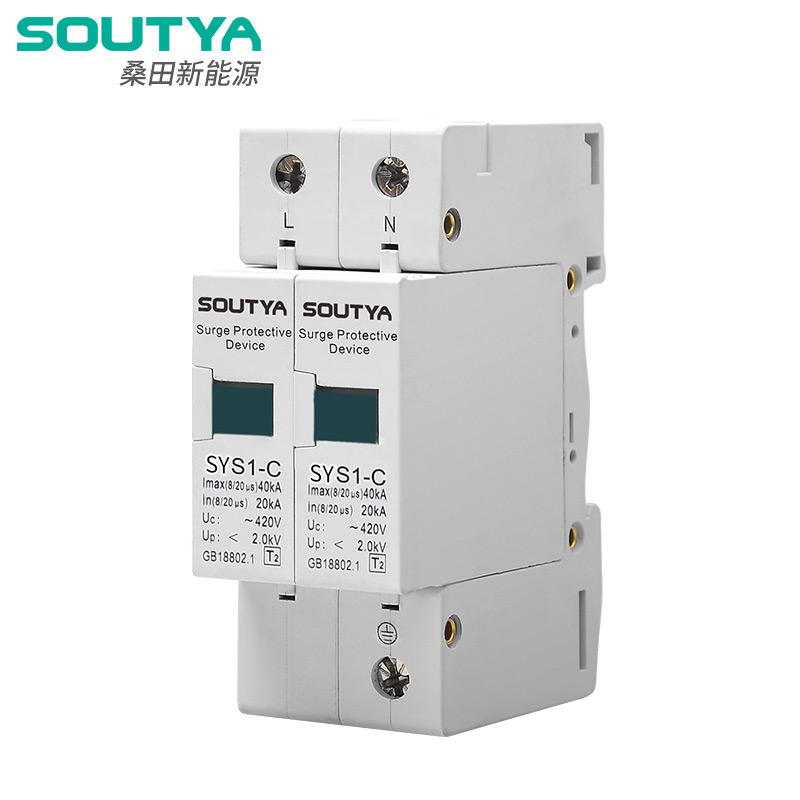
The MCBs used in this MCB combiner box are DC-curve breakers, capable of quenching the DC arc in milliseconds. They protect cables and inverter inputs from overcurrents caused by string faults or reverse currents. The box also includes surge protective devices (SPDs) for lightning protection, though the base model may omit them – check specification.

Which Problems Does a Quality DC Combiner Box Solve?

Poor combiner boxes cause three main headaches:

  • Overheating: Undersized busbars or poor connections increase resistance, leading to heat buildup. A 1000V DC combiner box must have proper conductor sizing and thermal management.
  • Arc faults: DC arcs do not self-extinguish. Inadequate MCB or wiring can sustain an arc, causing fire. UL 1699B addresses DC arc-fault protection for PV systems. Soutya's MCB design helps mitigate this risk.
  • Difficult maintenance: Without clear labeling and accessible breakers, technicians waste time and may make errors. A 2 in 2 out layout simplifies troubleshooting.

By using a dedicated DC combiner box 2 in 2 out, installers avoid these issues and ensure long-term reliability.

How to Choose the Right DC Combiner Box for Your Project?

Consider these factors when selecting a 1000V DC combiner box:

  • Voltage rating: Must exceed the maximum system voltage, including temperature correction. 1000V is standard for many commercial panels.
  • Enclosure: Outdoor installations require IP65 or higher. Indoor can be IP20. Check material – polycarbonate or steel.
  • Protection devices: MCB type (DC) with appropriate breaking capacity. Some boxes offer fuse options; MCB provides resettable protection.
  • Certifications: IEC 62548, IEC 61643-11 for SPD, and local standards such as UL or CE.
Feature1000V 2 In 2 Out MCB BoxTypical Fuse Box
Overcurrent deviceDC MCB (resettable)DC fuse (replaceable)
Protection after tripManual reset, reusableMust replace fuse
Short-circuit breaking capacity≥10 kA (typical)Depends on fuse
EnclosureIP65, UV resistantVaries

Soutya's 1000V DC combiner box 2 in 2 out MCB type is a reliable choice for projects needing a balance of protection and ease of use. Its compact design saves space while maintaining robust performance.

Asked Questions

Q1: Can I use this combiner box for a single string system?
Yes, you can use only one input and one output; the other can be left unused or capped. However, it's designed for two strings.

Q2: Does the MCB type box include SPD protection?
The base model does not include SPDs. Check the specific product page or configure it as an option. Contact Soutya for customizations.

Q3: What is the maximum current per input?
It depends on the MCB rating. Standard versions offer 10A or 16A per input. Verify with the datasheet.

Q4: Is it suitable for 1500V systems?
No, this box is rated for 1000V DC maximum. For 1500V, you need a different product.

Conclusion

A 1000V DC combiner box 2 in 2 out MCB type from Soutya provides reliable string consolidation and overcurrent protection for commercial PV systems. Its MCB protection simplifies maintenance and improves safety compared to traditional fuse solutions. For your next project, consider this box to reduce installation complexity and ensure long-term performance.

Explore the full specifications and request a quote at the Soutya product page. We offer customization to match your exact needs.

1000V DC Combiner Box 2 In 2 Out MCB type from Soutya

References

[1] IEC 62548:2016 Photovoltaic (PV) arrays — Design requirements.
[2] UL 1699B:2018 Photovoltaic (PV) DC Arc-Fault Circuit Protection.
[3] IEC 61643-11:2011 Low-voltage surge protective devices — Part 11.

Related News
Leave me a message
X
We use cookies to offer you a better browsing experience, analyze site traffic and personalize content. By using this site, you agree to our use of cookies.Privacy Policy
RejectAccept