News

How to Properly Size a DC Combiner Box for Your Solar Panel System

2025-12-16 0 Leave me a message

Have you ever wondered if your solar panel system is performing as efficiently and safely as it should be? As a solar system owner or installer, you’ve likely focused on the panels and inverters. But there’s a critical component that often doesn’t get the spotlight it deserves: the DC combiner box. This unsung hero of your PV array manages the complex flow of power from your panels, ensuring everything runs smoothly and protected. Choosing the wrong one can lead to energy losses, safety hazards, and frustrating system downtime. At Soutya, we understand these pain points intimately. Through years of engineering and field experience, we’ve seen how a correctly sized DC combiner box forms the robust backbone of a reliable solar installation. This guide will walk you through, in a professional yet straightforward manner, exactly how to size this crucial component for your specific needs.

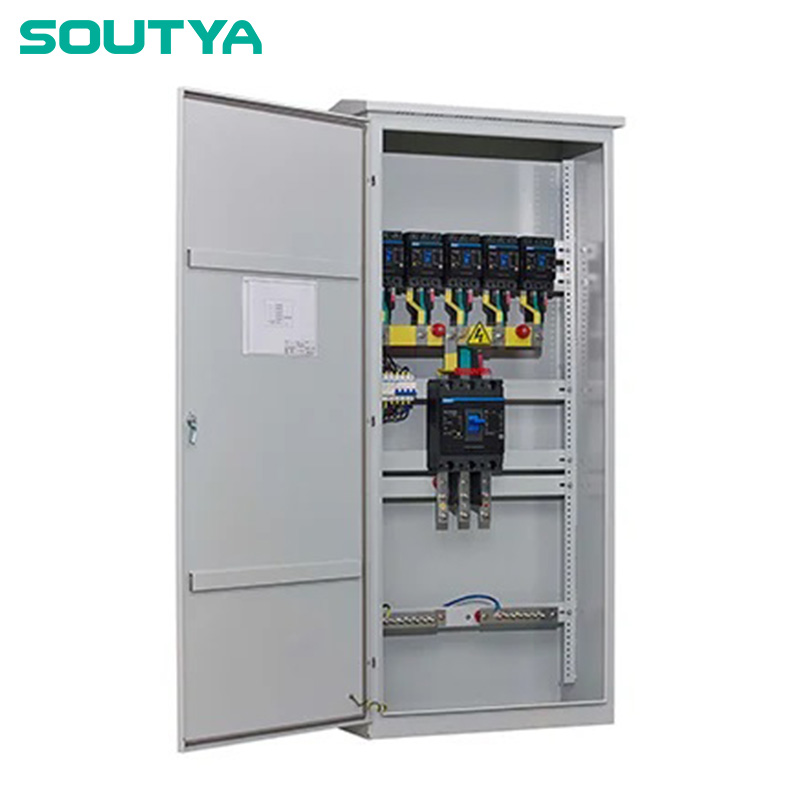
DC combiner boxes

What Exactly Is a DC Combiner Box and Why Does Sizing Matter?

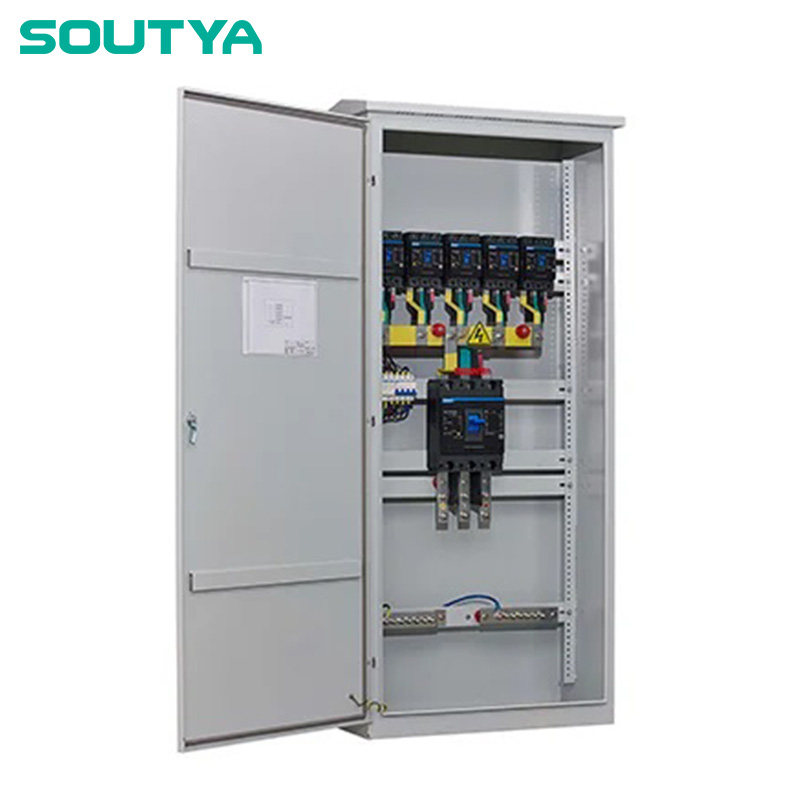
Let’s start with the basics. A DC combiner box is an enclosure mounted between your solar panels and the inverter. Its primary job is to consolidate the output from multiple solar strings (groups of panels connected in series) into a single pair of conductors that feed the inverter. But it does so much more. It houses critical protection devices like fuses or circuit breakers for each string, guarding against dangerous reverse currents and overloads. It also provides a central, safe point for system monitoring, maintenance, and disconnection.

So, why is sizing so critical? An undersized combiner box can overheat, trip protection devices unnecessarily, or even become a fire risk. An oversized box, while safe, means you’ve spent money on capacity you don’t need and taken up more space than necessary. Proper sizing strikes the perfect balance between safety, performance, and cost-effectiveness. It ensures your DC combiner boxes can handle the maximum electrical current and voltage your array produces, both under normal and extreme conditions.

What Key Electrical Parameters Must You Calculate First?

Before you even look at product catalogs, you need to gather some fundamental data from your panel array design. This isn’t as daunting as it sounds. You’ll primarily be working with four key parameters: Maximum Power Current (Imp), Short Circuit Current (Isc), Open Circuit Voltage (Voc), and Maximum System Voltage. These values are found on the datasheet of your solar panels and are influenced by your local temperature.

  • String Current: This determines the amperage rating needed for the input fuses/breakers and the internal busbars. The key value here is the Short Circuit Current (Isc) of a single panel. You then apply safety factors.

  • String Voltage: This determines the voltage rating required for the box components. The critical value is the Open Circuit Voltage (Voc) of a single panel, adjusted for the coldest expected temperature at your site. You multiply the adjusted panel Voc by the number of panels in a single series string.

Let’s simplify this with a practical example. Assume we are using 400W panels with the following specs:

  • Isc = 10.5 A

  • Voc = 40.5 V

  • Temperature Coefficient of Voc = -0.3%/°C

Now, consider a site where the lowest recorded temperature is -10°C, and we have 12 panels per string. The calculation would look like this:

Table 1: Key Electrical Parameter Calculation Example

Parameter Formula / Notes Calculated Value for Our Example
Panels per String Design Decision 12
Lowest Ambient Temp Site-Specific Data -10°C
Voltage Temperature Adjustment Factor 1 + [(Temp Low - STC Temp) * Temp Coefficient] 1 + [(-10 - 25) * -0.003] = 1.105
Adjusted String Voc (V) Panel Voc * Panels per String * Adjustment Factor 40.5V * 12 * 1.105 = 537.03V
String Isc (A) Panel Isc (no temperature factor for current sizing) 10.5 A

These calculated values—approximately 537V and 10.5A per string—are the foundation for selecting your DC combiner box.

How Do You Select the Right Soutya DC Combiner Box Model?

Once you have your core electrical parameters, the next step is matching them to a compatible combiner box. This is where Soutya products shine, offering clear, robust specifications designed for real-world applications. You must consider several box specifications.

  • Maximum Input Strings: How many separate strings do you need to combine? Our boxes come in 4-in-1, 6-in-1, 8-in-1, 10-in-1, and even larger configurations.

  • Maximum System Voltage (Vdc): This must exceed your Adjusted String Voc calculated in Table 1. For our example of 537V, a 600V or 1000V-rated box would be suitable, with 1000V offering more headroom for future expansion.

  • Rated String Input Current (A): The fuse or breaker rating per string. It must be at least 156% of the string’s Isc (per NEC guidelines). For our 10.5A Isc: 10.5A * 1.56 = 16.38A. You would select the next standard size up, typically a 20A fuse.

  • Main Output Current Rating (A): The rating of the main output breaker or fuse. This is based on the sum of all string input currents multiplied by a safety and diversity factor.

Let’s say our example project has 6 identical strings. Here’s how we’d select a Soutya model:

Table 2: Soutya Combiner Box Selection Guide (Example: SY-COM-6S)

Selection Criteria Requirement from Our Design Soutya SY-COM-6S Specifications Check (Pass/Fail)
Number of Input Strings 6 6 Input Channels Pass
Max System Voltage 537 Vdc 1000 Vdc Maximum Pass
Rated String Input Current 20 A Fuse Required 20 A PV Fuses per String (Standard) Pass
Main Output Breaker Rating (6 strings * 10.5A) * 1.25 = ~78.75A → 80A 100 A DC MCB (Main Circuit Breaker) Pass
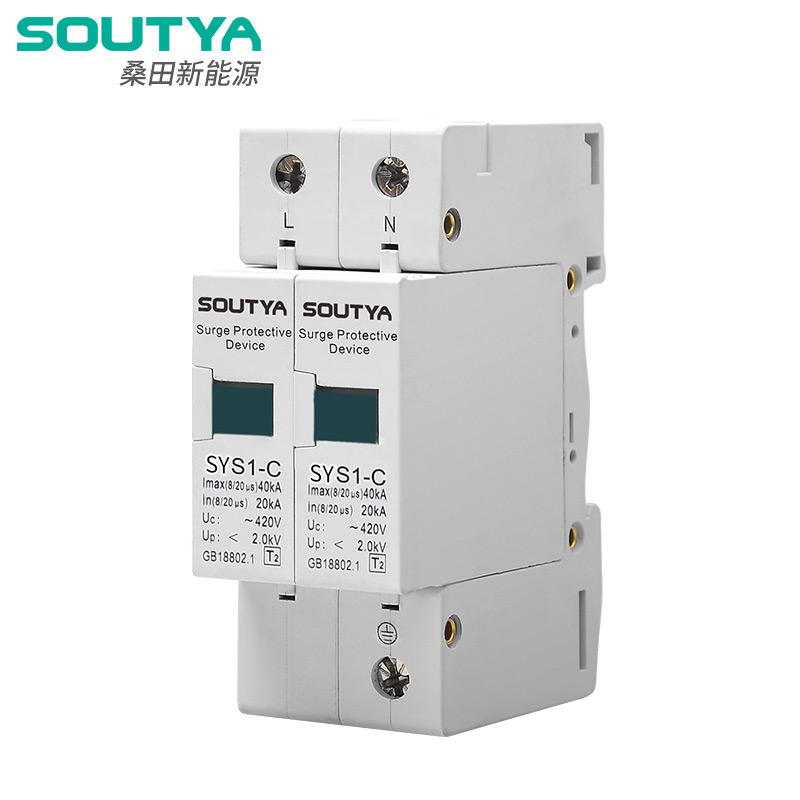
Key Feature Robust Surge Protection Integrated Type II SPD (40kA) Excellent
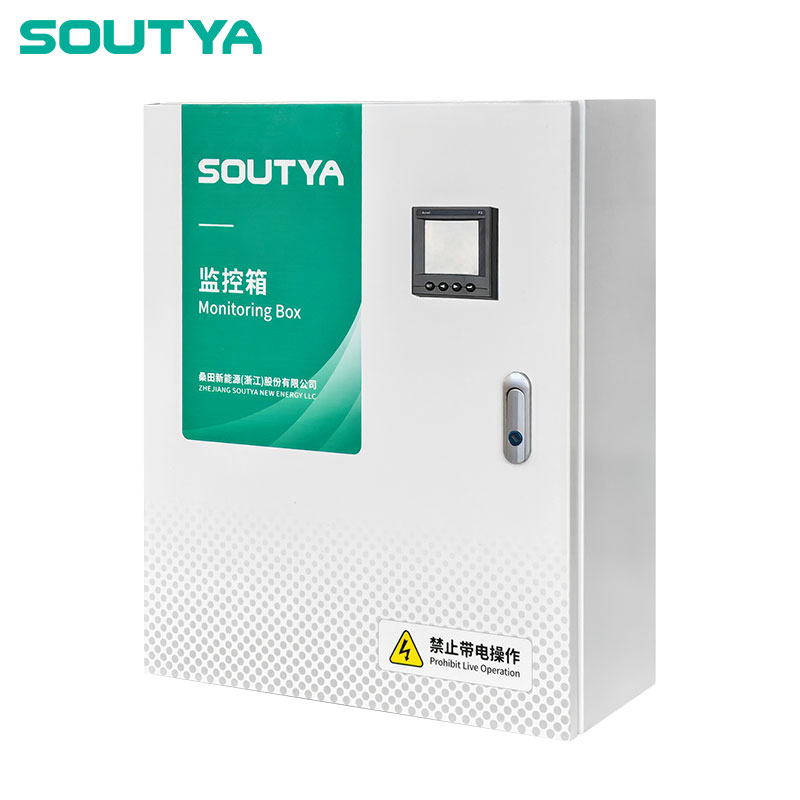
Key Feature Monitoring Needs Optional String-Level Monitoring Kit Available Flexible

As you can see, the Soutya SY-COM-6S model not only meets but exceeds our example system’s requirements, providing vital safety margins and valuable optional features. Our DC combiner boxes are built with this philosophy: provide headroom for reliability and options for insight.

DC combiner boxes

What Are the Common FAQs About DC Combiner Boxes?

Navigating the specifics can bring up many questions. Here are three of the most frequent ones we encounter at Soutya.

FAQ 1: Can I connect strings with different numbers of panels or different panel brands to the same DC combiner box?
It is technically possible but generally not recommended unless the box is specifically designed for it. The primary issue is voltage mismatch. Strings with different voltages (due to different panel counts or specs) will attempt to equalize when combined, leading to a loss of power output and potential stress on the lower-voltage string. For optimal performance, all strings connected to a standard DC combiner box should be identical in panel model, quantity, and orientation.

FAQ 2: Do I always need a fuse for every string in my combiner box?
Not always. The National Electrical Code (NEC) provides a key exception. If you have only two strings in parallel, you typically do not need string fuses because the maximum possible reverse current from one healthy string into a faulted one is unlikely to exceed the faulted string’s ampacity. However, if you have three or more strings in parallel, fuses or breakers for each string are mandatory to protect against excessive reverse current flow. All standard Soutya combiner boxes come pre-configured with the required protection per string for full compliance and safety.

FAQ 3: How important is the IP (Ingress Protection) rating for a combiner box, and what should I look for?
Extremely important. The DC combiner box is installed outdoors, exposed to rain, dust, and possibly snow. A poor seal can lead to moisture ingress, causing corrosion, short circuits, and system failure. For most outdoor applications, a minimum rating of IP65 is recommended. This rating guarantees complete protection against dust ingress and protection against low-pressure water jets from any direction. Soutya enclosures are typically rated IP65 or higher, ensuring long-term durability in harsh environmental conditions.

How Do Physical and Environmental Factors Influence Your Choice?

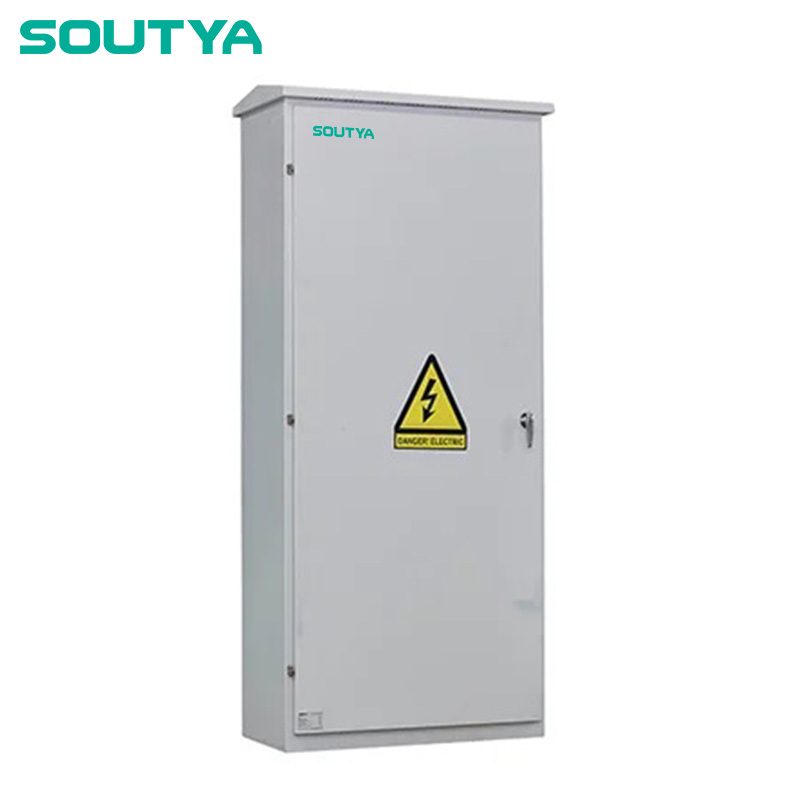
The electrical specs are half the story. Where and how you mount the box is equally crucial. Consider the enclosure material—dielectric plastic is cost-effective and corrosion-proof, while metal (like powder-coated aluminum) offers superior mechanical strength and heat dissipation. The physical size must accommodate all components with proper wire-bending space. Conduit entry locations should match your wiring plan.

Environment is key. Coastal sites demand high corrosion resistance. Areas with high lightning activity make a built-in high-capacity Surge Protective Device (SPD) non-negotiable. For hot climates, ensure the box’s temperature rating and the de-rating of its components (like fuses) are sufficient. At Soutya, we engineer our DC combiner boxes with these global challenges in mind, using materials and designs that stand the test of time and elements.

Ready to Build a Safer, More Efficient Solar System?

Sizing your DC combiner box correctly is not just a technical box-ticking exercise; it’s an investment in the safety, efficiency, and longevity of your entire solar power investment. By methodically calculating your string parameters and matching them to a robust, well-designed product, you eliminate a major point of failure and gain peace of mind.

At Soutya, we specialize in providing that peace of mind. Our range of DC combiner boxes is engineered with precision, built with durability, and designed for clarity—making the selection and installation process smoother for professionals and ensuring reliable performance for years. We don’t just sell components; we provide the foundational reliability that your solar energy system depends on.

Have a specific project in mind or need expert advice on selecting the perfect combiner box for your unique setup? Our technical support team is ready to help. Contact us today for a personalized consultation, detailed product datasheets, or to find a distributor near you. Let’s build a safer, smarter solar future together.

Related News
Leave me a message
X
We use cookies to offer you a better browsing experience, analyze site traffic and personalize content. By using this site, you agree to our use of cookies.Privacy Policy
RejectAccept