News

What Is an AC Surge Protective Device and Why Is It Essential for Modern Power Systems

2025-12-31 0 Leave me a message

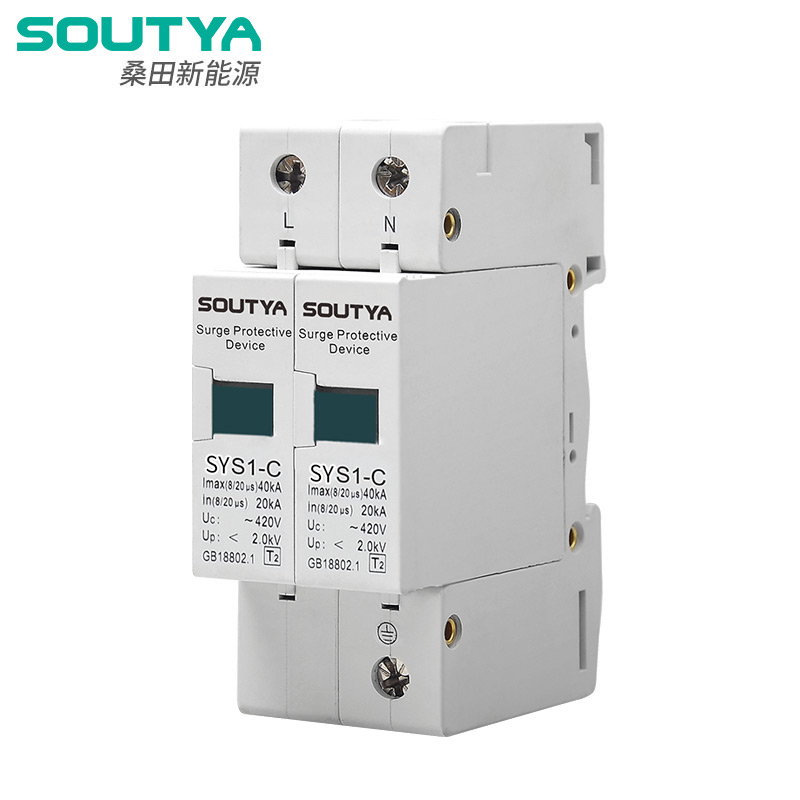
An AC Surge Protective Device plays a critical role in safeguarding electrical systems from transient overvoltages caused by lightning strikes, switching operations, and grid disturbances. As modern power systems become more sensitive and interconnected, the importance of surge protection has never been greater. This in-depth guide explains what an AC Surge Protective Device is, how it works, how to select the right model, and why it is essential for residential, commercial, and industrial applications.

AC Surge Protective

Table of Contents

  1. What Is an AC Surge Protective Device?
  2. Why Do Modern Power Systems Need Surge Protection?
  3. How Does an AC Surge Protective Device Work?
  4. Types of AC Surge Protective Devices Explained
  5. Key Components and Technical Parameters
  6. Typical Applications of AC Surge Protective Devices
  7. How to Choose the Right AC Surge Protective Device
  8. Installation Best Practices and Common Mistakes
  9. Standards, Compliance, and Safety Considerations
  10. Why Soutya Is a Trusted Name in Surge Protection
  11. Frequently Asked Questions (FAQ)

1. What Is an AC Surge Protective Device?

An AC Surge Protective Device (AC SPD) is an electrical protection component designed to limit transient overvoltages on alternating current (AC) power lines. It diverts or clamps excessive voltage spikes to a safe level, preventing damage to connected equipment such as circuit breakers, inverters, PLCs, servers, and sensitive electronics.

Unlike fuses or circuit breakers that respond to overcurrent conditions, an AC Surge Protective Device reacts within nanoseconds to voltage surges. This ultra-fast response makes it indispensable in modern electrical infrastructures where even microsecond-level spikes can cause irreversible damage.


2. Why Do Modern Power Systems Need Surge Protection?

Today’s power systems are more complex and fragile than ever. The widespread use of automation, renewable energy sources, and digital control systems has significantly increased vulnerability to transient overvoltages.

  • Lightning strikes induce high-energy surges into power lines.
  • Switching operations in transformers and motors generate internal surges.
  • Grid instability and load fluctuations create repetitive transient events.

Without a properly selected AC Surge Protective Device, these surges can shorten equipment lifespan, cause unexpected downtime, and lead to costly repairs. This is why surge protection is no longer optional—it is a core requirement for system reliability.


3. How Does an AC Surge Protective Device Work?

The working principle of an AC Surge Protective Device is based on voltage-dependent components that remain inactive during normal operation but respond instantly when voltage exceeds a predefined threshold.

  1. Under normal voltage, the SPD stays in a high-impedance state.
  2. When a surge occurs, internal components rapidly switch to low impedance.
  3. The surge energy is diverted to ground, limiting residual voltage.
  4. After the event, the SPD automatically returns to normal operation.

This seamless operation ensures continuous power supply while protecting downstream equipment.


4. Types of AC Surge Protective Devices Explained

SPD Type Installation Location Main Function
Type 1 Main distribution board Protection against direct lightning currents
Type 2 Sub-distribution panels Protection against induced surges
Type 3 Near sensitive equipment Fine protection for electronics

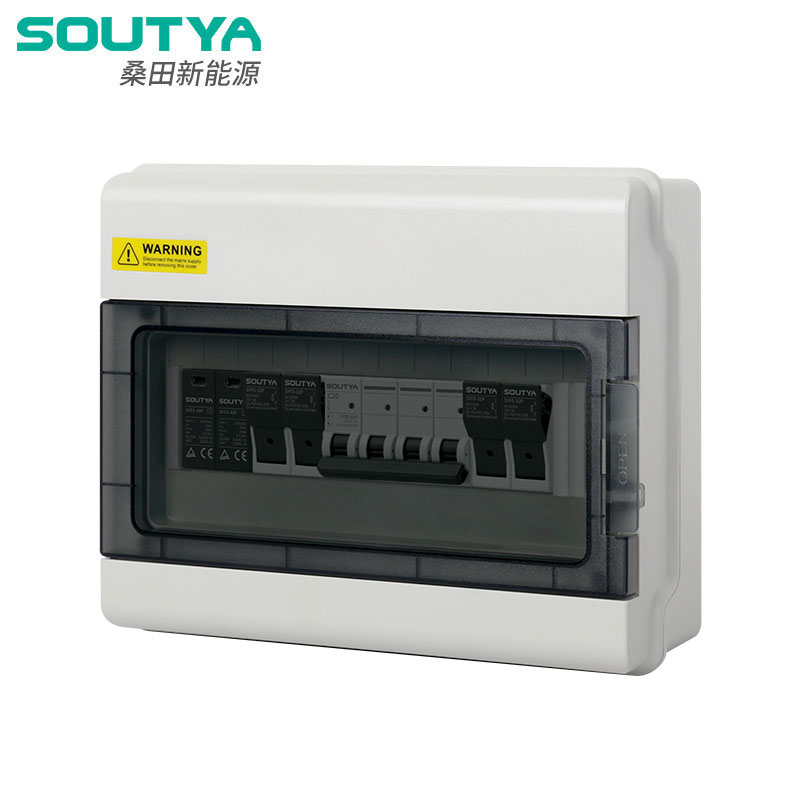
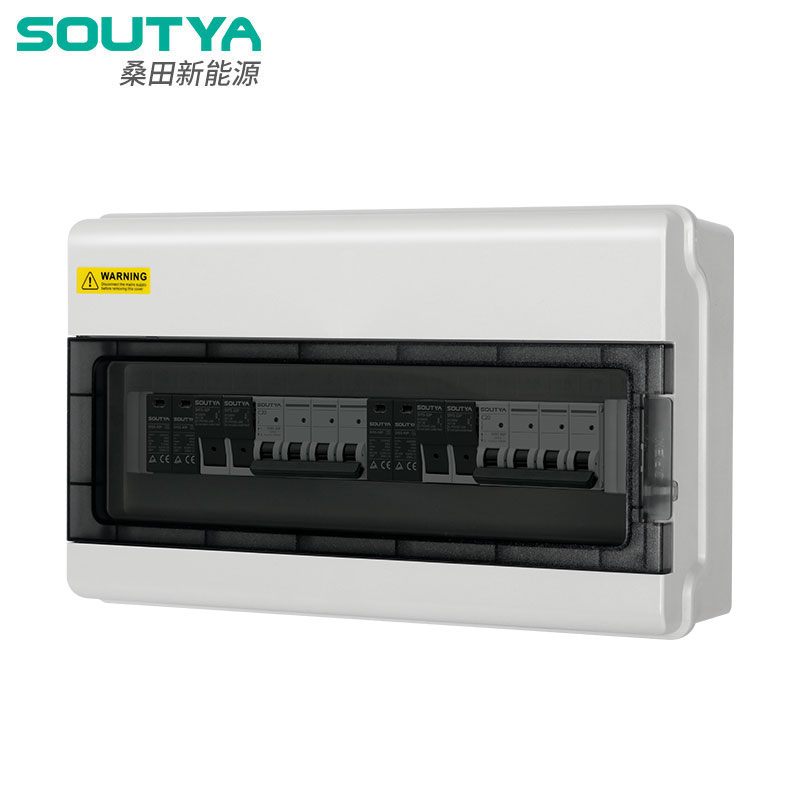
In many projects, a coordinated combination of multiple AC Surge Protective Devices ensures layered protection.


5. Key Components and Technical Parameters

Understanding technical parameters is essential when evaluating an AC Surge Protective Device. Key indicators include:

  • Maximum Continuous Operating Voltage (Uc)
  • Nominal Discharge Current (In)
  • Maximum Discharge Current (Imax)
  • Voltage Protection Level (Up)
  • Response Time

These parameters directly affect the protection level and service life of the device.


6. Typical Applications of AC Surge Protective Devices

AC Surge Protective Devices are widely used across multiple sectors:

  • Residential power distribution systems
  • Commercial buildings and data centers
  • Industrial automation and control panels
  • Solar PV systems and wind energy installations
  • EV charging infrastructure

Each application has unique requirements, reinforcing the importance of correct device selection.


7. How to Choose the Right AC Surge Protective Device

Selecting the right AC Surge Protective Device involves evaluating system voltage, grounding conditions, surge risk level, and applicable standards. A practical approach is to consult manufacturer specifications and application guides, such as those provided by AC Surge Protective Device solutions from Soutya.

Proper selection ensures long-term protection and compliance with international standards.


8. Installation Best Practices and Common Mistakes

Even the best AC Surge Protective Device can fail if installed incorrectly. Best practices include:

  • Keeping connection leads as short as possible
  • Ensuring proper grounding and bonding
  • Using coordinated protection stages

Common mistakes such as long cable runs and poor grounding significantly reduce effectiveness.


9. Standards, Compliance, and Safety Considerations

A compliant AC Surge Protective Device should meet standards such as IEC 61643 and UL 1449. Compliance ensures tested performance, safety, and reliability in real-world conditions.


10. Why Soutya Is a Trusted Name in Surge Protection

Soutya has built a strong reputation by delivering reliable AC Surge Protective Devices engineered for demanding environments. With a focus on quality materials, strict testing procedures, and application-driven design, Soutya solutions are widely trusted in global power protection projects.


Frequently Asked Questions (FAQ)

Is an AC Surge Protective Device necessary for small installations?

Yes. Even small systems face surge risks, especially from indirect lightning and switching events.

How long does an AC Surge Protective Device last?

Service life depends on surge frequency and intensity. Many devices include visual indicators for status monitoring.

Can one AC Surge Protective Device protect an entire facility?

Usually not. Coordinated protection using multiple devices is recommended for comprehensive coverage.


In an era of sensitive electronics and complex power networks, an AC Surge Protective Device is no longer optional—it is a foundational element of electrical safety and reliability. Choosing the right solution, installing it correctly, and partnering with an experienced manufacturer can make all the difference.

If you are looking for dependable surge protection solutions tailored to your application, now is the time to contact us and explore how Soutya can help safeguard your power systems with confidence.

Related News
Leave me a message
X
We use cookies to offer you a better browsing experience, analyze site traffic and personalize content. By using this site, you agree to our use of cookies. Privacy Policy
Reject Accept