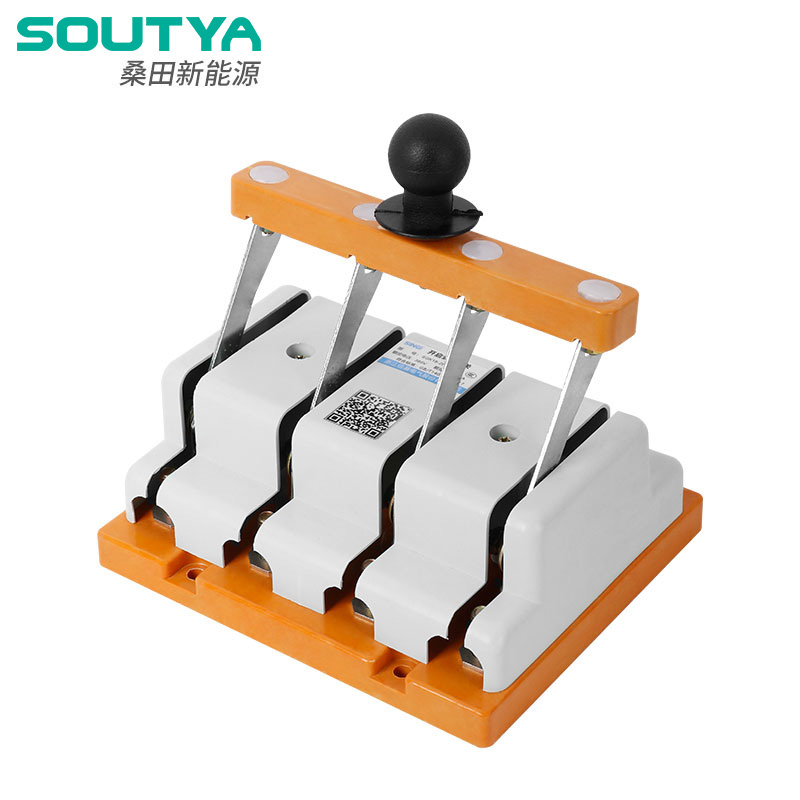
Selecting a DC charging pile for commercial electric vehicle (EV) projects requires evaluating power output, reliability, safety, and total cost of ownership. This guide explains key factors for engineers and procurement teams when choosing a 60-80kW DC charging pile from Soutyaele (https://www.soutyaele.com/products-12.html) and other suppliers.
A high-quality DC charging pile must deliver consistent power output, withstand environmental stress, and communicate reliably with vehicles and backend systems. For commercial applications, durability under heavy daily use is critical. The charging pile should support multiple charging standards (CCS, CHAdeMO, GB/T) and offer smart load management. Soutyaele's 60-80kW DC charging pile is designed for such demands, using industrial-grade components tested under IEC 60947-1 for switchgear reliability.
Note: Commercial DC chargers operate in high-temperature environments. Devices should include active cooling systems to maintain power module efficiency.
60-80kW power level balances charging speed and grid infrastructure cost. For fleet vehicles with 40-80 kWh batteries, a 60kW charger can replenish 80% state of charge in 30-45 minutes. This reduces dwell time compared to Level 2 AC charging. For highway rest stops or fleet depots, 60-80kW is the sweet spot for cost-effective charging. Soutyaele's models support both single-gun and dual-gun configurations to serve multiple vehicles.
Reliability starts with power modules. High-frequency isolated DC-DC converters with wide-bandgap semiconductors (SiC or GaN) offer higher efficiency and smaller size. Proper EMI filtering and surge protection protect against grid disturbances. Thermal management: liquid cooling or forced air cooling must keep junction temperatures within limits. Soutyaele uses modular power units with hot-swappable capability, reducing downtime. The enclosure should meet IP54 for outdoor installation, with corrosion-resistant materials.
DC charging piles must comply with international safety standards. At minimum: IEC 61851-1 (conductive charging system), IEC 62196 (connectors), and local grid codes. For overcurrent protection, internal components reference IEC 60947-1 for switchgear and IEC 60269-1 for fuses. For arc fault detection, some models include AFDD per IEC 62606. Southern's products are certified under these frameworks, ensuring safe operation.
Use a comparison table to evaluate key parameters across suppliers.
| Parameter | Supplier A | Supplier B (Soutyaele) | Supplier C |
|---|---|---|---|
| Power Range | 60-75 kW | 60-80 kW | 50-70 kW |
| Efficiency (peak) | 94% | 96% | 93% |
| Cooling | Forced air | Liquid cooling | Forced air |
| Connector Types | CCS1 | CCS1/CCS2/CHAdeMO | CCS1/GB/T |
| IP Rating | IP54 | IP55 | IP54 |
| Warranty | 2 years | 3 years | 2 years |
Installation costs include grid connection (transformer, cables, protection equipment), civil works (foundation, trenching), and permits. For a 60kW charger, typical grid upgrade is minimal if existing capacity is sufficient. Maintenance involves periodic cleaning, firmware updates, and spare parts. Soutyaele offers remote monitoring and diagnostic tools to reduce on-site visits. Total cost of ownership should factor in energy losses—a 2% efficiency difference can save thousands over a 10-year lifespan.
For a reliable and cost-effective 60-80kW DC charging pile that meets international standards, explore Soutyaele's product line at Soutyaele 60-80kW DC Charging Pile. Contact our engineering team for a tailored solution for your project.

References:
[1] IEC 60947-1. Low-voltage switchgear and controlgear - Part 1: General rules [S]. 2020.
[2] IEC 60269-1. Low-voltage fuses - Part 1: General requirements [S]. 2020.
[3] IEC 62606:2013. General requirements for arc fault detection devices (AFDDs) [S].

Jack
Soutya