News

1500V DC Firefighter Safety Switch: Critical Application Scenarios for Solar and Battery Systems

2026-06-04 0 Leave me a message

As solar photovoltaic (PV) installations and battery energy storage systems (BESS) scale to higher voltages, the need for specialized safety equipment becomes paramount. Among these, the 1500V DC firefighter safety switch has emerged as a critical component for ensuring both system reliability and emergency responder safety. This article explores the primary application scenarios for this device, outlining why it is indispensable in modern high-voltage DC environments.

What is a 1500V DC Firefighter Safety Switch and Why Does It Matter?

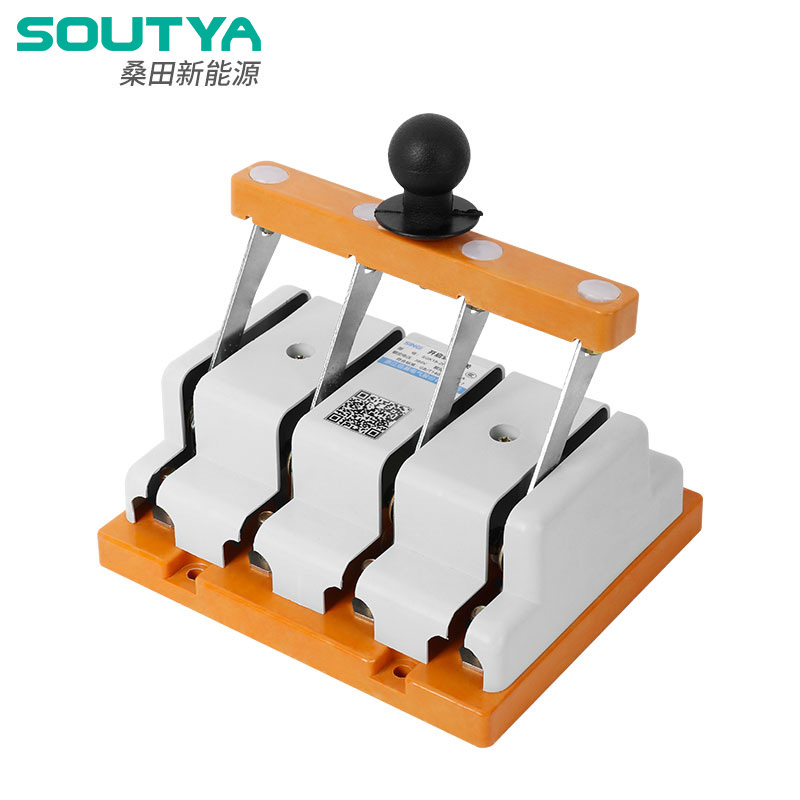
A 1500V DC firefighter safety switch is a manually operated disconnect device designed to quickly isolate DC power sources—such as solar arrays or battery banks—from the rest of the electrical system. Unlike standard switches, this device is engineered to safely interrupt high-voltage direct current under load, preventing dangerous arc flashes that can injure firefighters or damage equipment. Its application is most critical in large-scale solar farms, commercial rooftop PV systems, and utility-scale battery storage facilities where voltages reach up to 1500V DC.

What Are the Key Application Scenarios for a 1500V DC Firefighter Safety Switch?

The primary application scenarios revolve around emergency response and maintenance safety. Key use cases include:

  • Firefighting access points: Installed at strategic locations (e.g., building entrances, array boundaries) to allow firefighters to de-energize the DC side before entering a hazard zone.
  • Rapid shutdown systems: Required by codes such as the National Electrical Code (NEC) Section 690.12, these switches enable controlled reduction of conductor voltage to safe levels within seconds.
  • Battery energy storage isolation: In BESS containers, a dedicated disconnect for 1500V DC strings ensures safe access for thermal runaway control or maintenance.
  • Combiner box integration: Placed at combiner box outputs to isolate entire subarrays without needing to disconnect individual modules.

How Does This Switch Improve Safety in Solar PV Installations?

High-voltage DC systems present unique hazards—namely, sustained arc faults that can ignite fires and pose lethal shock risks. The 1500V DC firefighter safety switch addresses these by:

  • Arc quenching: Using specialized contact materials and blow-out magnets to extinguish DC arcs quickly during disconnection.
  • Visible isolation: Providing a clear air gap that confirms power is disconnected, which is critical for emergency responders.
  • Weather-resistant enclosures: Rated for outdoor use (IP65 or higher) to withstand harsh environments without compromising mechanical operation.
  • Compliance with rapid shutdown: Meeting the voltage and timing requirements of UL 1741 and IEC 60947-3 standards.

Which Standards Govern the Use of 1500V DC Firefighter Safety Switches?

Adherence to recognized standards is essential for reliability and legal compliance. Key references include:

  • IEC 60947-3: Low-voltage switchgear – Specifies performance requirements for disconnectors, including DC ratings and test procedures.
  • UL 1741: Standard for inverters, converters, and controllers in PV systems – includes requirements for rapid shutdown equipment.
  • NFPA 70 (NEC) Article 690: Provides installation requirements for solar PV systems, including disconnection means for firefighter safety.

What Should Buyers Consider When Selecting a Firefighter Safety Switch?

When evaluating a 1500V DC firefighter safety switch for a project, consider the following factors:

  • Rated voltage and current: Ensure the switch is certified for 1500V DC and the maximum short-circuit current of the array.
  • Number of poles: Typically 2-pole or 4-pole configurations for isolating both positive and negative conductors.
  • Actuation method: Key-operated or padlockable handles prevent unauthorized use, while clear ON/OFF status indicators are essential.
  • Environmental rating: Look for IP66 or higher for outdoor installation, with UV-stable enclosures.
  • Certifications: Verify compliance with IEC, UL, or other applicable local standards.

Frequently Asked Questions

Q1: What is the main difference between a standard DC switch and a firefighter safety switch?
A standard DC switch may not be designed for rapid emergency disconnection or arc extinction under load. A firefighter safety switch specifically addresses these requirements, with visible isolation and higher mechanical endurance.

Q2: Can a 1500V DC firefighter safety switch be used for both solar and battery systems?
Yes, as long as the voltage and current ratings match the system. However, battery systems may have different fault characteristics (e.g., higher short-circuit current), so verify the switch's breaking capacity.

Q3: How often should these switches be tested?
Periodic testing (annually) is recommended to ensure mechanical operation and contact integrity. Follow manufacturer guidelines and local inspection requirements.

Q4: Are there specific mounting requirements?
Switches should be installed in accessible locations, within sight of the equipment they serve, and at a height convenient for operation (typically 1.5 to 2.0 meters above ground).

Q5: What is the typical lifespan of a 1500V DC firefighter safety switch?
With proper selection and maintenance, these switches can last the lifetime of the installation (25+ years). Mechanical endurance ratings often exceed 10,000 operations.

Conclusion

The 1500V DC firefighter safety switch is a vital component for modern high-voltage solar and battery systems, providing emergency responders with a reliable means to de-energize circuits while minimizing arc flash and shock hazards. By understanding its application scenarios—from rooftop PV to large-scale storage—and adhering to recognized standards, system designers and facility managers can enhance both safety and compliance. When selecting a switch, prioritize certified, high-quality components that match the specific voltage, current, and environmental demands of the project.

References

  • IEC 60947-3: Low-voltage switchgear and controlgear – Part 3: Switches, disconnectors, switch-disconnectors and fuse-combination units
  • UL 1741: Standard for Inverters, Converters, Controllers and Interconnection System Equipment for Use With Distributed Energy Resources
  • NFPA 70: National Electrical Code (NEC), Article 690 – Solar Photovoltaic Systems
Related News
Leave me a message
X
We use cookies to offer you a better browsing experience, analyze site traffic and personalize content. By using this site, you agree to our use of cookies. Privacy Policy
Reject Accept