News

What Do Solar Installers Need to Know About the 2025 NEC Rapid Shutdown Updates?

2025-11-21 0 Leave me a message

The solar industry is preparing for significant compliance changes, and one of the most important updates involves the 2025 NEC Rapid Shutdown requirements. These revisions are designed to enhance rooftop system safety and ensure faster module-level power reduction during emergencies. As installation standards evolve, solar contractors must understand how the new rules affect system design, wiring practices, equipment selection, and field commissioning. In our ongoing commitment to quality and compliance, Zhejiang Soutya New Energy LLC continues to refine our PV Rapid Shutdown Device solutions to help installers meet the higher performance thresholds. In our factory, we focus on precise engineering, stable electronics, and streamlined wiring to support modern regulatory demands.


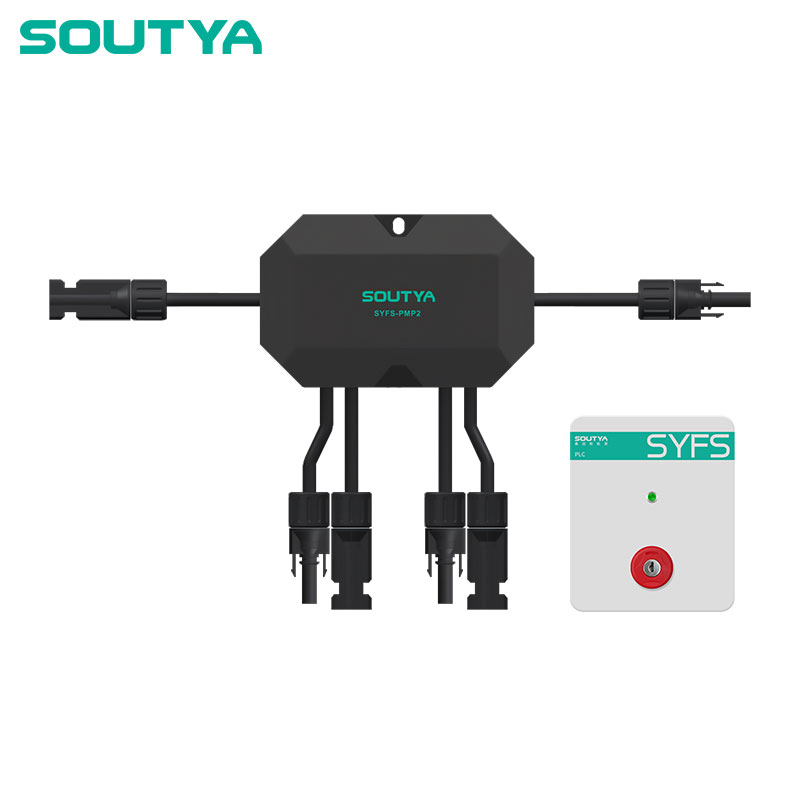
24V DC Power Line Control Rapid Shutdown Device


Understanding the Core Changes in the 2025 NEC Requirements

The 2025 NEC Rapid Shutdown revisions emphasize broader module-level protection, faster response times, and clearer performance verification. For installers, this means updated design checks, improved device integration, and stricter documentation during inspection. At Zhejiang Soutya New Energy LLC, we ensure that our PV Rapid Shutdown Device meets the new operational thresholds by strengthening circuit responsiveness and communication stability. Our engineering team continues to work with real-world residential and commercial project data to optimize system interaction between string inverters, module electronics, and shutdown controllers.


Why Rapid Shutdown Compliance Matters for System Safety

Rapid shutdown regulations were originally introduced to protect first responders by reducing energized conductors during emergencies. The 2025 update preserves that intention while expanding the conditions under which shutdown must occur. Installers must now verify that conductors located inside the array boundary meet the required voltage limits within seconds. Based on our field evaluations, incorporating a PV Rapid Shutdown Device early in system design improves both wiring simplicity and long-term reliability. At Zhejiang Soutya New Energy LLC, our goal is to help installers achieve predictable and safe performance without complicating installation workflows.


How Installers Can Prepare for the 2025 NEC Transition

Preparation begins with reviewing design standards, establishing consistent inspection routines, and ensuring that all components carry compliance-ready specifications. Many installers are upgrading their internal training to align with module-level protection rules. In our factory, we continue to develop installation guides and integration references for system designers to make the planning process easier. Zhejiang Soutya New Energy LLC encourages installers to adopt structured commissioning steps that validate system performance under emergency-shutdown simulations. This approach reduces project delays and strengthens documentation for authorities having jurisdiction.


Technical Overview of Our PV Rapid Shutdown Device

Before reviewing the technical specifications, it is essential to introduce the product parameters that help installers match system needs with regulatory requirements. The following table summarizes the core performance attributes of the PV Rapid Shutdown Device manufactured by Zhejiang Soutya New Energy LLC. Our design focuses on high-temperature endurance, stable communication response, and fast shutdown timing to support compliance for both rooftop residential and large commercial systems.


Product Parameter Introduction Table:

Model RSD-S Series (Module-Level)
Input Voltage Range Up to 1500V DC
Maximum Operating Current 20A Continuous
Shutdown Response Time < 30 Seconds According to NEC Requirements
Communication Method PLC Transmission / Wireless Trigger
Operating Temperature -40°C to +85°C
Enclosure Rating IP67 Outdoor Rated
Compatibility Universal String and Module-Level Electronics


These specifications reflect our goal of delivering stable field performance. Our engineering team focuses on real installation environments to ensure proper function during grid outages, emergency events, and routine maintenance.


Best Practices for System Integration and Field Installation

Installers must now pay closer attention to conductor routing, module-level device placement, and the integration of emergency shutdown switches. The updated code includes location-specific requirements for rooftop wiring, marking, and labeling. With our PV Rapid Shutdown Device, installers can streamline junction box placement, simplify cable routing, and reduce wiring-related voltage drop. Zhejiang Soutya New Energy LLC provides integration recommendations based on system size and array layout. Our factory supports custom configurations for high-capacity projects requiring multiple device clusters or extended communication ranges.


FAQ: What Do Solar Installers Need to Know About the 2025 NEC Rapid Shutdown Updates?

1. What are the key differences between the previous NEC version and the 2025 Rapid Shutdown requirements?

The primary differences involve expanded module-level shutdown, clearer rules regarding the array boundary, and faster voltage-reduction performance. Installers must verify that all conductors meet voltage limits within seconds, even in densely wired arrays. The rules also standardize labeling and system verification procedures, requiring installers to perform documented shutdown tests during commissioning.

2. How does the 2025 NEC affect wiring design and equipment selection?

Wiring must remain within the controlled boundary defined by the code, and equipment must support module-level voltage reduction. Installers need shutdown components that respond quickly, integrate smoothly with different inverters, and maintain stable communication. Our PV Rapid Shutdown Device is engineered to support these conditions, helping installers avoid redesign complications and stay aligned with evolving standards.

3. What steps should installers take to ensure full compliance before final inspection?

Installers should verify system schematics, ensure proper device placement, perform voltage-reduction testing, and record every shutdown verification result. Inspectors increasingly require documented evidence before approving new systems. By incorporating structured commissioning procedures and reliable shutdown equipment, installers can ease approval processes and reduce on-site rework.


Conclusion: Preparing for a Safer and More Compliant Solar Future

The transition to the 2025 NEC requires installers to pay closer attention to system architecture, safety components, and shutdown performance. Choosing compliant equipment will reduce risks, simplify inspection, and enhance long-term reliability. Our PV Rapid Shutdown Device reflects the engineering principles needed for this new regulatory environment, and Zhejiang Soutya New Energy LLC will continue to support installers with precise, adaptable, and dependable solutions. In our factory, we focus on practical innovations that help the industry achieve stronger safety outcomes while maintaining efficient installation processes.

Related News
Leave me a message
X
We use cookies to offer you a better browsing experience, analyze site traffic and personalize content. By using this site, you agree to our use of cookies.Privacy Policy
RejectAccept