| Parameter | 800V AC Combiner Box 4 In 1 Out | Traditional Solution |
|---|---|---|
| Rated Voltage | Customizable | Standard |
| Protection Level | High | Medium |
| Installation | Easy | Complex |
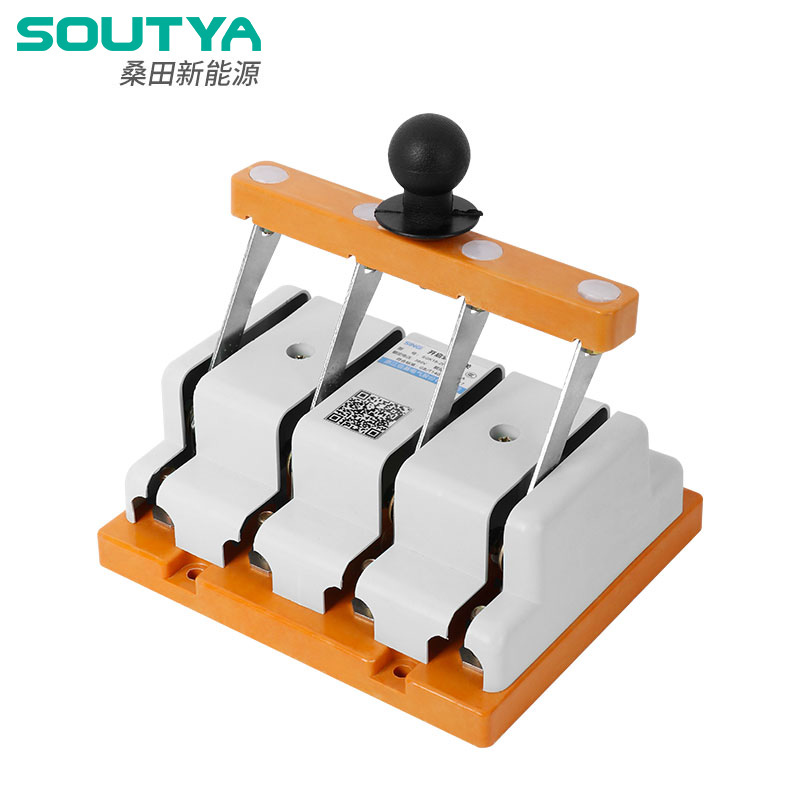
An 800V AC combiner box with 4 inputs and 1 output consolidates multiple inverter outputs into a single circuit for medium-scale solar installations. Soutya offers a reliable 800V AC Combiner Box 4 In 1 Out built for commercial and industrial PV systems. This guide explains its role, selection criteria, and key technical considerations.
An AC combiner box aggregates AC outputs from multiple inverters into a single feeder to the main distribution panel or transformer. The 800V rating suits commercial and utility-scale solar arrays where inverters produce AC voltage at 800V ( three-phase). Using an 800V AC combiner box 4 in 1 out, four inverter strings are safely combined, reducing the number of cables to the grid connection point.
This product is designed for systems where inverters are grouped close together. For instance, a 1 MW solar farm may use four 250 kW inverters; their outputs are combined into one 800V AC bus. Soutya's combiner box provides the necessary overcurrent protection, isolation, and surge protection in a weatherproof enclosure.
Without a combiner box, each inverter would need its own dedicated conduit and AC disconnect to the main panel. That multiplies labor, materials, and points of failure. An AC combiner box centralizes disconnects, fuses or breakers, and monitoring. Per IEC 62548:2016, PV array design should minimize voltage drops and ensure safe isolation. A combiner box meets these requirements by grouping circuits with proper ratings.
In 800V systems, the higher voltage means lower current for the same power, allowing smaller cables. However, fault current levels are significant. The combiner box must incorporate switchgear rated for 800V AC and interrupting capacity that matches the available short-circuit current.
A 4 in 1 out configuration means four input circuits (from inverters) are combined into one output circuit. Inside the box, each input has a circuit breaker or fuse for overcurrent protection, and a separate disconnect switch. The outputs are bussed together to a single output breaker or terminal. This reduces the number of feeder breakers in the main switchboard and cuts conduit runs.
For a typical installation, the combiner box is mounted near the inverter cluster. Inputs are connected via armored cable or conduit, and the single output runs to the AC panel. This approach aligns with IEC 60364-7-712 requirements for PV systems, which call for clear marking and segregation of circuits.
Note: Always verify that the combiner box's voltage rating (800V) exceeds the maximum system voltage. Use appropriate conductors rated for 90°C or higher in enclosed spaces to avoid derating issues.
Confirm that the box is rated for 800V AC (operating voltage) and the maximum current per input and total output. The short-circuit current rating (SCCR) must exceed the available fault current. Soutya's unit meets IEC 60947-4-1 requirements for contactor-based systems (if applicable) and uses components tested under IEC 61643-11 for surge protection.
Outdoor installations demand an IP65 or higher enclosure to keep out dust and water. The box should also have UV-resistant coating and a corrosion-proof gland plate. Operating temperature range should cover -25°C to +50°C for most climates.
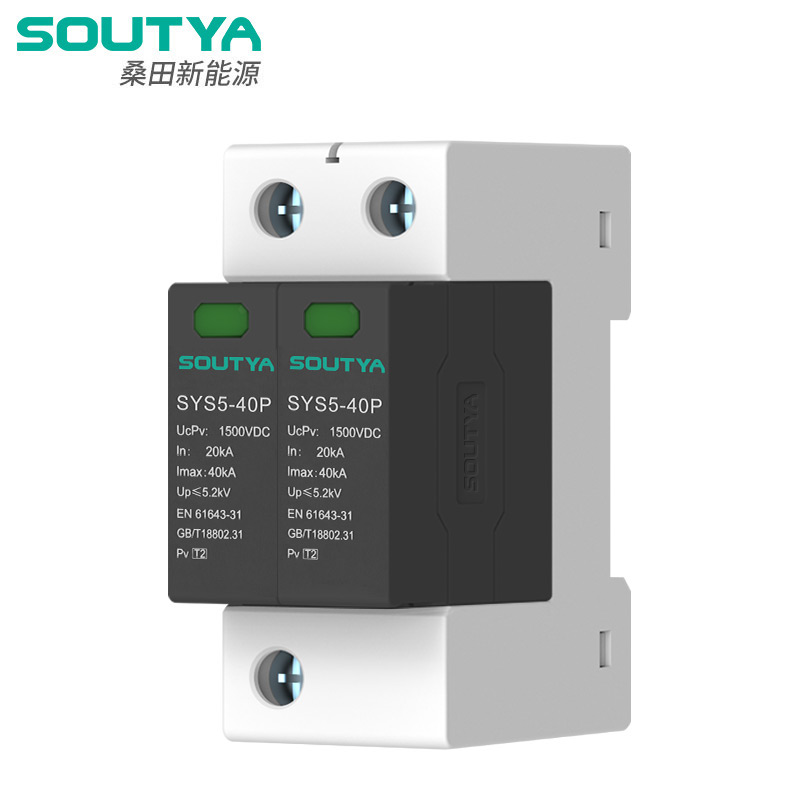
Type 2 surge protective devices (SPDs) per IEC 61643-11 are essential to protect inverters from lightning-induced transients. Look for a maximum discharge current (Imax) of at least 40 kA per mode.
Advanced combiner boxes include kWh meters, current transformers (CTs), and RS485 or Ethernet communication for remote monitoring. This helps in tracking PV plant performance and detecting faults early.
Surge protection is critical in PV systems because long cable runs act as antennas for lightning surges. A standard-compliant SPD (Type 2) limits the voltage surge to a safe level, preventing inverter damage and fire. Monitoring interfaces allow quick identification of string losses or equipment failures, reducing downtime. According to studies (e.g., Zhou et al., 2022), arc faults are a major risk in DC systems, but in AC systems, overcurrent and surge protection remain primary.
Soutya's 800V AC combiner box integrates a type 2 SPD and optional DC-powered monitoring relay that provides dry contacts for alarms. This design follows best practices in low-voltage switchgear assembly standards.
No. AC and DC ratings differ due to arc extinction. Always use DC-rated equipment for DC circuits. This product is for AC only.
It depends on the model. Soutya's 800V AC combiner box supports up to 100A per input. Check datasheet for exact ratings.
Basic models include an SPD and disconnects. Monitoring (CTs and meter) can be added as an option. Contact Soutya for customization.
It complies with IEC 61439-2 (low-voltage switchgear assemblies) and incorporates components meeting IEC 60947-4-1 and IEC 61643-11. CE marking is available.
For a reliable 800V AC combiner box that simplifies your solar installation, explore Soutya's 800V AC Combiner Box 4 In 1 Out. Contact our team for technical specifications and pricing.
References

Jack
Soutya