A mid-sized solar farm operator in the southwestern United States manages a 50 MW PV installation. The facility uses 1,500V DC strings, but due to legacy infrastructure, the combiner boxes operate at 1,000V DC. The site has over 200 combiner boxes, each handling multiple strings. The maintenance team struggled with frequent isolator failures and arc-flash incidents, causing unplanned downtime and safety hazards.
Existing combiner boxes used rotary switches that required manual isolation. Technicians had to turn off upstream inverters during maintenance, leading to generation losses of up to 2% monthly. The isolation switches also degraded after repeated use, causing contact resistance that resulted in overheating. In the past year, five boxes suffered minor arc-flash events, injuring one technician (non-severe). The outdated design lacked arc-fault detection, and the enclosure didn't meet the latest IP65 standards for outdoor dust and moisture ingress.
The operator tried replacing switches with higher-rated units from a different supplier, but the fitment issues and incompatibility with the existing 2-in-1-out configuration (two input strings, one output) caused delays. A competitor's combiner box with integrated isolator failed within six months due to inadequate DC voltage rating at 1,000V under full load.
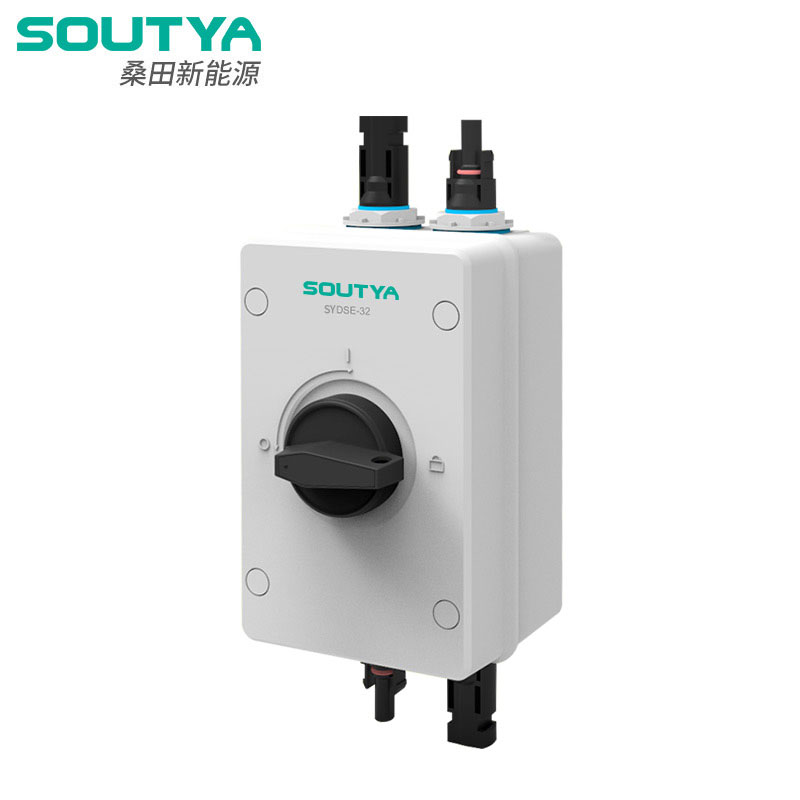
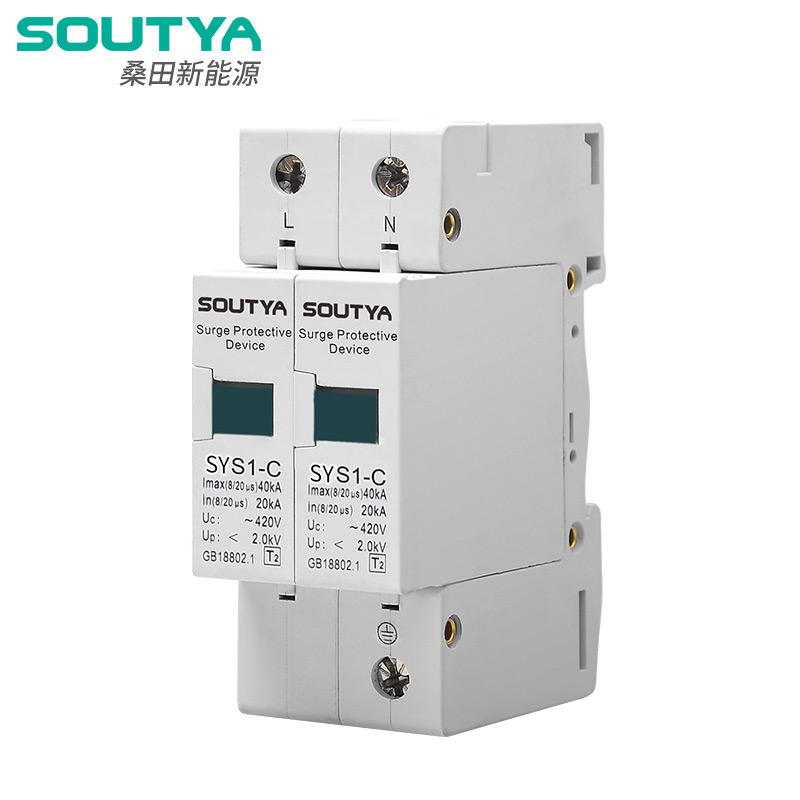
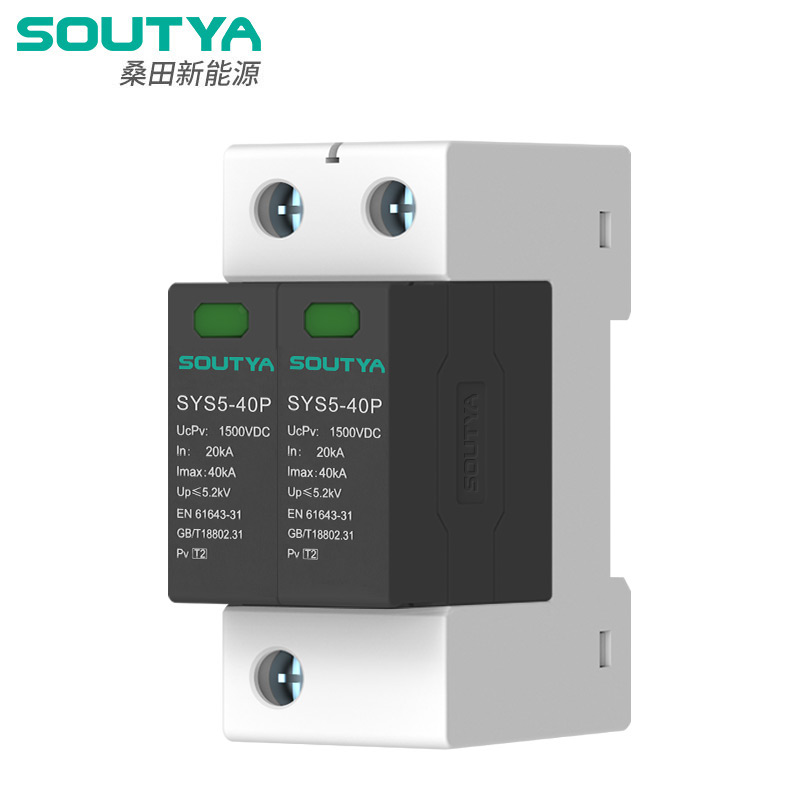
The technical team evaluated three vendors. Soutya's product stood out for two reasons: the isolator switch was tested to 1,000V DC at 32A continuous current, exceeding the site's 25A per string requirement. The box offered a true 2-in-1-out configuration with labeled terminals, reducing installation errors. The IP65 rated enclosure and built-in dc arc-fault protection (meeting UL 1699B) addressed safety concerns., the unit included a surge protection device rated for 1,000V DC per IEC 61643-11, safeguarding against lightning-induced transients.
The decision was also influenced by Soutya's 5-year warranty and local stock availability. The price per unit was 15% lower than the closest competitor with similar specs.
The project replaced 50 aging combiner boxes over two months. Each replacement took two hours for a two-person team, including de-energizing, wiring transfer, and testing. The iso-intor design allowed a quick lockout/tagout procedure without upstream shutdown. One challenge was the existing conduit layout did not align with the new box's knockouts; the team used flexible conduit adapters than cutting new holes, preserving the enclosure's IP rating. After installation, each box was tested for insulation resistance and polarity. A typical issue was loose terminal screws—solved by using a torque driver set to 5 Nm as per Soutya's instructions. No failures occurred during the commissioning phase.
After six months of operation:
The overall payback period for the 50 units was 11 months.
“Switching to the Soutya combiner box was a no-brainer. The built-in isolator and SPD saved us from a potential fire last summer during a lightning storm. Our technicians feel safer, and we no longer lose half a day of production for routine maintenance.” — Facility Operations Manager
References: IEC 62548:2016 Photovoltaic (PV) arrays – Design requirements (section on combiner box wiring and overtcurrent protection). IEC 61643-11:2011 Low-voltage surge protective devices (part 11, covering DC SPDs for PV). UL 1699B:2018 Photovoltaic (PV) DC Arc-Fault Circuit Protection (for arc-fault detection in combiner boxes).


Jack
Soutya