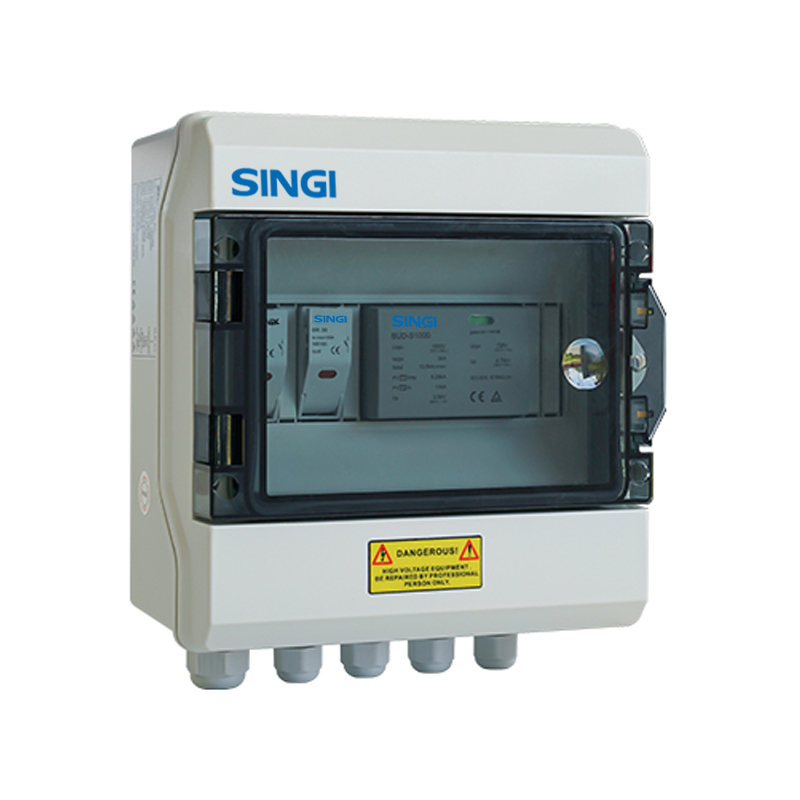
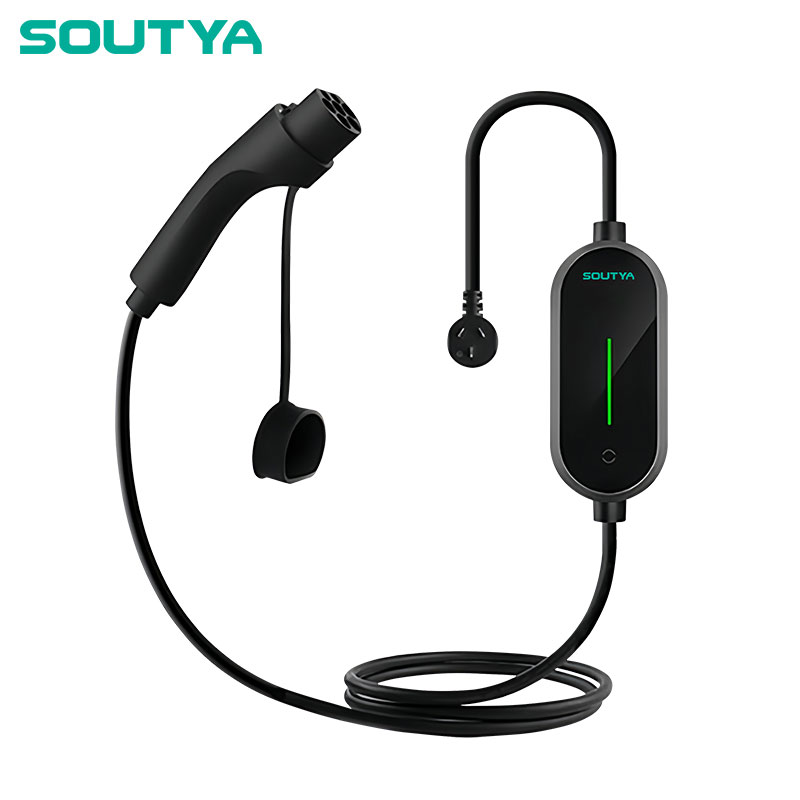
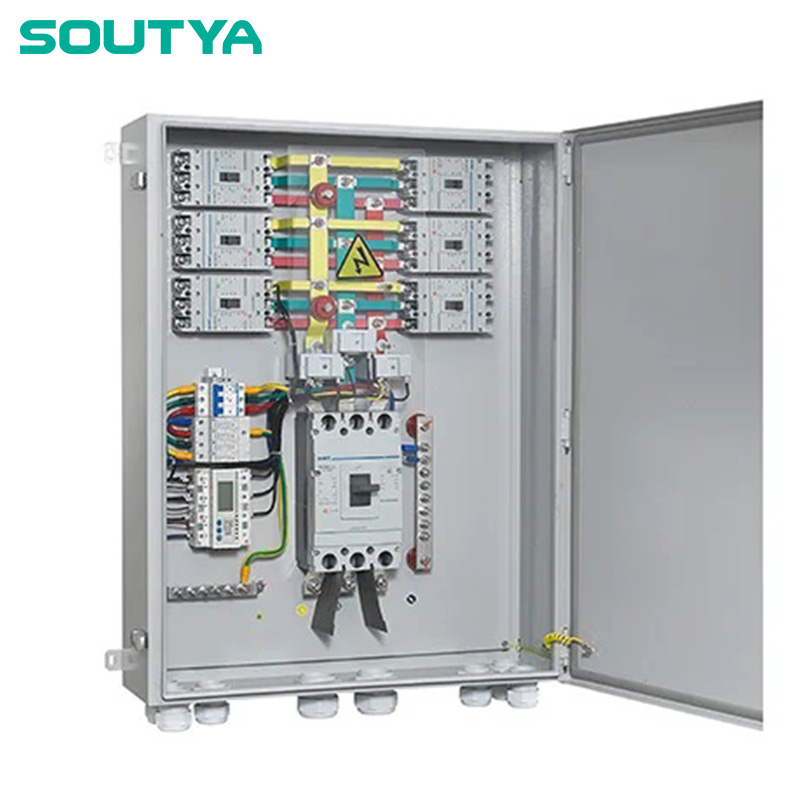
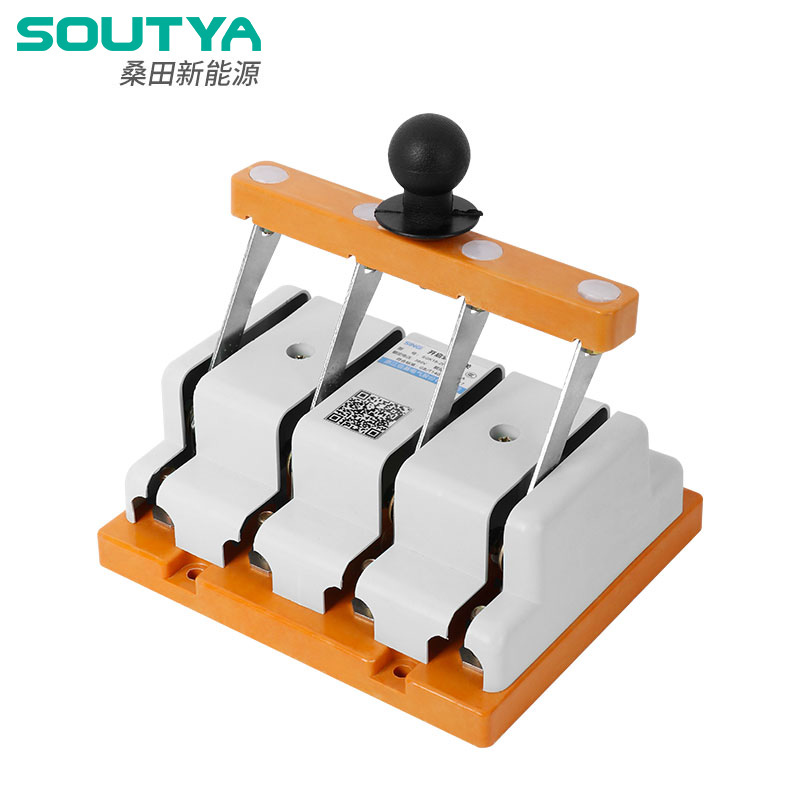
A 24V DC power line control rapid shutdown device is a safety component designed to quickly de-energize DC circuits in photovoltaic (PV) systems, battery storage, or other DC power installations. It operates by sending a control signal over the same power lines to trigger shutdown, eliminating the need for separate communication wiring. This device is critical for meeting electrical code requirements and ensuring firefighter safety during emergencies.
Modern electrical codes, such as the National Electrical Code (NEC) Article 690.12, mandate rapid shutdown of PV systems to reduce the risk of electric shock. The standard requires that within 10 feet of the array, voltage be reduced to 80V or less within 30 seconds after shutdown initiation. For 24V DC systems, this is especially important because lower voltage systems are often used in residential and commercial applications where firefighter access is common. Compliance not only protects first responders but also prevents costly fines and insurance issues.
Traditional rapid shutdown methods often require additional twisted-pair wiring or wireless transmitters, which add complexity and cost. Power line control technology uses the existing DC power conductors to transmit the shutdown command. This simplifies installation by reducing wiring, lowering material costs, and minimizing potential points of failure. For installers, this means faster deployment and less troubleshooting, especially in retrofit projects where adding new cables is difficult.
When selecting a 24V DC power line control rapid shutdown device, buyers should consider:
Compared to module-level power electronics (MLPEs) like microinverters or optimizers with built-in rapid shutdown, a power line control device is a more centralized solution. It offers lower per-watt cost and simpler maintenance, but requires that the entire system shuts down as a group rather than individually. For 24V DC systems used in small-to-medium installations, this is often the most practical choice, providing reliable shutdown without the complexity of MLPEs.
Buyers often worry about compatibility with existing equipment, especially when replacing older shutdown devices. Another concern is the reliability of power line communication in noisy DC environments. Additionally, some installers find it challenging to integrate the device with monitoring platforms. To mitigate these, choose a device from a reputable manufacturer that provides clear documentation, technical support, and a proven track record in similar installations.
Q: How does a 24V DC power line control rapid shutdown device work?
A: It sends a high-frequency signal over the DC power lines from a transmitter (often integrated into the inverter or a separate controller) to a receiver at each PV module or string. When the signal stops, the receiver opens the circuit, de-energizing the conductors.
Q: Is this device compatible with all inverters?
A: Most devices are designed to work with standard inverters that support power line communication, but it's essential to check compatibility with the specific inverter model. Many manufacturers provide a list of compatible equipment.
Q: Can I use this for battery storage systems?
A: Yes, 24V DC rapid shutdown devices are suitable for battery storage systems where rapid disconnection is required for safety, especially in conjunction with solar PV.
Q: What certifications should I look for?
A: Look for UL 1741 (or equivalent), which covers inverter-based systems, and compliance with NEC 690.12. Additional certifications like CE or TÜV may be required for international projects.
The 24V DC power line control rapid shutdown device is an efficient solution for meeting code requirements while simplifying installation. By leveraging existing power lines for communication, it reduces costs and complexity. When purchasing, prioritize compatibility, certification, and reliable communication to ensure long-term safety and performance. Always consult with the manufacturer to confirm device specifications match your system design.
Industry Standards Referenced:

Jack
Soutya