News

What Makes a PV Monitoring Box Essential for Solar Project Success?

2026-06-04 0 Leave me a message

Why Does a Solar Project Need a Dedicated PV Monitoring Box?

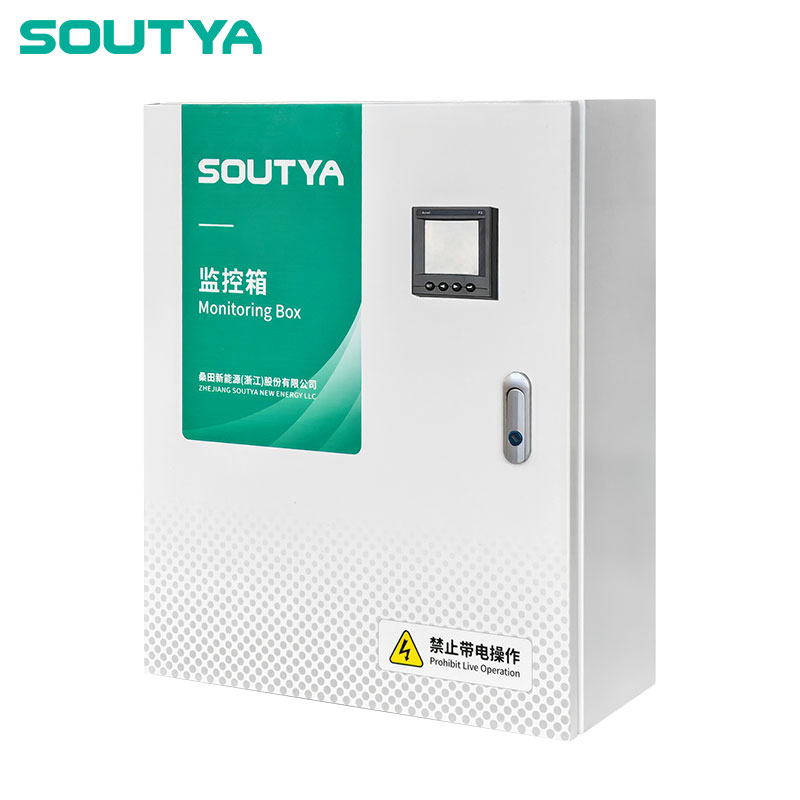
Modern photovoltaic installations operate under variable conditions—irradiance, temperature, shading, and component degradation—that can significantly affect energy yield. Without a dedicated monitoring solution, operators lack real-time visibility into string currents, voltage levels, and system health. A PV monitoring box bridges this gap by continuously collecting and transmitting performance data to a central platform. It enables early fault detection, reduces unplanned downtime, and supports data-driven maintenance decisions. For commercial and utility-scale projects, investing in a robust monitoring box is no longer optional; it is a prerequisite for maximizing return on assets.

What Are the Key Challenges in PV System Monitoring?

Many project owners face several common pain points when attempting to monitor their solar arrays. First, data accuracy suffers when sensors and communication modules are not integrated properly. Second, frequent communication dropouts can lead to data gaps, making performance analysis unreliable. Third, managing large fleets of inverters and string combiners without unified monitoring creates complexity and increases operational costs. Fourth, safety hazards such as arc faults or ground faults may go unnoticed without real-time alerting. Finally, complying with performance guarantees and reporting requirements becomes difficult without auditable historical data. These challenges highlight the need for a purpose-built monitoring box engineered for reliability and scalability.

How Does a PV Monitoring Box Solve These Challenges?

A quality PV monitoring box addresses each pain point directly. It collects high-accuracy measurements from current sensors, voltage sensors, and temperature probes, then transmits data via RS485, Ethernet, or wireless protocols to a cloud platform. Advanced models include onboard data logging to prevent loss during network outages. Real-time alarms notify operators of anomalies such as string underperformance, reverse current, or insulation faults. The box also supports remote firmware updates and integrates with popular SCADA or solar management systems. By centralizing data from multiple strings, it simplifies monitoring of large arrays and reduces the need for on-site inspections. The result is higher system uptime, faster troubleshooting, and better compliance with performance warranties.

What Technical Features Should Buyers Look For?

When selecting a PV monitoring box, key technical attributes include measurement accuracy (typically ±1% or better for current and voltage), number of channels (to match string count), and communication options (Modbus RTU/TCP, Wi-Fi, cellular). Environmental robustness matters: look for an IP65 or higher enclosure, wide temperature range (-20°C to +60°C), and surge protection for outdoor installations. Compatibility with common inverters and third-party platforms reduces integration headaches. Additionally, consider units that comply with industry standards such as IEC 61724 for performance monitoring and IEC 62548 for array safety. A supplier that offers a clear specification sheet and responsive technical support is preferable.

Frequently Asked Questions

Q: Is a PV monitoring box the same as a string combiner box?
A: Not exactly. A string combiner box aggregates string outputs and may include fuses or circuit breakers, but lacks advanced monitoring. A PV monitoring box adds data acquisition, logging, and communication capabilities. Some products combine both functions.

Q: How many strings can one monitoring box handle?
A: This depends on the model. Typical units support 4 to 16 channels, with higher channel counts for utility-scale applications. Always verify with the supplier.

Q: Can the monitoring box work with any inverter?
A: Most boxes support standard communication protocols like Modbus, allowing integration with many inverter brands. However, it is essential to confirm compatibility during the planning phase.

Q: What is the typical payback period?
A: While difficult to generalize, improved fault detection can reduce downtime by 20–30%, leading to increased energy yield. Many operators see a return within 1–2 years through avoided losses and optimized maintenance.

Q: How do I ensure data security with remote monitoring?
A: Look for boxes that support encrypted communication (TLS/SSL) and offer secure authentication. Network segmentation and regular firmware updates further enhance security.

Conclusion

Choosing the right PV monitoring box is critical for the long-term performance and reliability of any solar project. By addressing data accuracy, communication resilience, and safety, a well-designed monitoring box empowers operators to make informed decisions. Evaluate suppliers based on product features, compliance with industry standards (IEC 61724, IEC 62548), and after-sales support. A careful selection today ensures sustainable energy production and peace of mind for years to come.

For more details, visit Soutya Electric's PV Monitoring Box.

Related News
Leave me a message
X
We use cookies to offer you a better browsing experience, analyze site traffic and personalize content. By using this site, you agree to our use of cookies. Privacy Policy
Reject Accept