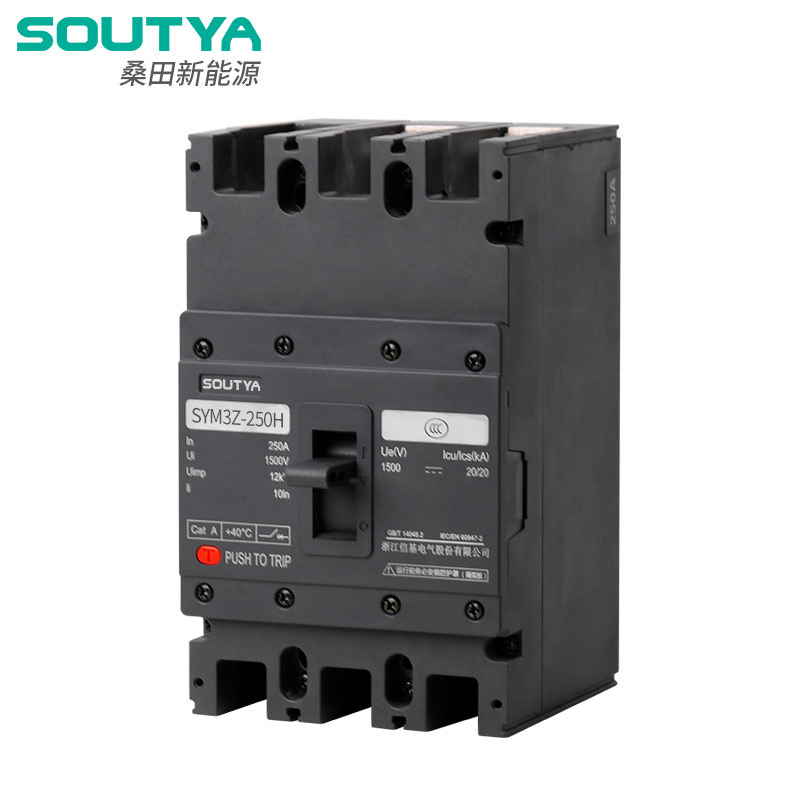
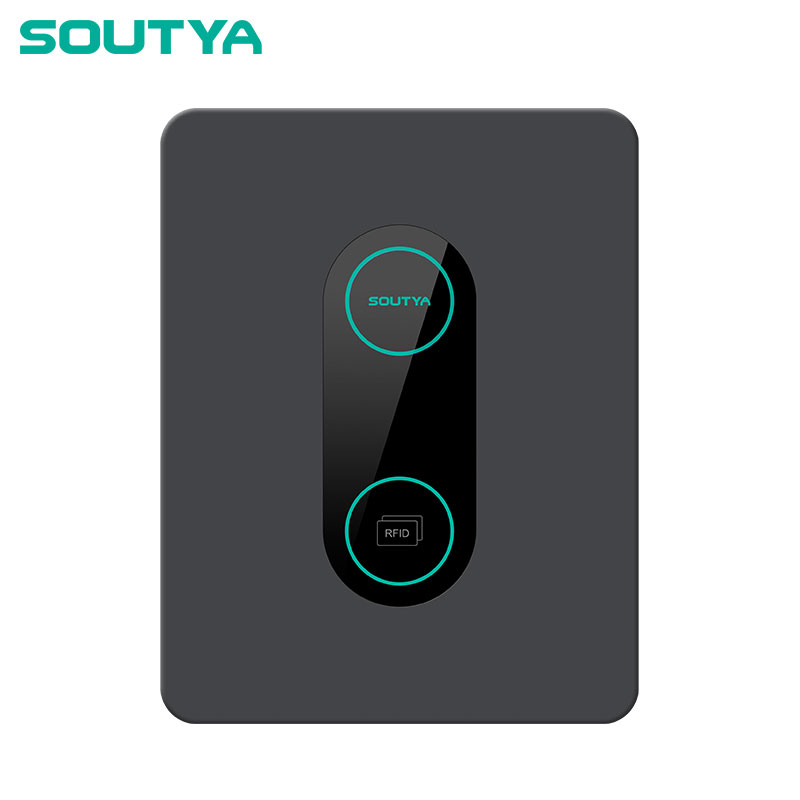
Solar photovoltaic systems are becoming more complex as project sizes grow. With multiple strings feeding into a single inverter, the need for reliable DC combining and arc fault protection has never been greater. The DC AFCI combiner box 12 in 1 out addresses these demands by integrating arc fault circuit interrupter (AFCI) technology with a high-capacity combiner box, offering a streamlined solution for commercial and industrial solar arrays.
DC arcing is a known hazard in photovoltaic installations. Unlike AC arcs, DC arcs do not have a natural zero-crossing, making them harder to extinguish. If undetected, a series or parallel arc can generate extreme heat, leading to fire. According to the National Electrical Code (NEC 2017 and later versions), arc fault protection is mandatory for many rooftop PV systems to mitigate this risk. A DC AFCI combiner box provides built-in arc fault detection and interruption, reducing the need for external devices and simplifying compliance.
Large solar arrays often consist of 12 or more strings. Without proper combining, wiring becomes messy, installation time increases, and troubleshooting is difficult. A 12 in 1 out combiner box consolidates multiple inputs into a single output, reducing cable runs and simplifying the connection to the inverter. Additionally, integrating AFCI within the same enclosure eliminates extra hardware, saves space, and lowers material costs. By combining string fusing, surge protection, and arc fault protection in one unit, it addresses both safety and efficiency pain points.
The device monitors current and voltage signatures from each string. Advanced algorithms distinguish between normal arcing (e.g., from switch operation) and dangerous arc faults. When a fault is detected, the AFCI mechanism rapidly opens the circuit, preventing escalation. The DC AFCI combiner box 12 in 1 out typically includes:
Compliance with industry standards is essential for safety and code acceptance. The following are relevant for DC AFCI combiner boxes:
When selecting a 12 in 1 out combiner box with AFCI, verify that it is listed or recognized under these standards to ensure reliability and code compliance.
Start by assessing the total number of strings, each string’s maximum short-circuit current, and the maximum system voltage. For a 12-input combiner box, ensure that the busbar and fuse ratings match or exceed the array specifications. Consider the following criteria:
Modern solar installations benefit from real-time data. Many DC AFCI combiner boxes offer optional communication interfaces (RS485, Wi-Fi, or cellular) to report string status, arc fault events, and system health. This allows operators to respond quickly to faults and optimize system performance. When choosing a combiner box, consider whether the monitoring platform aligns with your existing BMS or SCADA systems.
Regular inspection of the combiner box is recommended. Check for signs of overheating, loose connections, or insect ingress. Test the AFCI self-check feature if available. Surge protective devices have a limited lifespan and should be replaced after a significant surge event or per manufacturer guidelines. Training for maintenance staff on arc fault troubleshooting is beneficial.
Q: Is a DC AFCI combiner box required by code?
A: NEC 690.11 requires arc fault detection for rooftop PV systems on dwellings. For other buildings, local codes may vary. However, using a DC AFCI combiner box is a proactive safety measure.
Q: Can I use a standard combiner box and add external AFCI?
A: Yes, but an integrated AFCI combiner box reduces wiring complexity and enclosure costs. External AFCI modules may require additional space and wiring.
Q: What is the difference between series and parallel arc faults?
A: Series arcs occur when a conductor breaks; they are low-current and harder to detect. Parallel arcs involve short circuits between conductors and produce higher currents. Both types must be detected by the AFCI.
Q: How do I wire a 12-in-1-out combiner box?
A: Connect each positive string lead to an input fuse terminal, then to the positive busbar. Negative strings connect to the negative busbar. The output feeds the inverter. Follow manufacturer instructions and local codes for grounding.
The DC AFCI combiner box 12 in 1 out is an essential component for modern solar installations that value safety, efficiency, and code compliance. By integrating arc fault protection with high-capacity string combining, it streamlines installation and enhances system reliability. When selecting a unit, prioritize compliance with UL 1699B and other relevant standards, and consider monitoring capabilities for proactive maintenance. To explore a reliable DC AFCI combiner box for your project, visit Soutyaele's product page.

Jack
Soutya