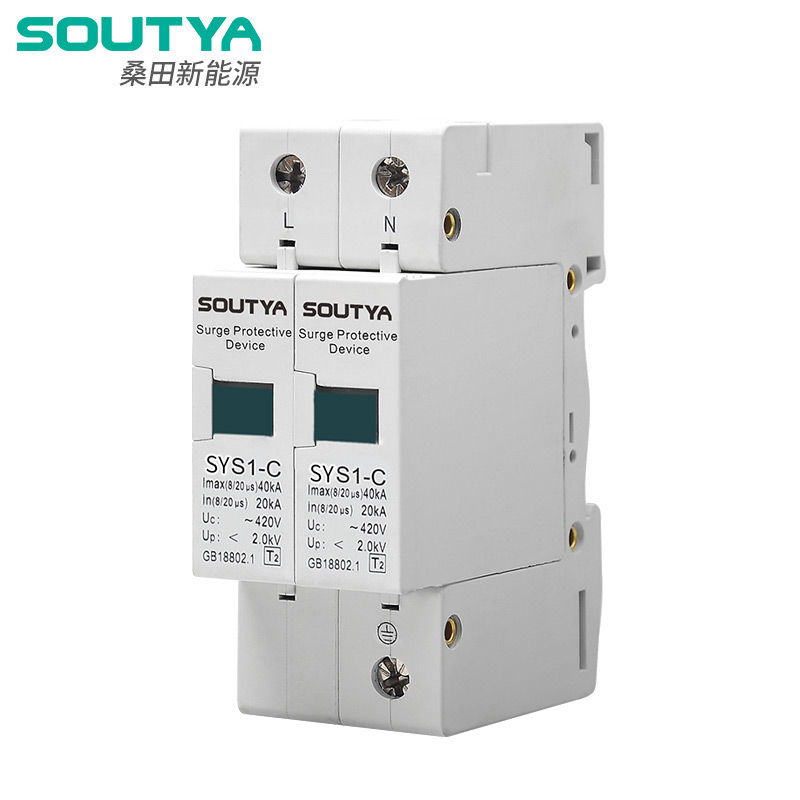
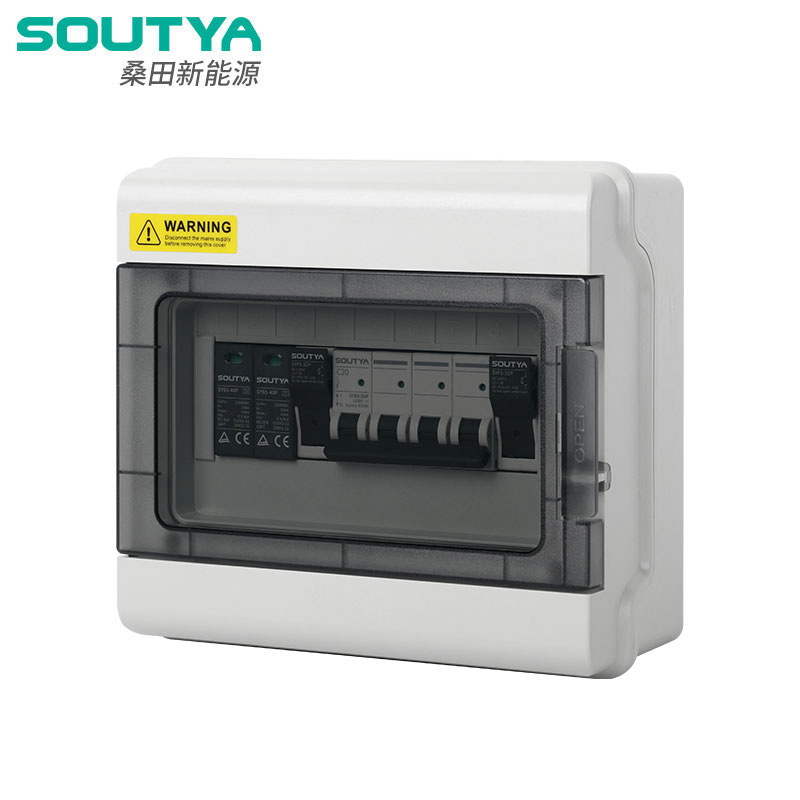
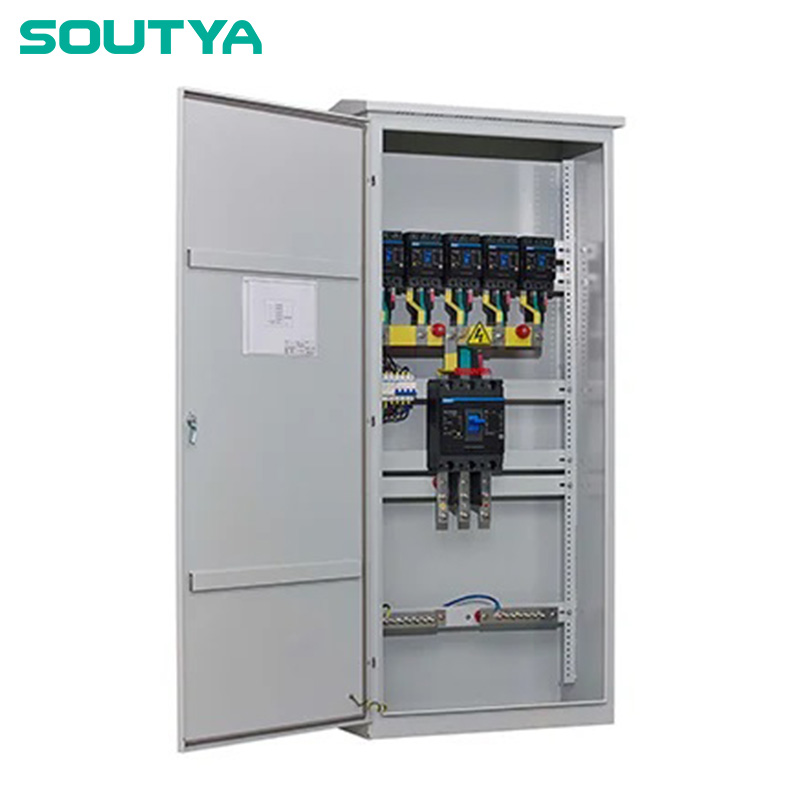
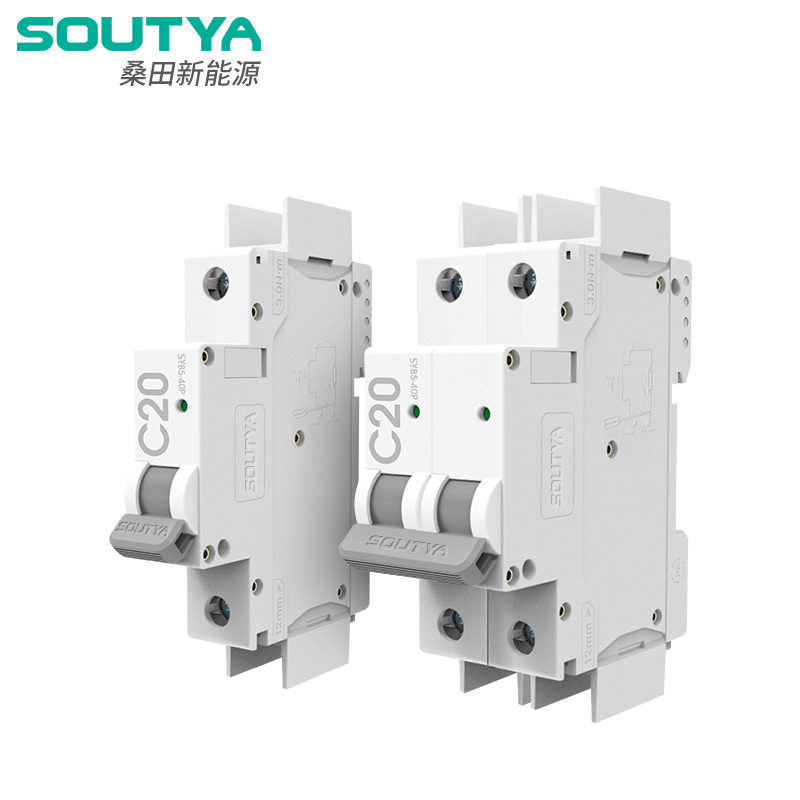
A mid-sized solar power plant in California, operating 50 MW of photovoltaic capacity, faced persistent failures in its DC distribution systems. The plant's electrical infrastructure relied on traditional fuses and older thermal-magnetic circuit breakers for overcurrent protection on the DC side. With over 200 string combiners and multiple combiner boxes, the facility required reliable DC protection to maintain uptime and meet power purchase agreements.
The plant experienced an average of 12 unscheduled shutdowns per quarter due to blown fuses and nuisance tripping of conventional DC breakers. Each shutdown required a crew of two technicians to locate and replace the failed component— taking 45 minutes per fault. The cumulative downtime cost the plant $18,000 per quarter in lost revenue and labor., the fuse-based system offered no visual indication of failure, delaying detection until the next monitoring cycle.
Arc-flash risks were another concern. The existing breakers lacked sufficient interrupting capacity for high-voltage DC strings (up to 1000 Vdc), causing occasional arc events that damaged terminals and required costly repairs. The plant's safety officer flagged this as a critical gap in the electrical safety program.
After evaluating several options, including electronic trip units and upgraded fuse holders, the plant's engineering team selected Soutya's DC Molded Case Circuit Breakers for their proven performance in utility-scale solar applications. Key factors in the decision:
The team conducted a pilot test on two combiners before full-scale deployment. The Soutya breakers eliminated all nuisance trips during the 2-month trial while the existing fuse blocks on parallel strings continued to blow.
The retrofit project spanned 3 weeks and covered 48 combiner boxes across three inverter blocks. The implementation steps:
A key challenge was coordinating the breaker settings with the inverter's DC disconnect requirements. Several strings had unusually high inrush current during morning startups, causing the breakers to trip immediately. The solution was to set the magnetic trip threshold 30% above the measured inrush peak, which required on-site measurement tools. Once adjusted, no further nuisance trips occurred.
After 6 months of operation with Soutya DC MCCBs:
The overall plant availability improved from 98.2% to 99.4%, increasing annual energy production by 580 MWh—worth over $58,000 at the PPA rate.
"The Soutya breakers brought a level of reliability we didn't think was possible on the DC side. We used to dread the summer heat because that's when all the old breakers would trip. Now we walk through the combiner boxes and see green indicators everywhere. The payback period on this retrofit was under 8 months." – Plant Operations Manager
For other solar plant operators considering a similar upgrade:
This project demonstrates that upgrading to modern DC molded case circuit breakers from Soutya can yield rapid ROI while improving safety and operational efficiency.
1. UL 489 Ed. 14-2025 – Molded-Case Circuit Breakers, Molded-Case Switches and Circuit-Breaker Enclosures. ANSI Webstore.
2. UL 1699B:2018 – Photovoltaic (PV) DC Arc-Fault Circuit Protection. Shop UL Standards.


Jack
Soutya