News

What's the Difference Between AC Isolator Switch and External DC Isolator Switch?

2026-01-21 0 Leave me a message

You may have heard that AC Isolator Switch and external DC Isolator Switch can ensure the safety of electrical settings, but their functions are different.


In this article, we will use three simple points to explain their key differences.


1. They Work With Different Types of Current


The obvious difference is the type of electrical current each switch handles.


AC isolator switches are made for alternating current (AC). AC power is what comes from the grid, wall outlets, or most generators. It’s used to run home appliances, office equipment, and industrial machines.


External DC disconnectors are used for direct current (DC). DC power can come from solar panels, batteries, etc. Soutya's external DC disconnector is a good example, which is used in the DC circuit of solar photovoltaic system, battery storage and electric vehicle charging device.


The difference in current type means that the two switches cannot be interchanged. Interchangeability will immediately damage electrical equipment.


2. They’re Used in Different Scenarios and Environments


AC disconnectors are mainly used indoors. You can see them in electrical panels, walls, or AC powered equipment systems such as air conditioners or motors. The main function of AC disconnectors is to safely disconnect these devices from the power grid so that workers can repair or maintain them.They don’t need strong protection against weather because they’re inside.


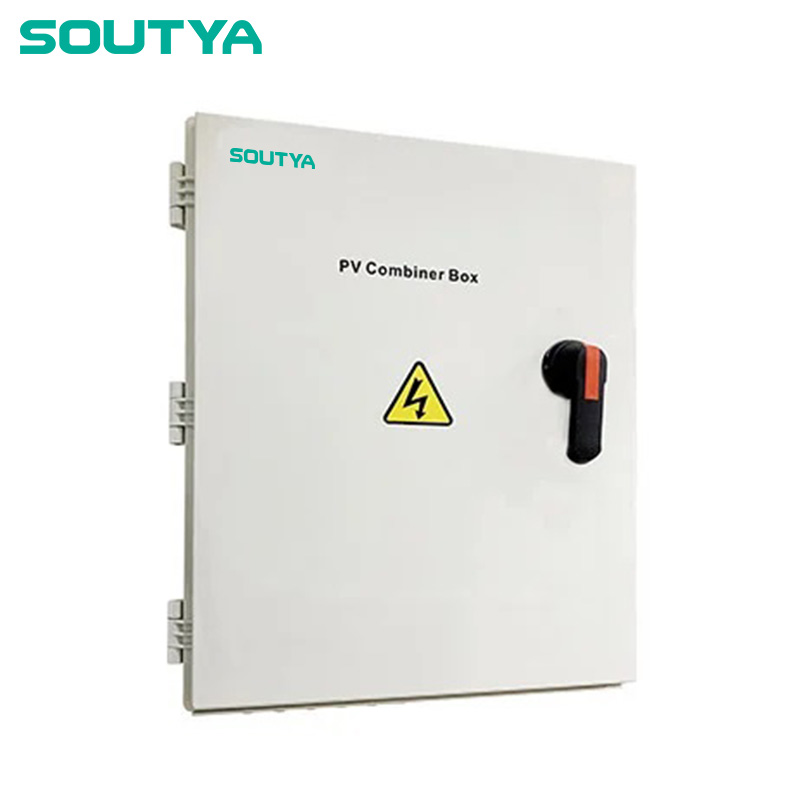
External DC isolator switches are made for outdoor or external use. They are generally installed in solar photovoltaic systems, and they are usually installed near solar panels, combiner boxes or inverters. They need to withstand harsh outdoor environments such as rain, dust, extreme heat and cold. Soutya's switch has IP66 protection level, which means that it has strong waterproof and dust-proof ability, and is very suitable for protection in outdoor environment.


These switches also serve different safety needs. External DC isolator switches create a visible, lockable break in the circuit. This lets technicians shut down the DC side of a solar system without turning off the whole setup, making maintenance safer.


3. They Have Different Design Requirements for Safety


AC and DC currents behave differently, so the switches need different safety features—especially when it comes to handling electric arcs (sparks that form when a circuit is disconnected).


AC current naturally “zeros out” 50 to 60 times per second. This makes it easier to stop electric arcs, so AC isolator switches don’t need extra-strong arc suppression.


DC current flows steadily and never zeros out on its own. Electric arcs from DC circuits are harder to extinguish and can be dangerous if not controlled. That’s why external DC isolator switches have special design features for arc suppression. Soutya’s switch, for example, has double-break rotating contacts and an 8 mm contact gap to quickly put out arcs—meeting global standards like IEC 60947 and NEC 690.35.


The rated operating voltage is also different. AC disconnectors usually work in the voltage environment from low voltage 230V to medium voltage 400V. External DC disconnectors usually operate at higher voltages such as 1000V or 1500V, which are common in solar energy systems. It is unsafe to use AC switch in high-voltage DC circuit and may cause equipment failure.


Final thoughts


AC isolator switch and external DC isolator switch play an important role in circuit protection, but they cannot be interchanged. How to select the correct isolator switch depends on your current circuit type, installation environment and safety requirements.


If you are setting up a solar photovoltaic system, battery storage or any outdoor DC setting, you must install an external DC disconnector like Soutya. It can safely handle and protect DC power supply, and can stand the test of outdoor conditions. If you have any questions, please feel free to ask us.


Related News
Leave me a message
X
We use cookies to offer you a better browsing experience, analyze site traffic and personalize content. By using this site, you agree to our use of cookies. Privacy Policy
Reject Accept